




18th Century Staffordshire
These pieces of 18th century staffordshire combine small domestic pottery and enamel work with crisp Georgian character, offering a direct tactile link to eighteenth-century daily life.
18th Century Staffordshire
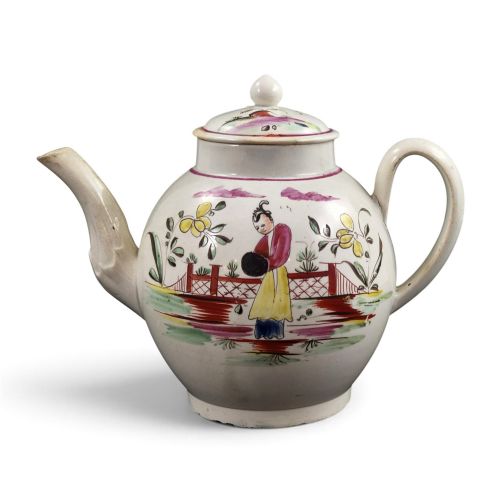
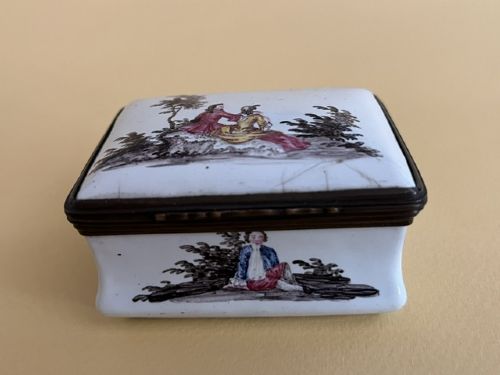
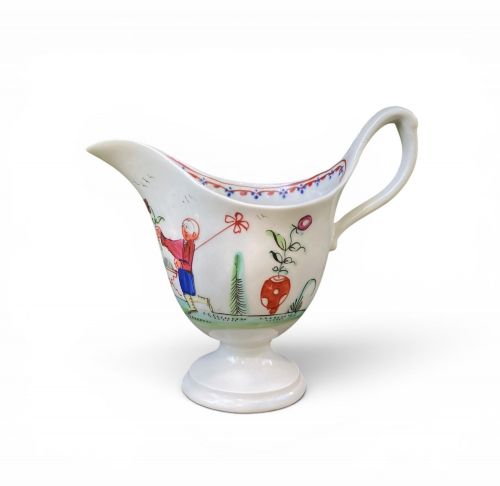
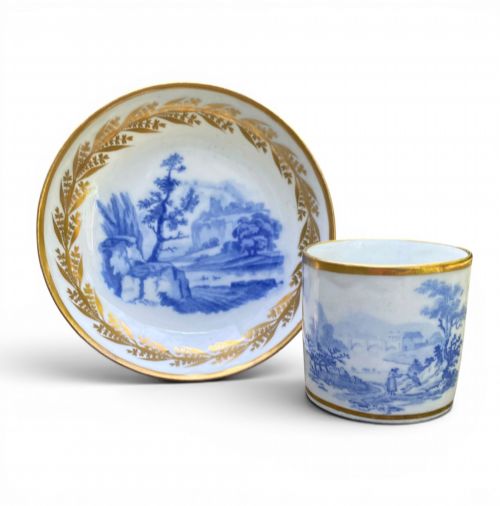
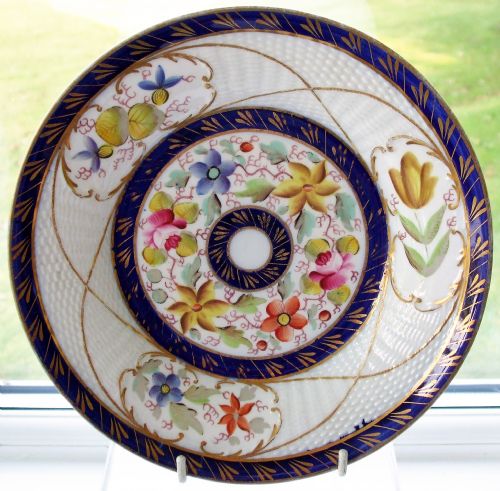
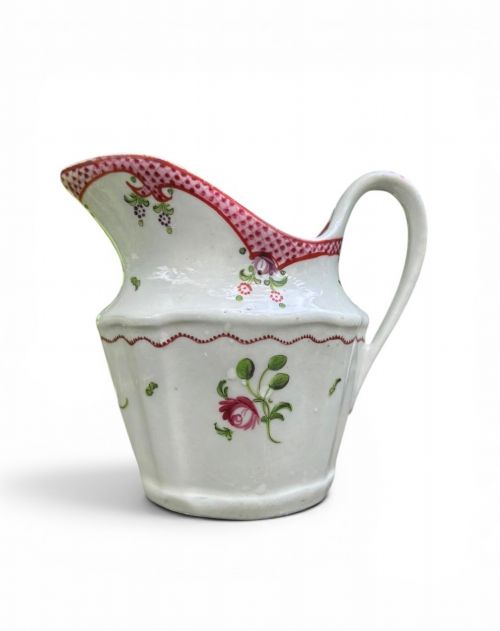
Searching for 18th century staffordshire brings up a diverse mixture of domestic pottery and small enamel containers. Buyers will encounter useful ceramic tableware such as teapots, chargers, jugs, and cups alongside diminutive brass, copper, and enamel patch boxes or snuff boxes.
The objects most frequently met on this page span creamware, pearlware, and enamel works produced across the Georgian era. Form follows function closely, resulting in items designed for tea service, personal grooming, and decorative display.
The selection also includes sculptural figures and wall plaques that showcase the expressive modelling typical of eighteenth-century potteries. These pieces range from utilitarian kitchenware to highly ornate, hand-painted boxes made for the pocket.
Materials and construction
Pottery items rely on earthenware, creamware, and pearlware bodies shaped by hand or moulded with cabbage leaf and classical motifs. These ceramic pieces frequently employ lead glazing and hand-painted blue and white or polychrome decoration.
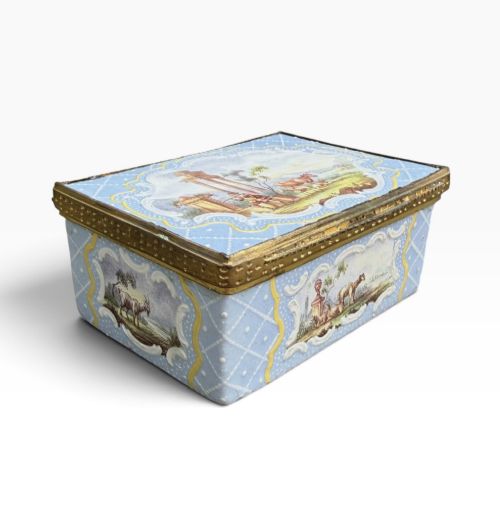
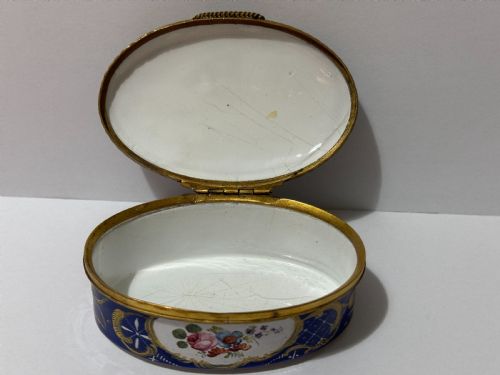
Enamel items utilise copper bases coated in opaque white or coloured enamel, often finished with gilt metal mounts and detailed hand-painted scenes on lids and plaques. Makers applied mineral pigments directly onto the fused enamel surface before a final firing.
Listings feature creamware, pearlware, and enamel across utilitarian and decorative forms.
Assessing quality
Quality rests upon the crispness of the modelling and the precision of the hand-painted details. Finer enamel boxes display micro-painting with sharp lines and well-composed parkland or figurative scenes, whereas simpler pieces show broader, less defined brushwork.
In ceramic forms, quality reveals itself in the evenness of the glaze, the delicacy of moulded relief work like cabbage leaf designs, and the balance of the overall shape. Superior figures and teapots maintain clean proportions without sagging or heavy glaze pooling.
New Hall porcelain·Ralph Wood·Thomas Wolfe·Enoch Wood & Sons·Lakin & Poole
The 18th Century Staffordshire Glossary
- Creamware
- A refined earthenware with a pale yellowish straw-coloured lead glaze developed in the eighteenth century. It served as a lighter, more delicate alternative to heavier salt-glazed stonewares.
- Pearlware
- An improved earthenware introduced late in the eighteenth century featuring a bluish-tinted glaze that pooled slightly blue in recesses. This subtle tint made the underlying ceramic body appear whiter to mimic porcelain.
- Patch box
- A small, pocket-sized container fitted with a mirror inside the lid, originally used to hold small decorative cloth patches worn on the face. These enamel and copper boxes were immensely popular for personal grooming.
- Enamel
- A durable vitreous substance fused to a metal base, usually copper, through high-temperature firing. It provided a smooth, glossy canvas for miniature hand-painted landscapes, portraits, and inscriptions.
- Charger
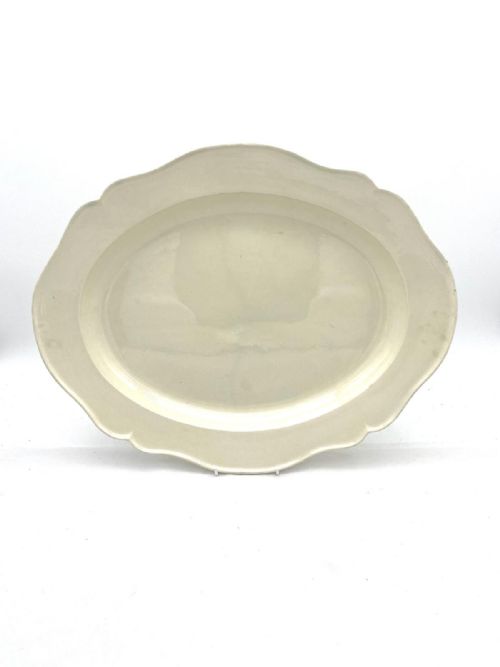
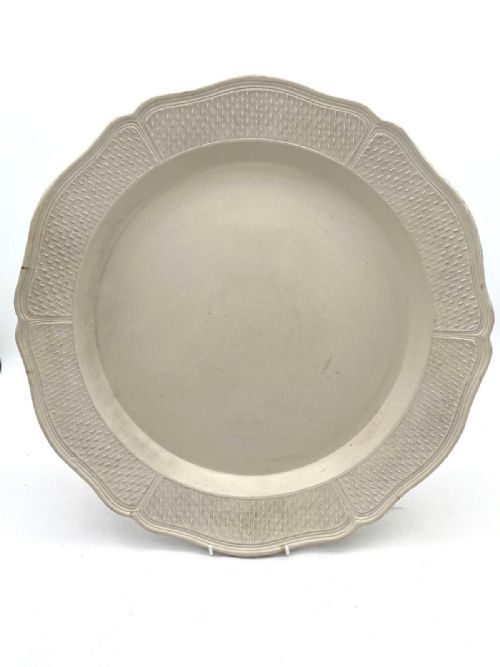
- A large decorative or ceremonial dish intended primarily for display on a wall or sideboard rather than daily dining. These substantial ceramic platters often feature bright hand-painted patterns or moulded rims.
18th Century Staffordshire: Frequently Asked Questions
What were small enamel patch boxes used for?
These miniature boxes served fashionable men and women as portable containers for small silk or velvet face patches. Owners applied these cosmetic spots to conceal blemishes or display witty shapes.
Inside the hinged lid, makers typically fitted a small mirror for quick adjustments while away from the dressing table. They also functioned as general trinket or pill boxes given as tokens of esteem.
How do I distinguish creamware from pearlware?
Creamware displays a warm, pale yellow or ivory tone imparted by its transparent lead glaze. It represents the standard earthenware palette of the mid-to-late eighteenth century.
Pearlware incorporates a small amount of cobalt in the glaze to create a faint bluish tinge, particularly where the liquid pooled around handles and moulded details. This composition was formulated to mimic the whiteness of imported porcelain.
Were these ceramic teapots used daily?
Many teapots and jugs saw active service in eighteenth-century households during the rising popularity of tea drinking. Their durable earthenware and creamware bodies handled daily boiling water and frequent washing.
Over time, handling left characteristic signs of use on the spouts and rims, though surviving examples often spent periods displayed on sideboards or stored safely.
How can I tell south staffordshire enamels apart?
South Staffordshire enamels are identified by their copper foundations, smooth enamel coatings, and distinctive hinge constructions. Bilston served as a primary production hub within this broader regional craft.
Decorations on these pieces range from floral sprays to topographical views and figural scenes painted in vibrant enamel colours. Gilt metal mounts frequently secure the edges of the box and lid.