



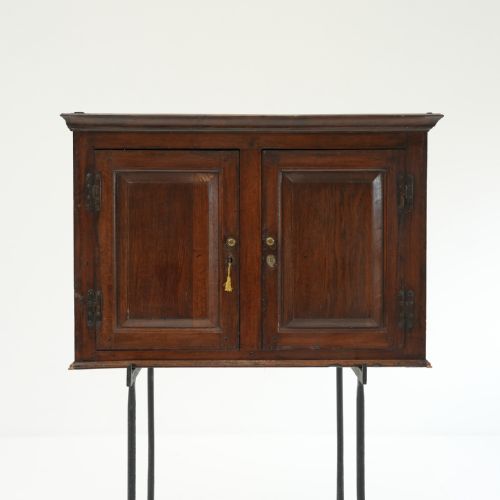


18th Century Spice Box
An 18th century spice box is a small timber cabinet or container designed to hold precious household aromatics and seasonings.
18th Century Spice Box
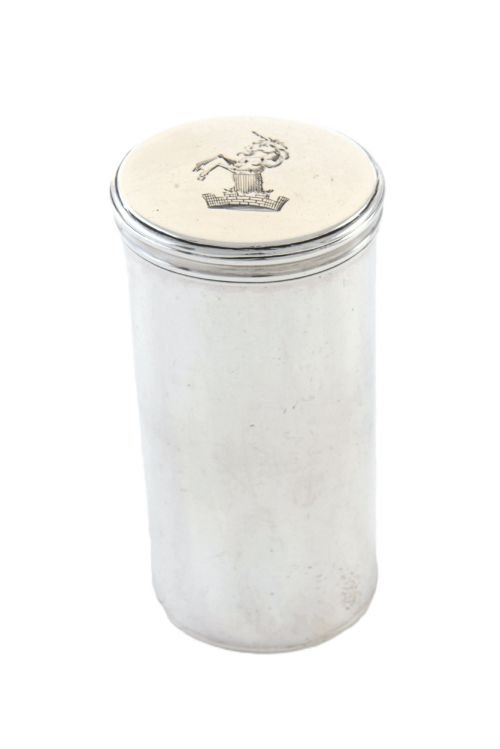
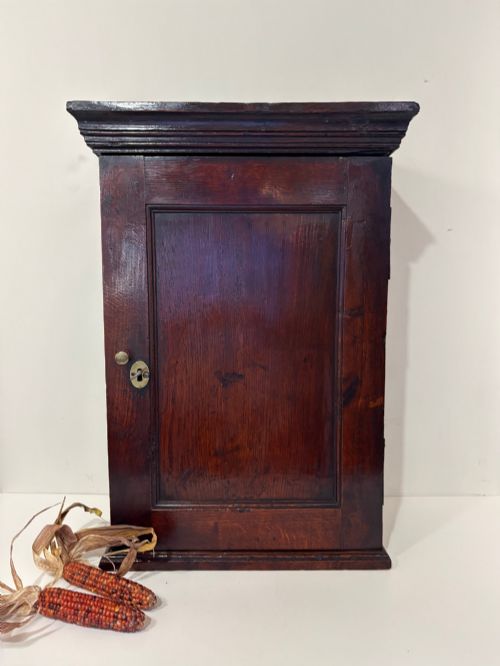
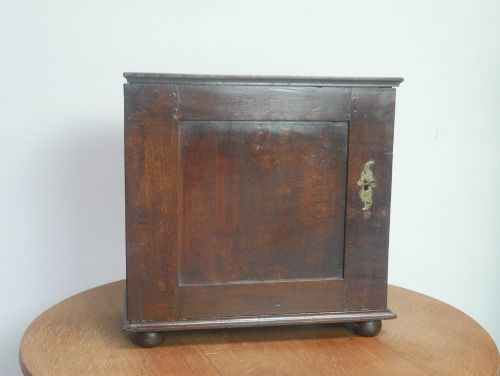
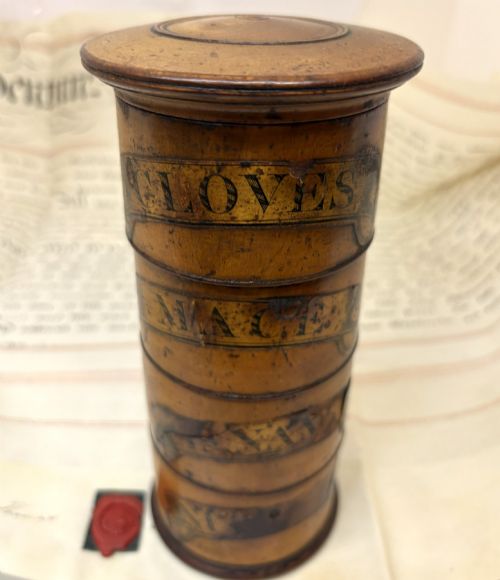
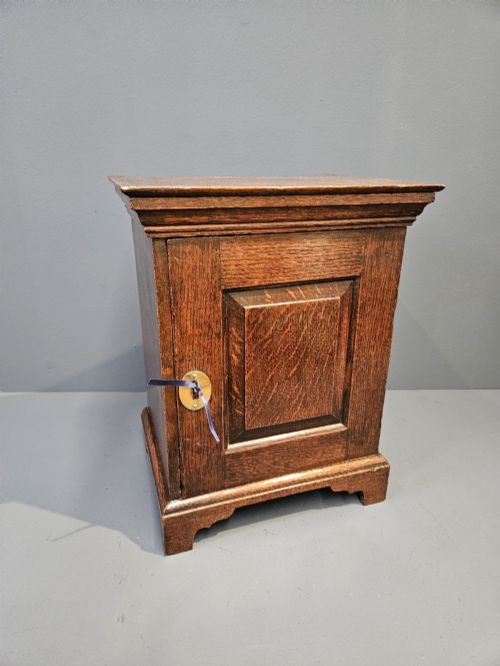
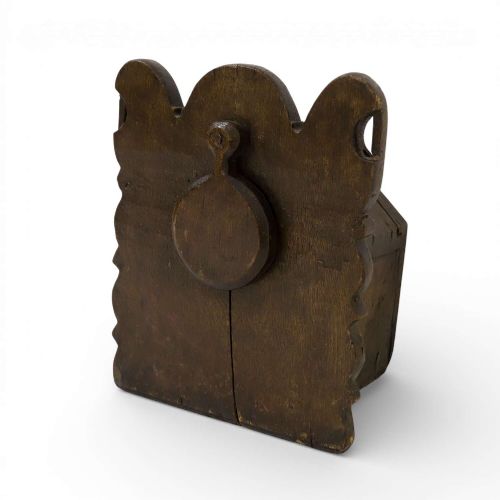
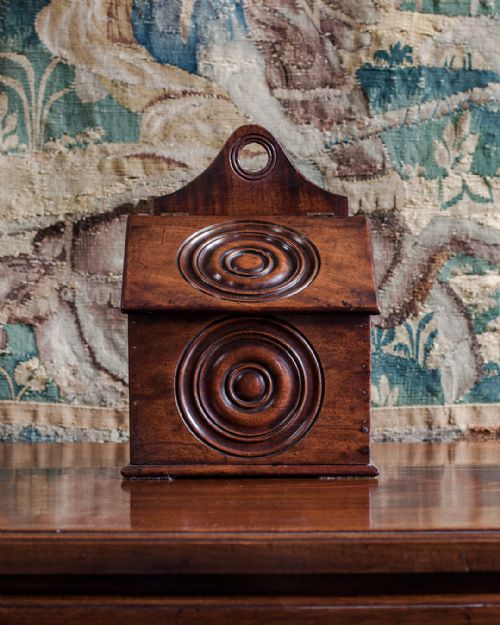
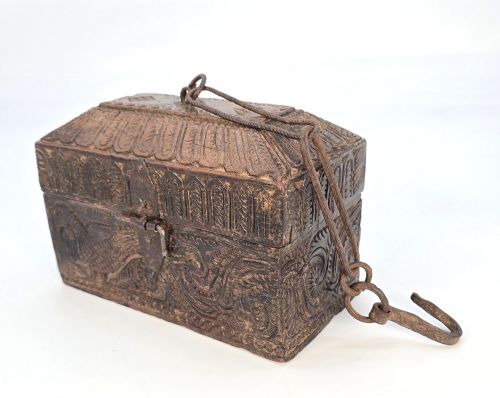
When you search for an 18th century spice box, you encounter a specialised group of small storage vessels built to safeguard valuable seasonings in domestic kitchens and parlours. The pieces on this page appear predominantly as oak wall cabinets and hanging cupboards, alongside smaller treen containers and silver nutmeg graters.
The dominant material in these listings is oak, often associated with regional vernacular workshops in England and Wales. Alongside these domestic timbers, you find examples fashioned from mahogany, fruitwood, boxwood, walnut, and teak, reflecting both British tradition and wider trade connections.
Materials and methods
Cabinetmakers constructed these pieces primarily from solid timbers like oak and mahogany, joining panels with traditional pegged or dovetailed joints to withstand kitchen environments. Iron and brass hardware, including hinges, latches, and escutcheons, provide both structural support and functional security.
18th Century Spice Box Retail Price Guide 2026
Typical asking prices for 18th century spice box among the pieces listed under this phrase on Sellingantiques today, from the lower quarter to the upper quarter. They describe what is for sale here now, not the wider market.
Listings feature oak as the primary timber for wall cabinets, alongside mahogany, walnut, and teak.
Distinctions in quality
Quality in these pieces rests upon the crispness of the cabinetwork and the survival of original structural elements such as brass hinges and iron hardware. Finer examples display careful proportions, well-fitted internal drawers, and patination earned through centuries of handling.
Silver grater variants are judged by the clarity of their hallmarks, the precision of the pierced metalwork, and whether whimsical forms, such as acorns, retain their original definition. Later alterations or replaced hardware lower the integrity of a piece.
Daniel Field
The 18th Century Spice Box Glossary
- Treen
- Small wooden household objects made by turning or carving. These items range from pocket spice towers to small domestic containers.
- Nutmeg grater
- A pocket-sized container housing a metal rasp and a storage space for whole spices. They are frequently fashioned from sterling silver or turned boxwood.
- Wall cabinet
- A small storage cupboard designed to be hung securely above a work surface or desk. Many surviving examples feature internal small drawers.
- Toleware
- Metalware painted and japanned to simulate lacquer or decorated surfaces. This technique appears on specific tin or iron containers.
- Vernacular
- Objects made by regional craftsmen following local traditions rather than metropolitan high styles. Welsh and English country oak pieces exemplify this approach.
18th Century Spice Box: Frequently Asked Questions
How were spice boxes used?
Households used them to store expensive imported aromatics like nutmeg, cloves, and cinnamon under lock and key. The small internal compartments kept distinct flavours from mingling.
Kitchen staff and homeowners accessed them daily when preparing spiced dishes and drinks in the parlour or kitchen.
Where should I hang a wall cabinet?
They suit kitchen spaces, dining rooms, or hallways where their compact proportions can be appreciated at eye level. Ensure the wall structure can support the weight of solid oak.
Keep them away from direct heat sources and strong moisture fluctuations to protect the aged timber and iron hardware.
How do I distinguish regional styles?
Welsh vernacular pieces often display distinctive local moulding profiles and construction habits in native oak. English examples from the same decades follow prevailing Georgian or earlier country tastes.
Examining the hinges, timber choice, and secondary woods helps separate regional workshops from one another.