



Antique Herb Cabinet
An antique herb cabinet brings functional medicinal and culinary storage into the modern interior through a multitude of small drawers.
Antique Herb Cabinet
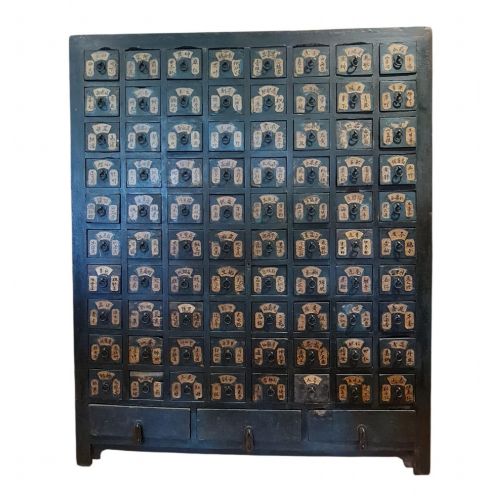
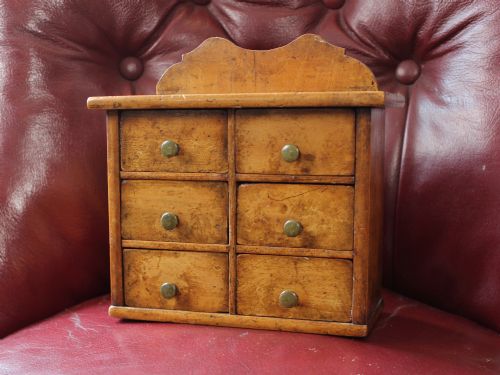
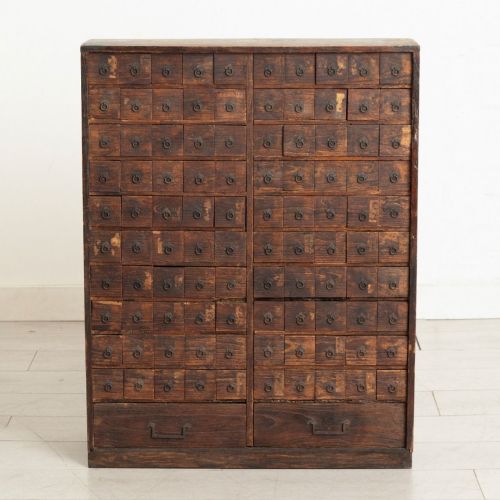
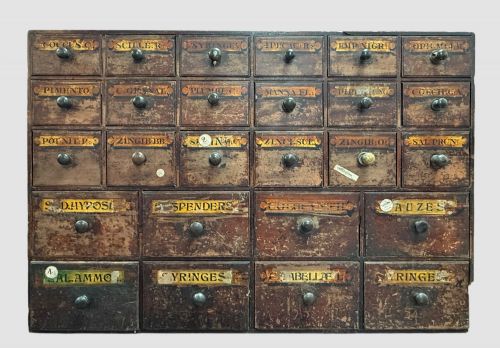
An antique herb cabinet gathers items originally designed for pharmacies, kitchens, and domestic storage into compact forms featuring numerous small compartments. Buyers seeking an antique herb cabinet frequently encounter apothecary chests, spice drawers, and banks of drawers dating from the eighteenth century onwards.
The material and geographic variety spans English oak and pine wall-hanging spice boxes, French and English fruitwood examples, and substantial Chinese elm medicine cabinets from Shanxi Province. Alongside these regional European and Asian pieces, Victorian country workshops and Japanese Meiji period makers produced specialised storage units utilising brass, iron, and lacquer.
Domestic iterations range from wall-hanging spice cupboards to small boxes and double chemist drawers, while larger institutional pharmacy storage takes the form of banks of drawers. This diversity reflects centuries of botanical and culinary preparation, where dried roots, powders, and herbs required systematic sorting.
How they were made
Cabinetmakers constructed these pieces primarily using solid timbers such as mahogany, oak, pine, walnut, and elm, selecting each wood for structural durability and grain pattern. Secondary woods often reinforced internal drawer dividers, while brass and iron hardware provided functional pulls and hinges for frequent access.
Surface treatments varied from natural waxed fruitwood and polished mahogany to applied paint, indigo finishes, and oriental lacquer. Joinery techniques accommodated dozens of miniature drawers, requiring precise carpentry to ensure smooth operation across multi-drawer banks and wall-hanging spice boxes.
Antique Herb Cabinet Retail Price Guide 2026
Typical asking prices for herb cabinet among the pieces listed under this phrase on Sellingantiques today, from the lower quarter to the upper quarter. They describe what is for sale here now, not the wider market.
The archive records nineteenth-century kitchen herb cabinets alongside estate desks fitted with bookcases.
What varies in quality
Quality rests upon the integrity of the original cabinetry, the survival of fitted hardware, and the complexity of the internal configuration. Cabinets featuring numerous drawers, such as eighty-drawer medicine chests, demand exceptional joinery skill to maintain alignment across every compartment.
The choice of primary timber and surface finish also distinguishes standard utility pieces from finer examples. Decorated eighteenth-century English spice cupboards or intricately constructed Asian apothecary cabinets demonstrate superior regional craftsmanship compared to utilitarian workshop boxes.
The Antique Herb Cabinet Glossary
- Apothecary chest
- A multi-drawer cabinet originally used by practitioners of medicine to store herbs, minerals, and compounds. These pieces typically feature numerous small compartments for organised botanical storage.
- Bank of drawers
- A chest or housing unit containing a large array of shallow drawers arranged in multiple columns and rows. This format maximises storage capacity for small items.
- Spice cabinet
- A small wall-hanging or table-top wooden cupboard designed for domestic culinary storage. They often include an arrangement of interior drawers behind a single panel door.
- Homeopathic chest
- A portable or stationary box fitted for housing medicinal remedies. These containers frequently utilise brass hardware and fine hardwoods.
Antique Herb Cabinet: Frequently Asked Questions
What is an antique herb cabinet?
An antique herb cabinet is a specialised piece of storage furniture designed to hold botanical ingredients, medicines, or culinary spices. These units typically feature multiple small drawers or compartments.
Origins span domestic English country workshops to Asian medicine halls, utilising woods like pine, oak, elm, and fruitwood across the eighteenth and nineteenth centuries.
How were spice boxes used?
Spice boxes and small wall-hanging cupboards kept valuable culinary and medicinal ingredients secure and organised in domestic kitchens. The numerous small drawers prevented cross-contamination of potent aromas.
Households stored dried roots, seeds, and powdered herbs within easy reach of the hearth or preparation table.
How do I date an apothecary chest?
Dating relies on examining the timber species, construction joinery, and the style of the hardware such as brass pulls or iron hinges. Eighteenth-century examples often feature decorated panel doors, while nineteenth-century pieces lean towards banks of drawers.
Regional characteristics, such as Shanxi Province Chinese elm construction or Victorian English pine, also point to specific eras.
Where should I place a spice cabinet?
Wall-hanging spice boxes suit kitchen or dining areas where their compact proportions utilise vertical wall space effectively. Freestanding apothecary chests work well on sideboards or desks to display collections.
Keeping them away from direct heat sources protects the antique wood and traditional finishes.