

18th Century Snap Table
An 18th century snap table delivers clever space-saving engineering alongside the rich warmth of period timbers.
18th Century Snap Table
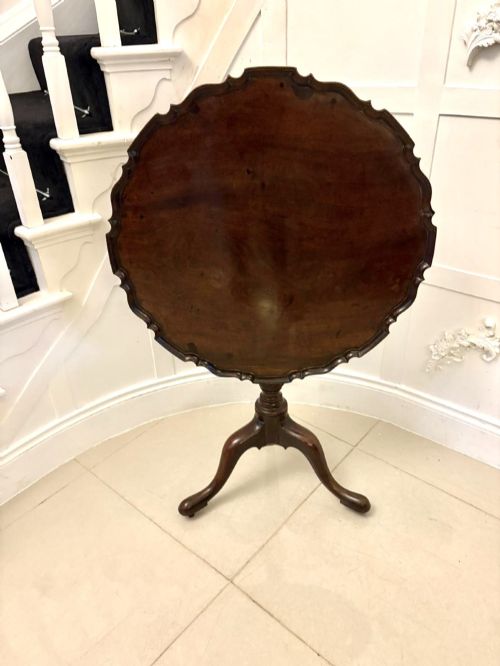
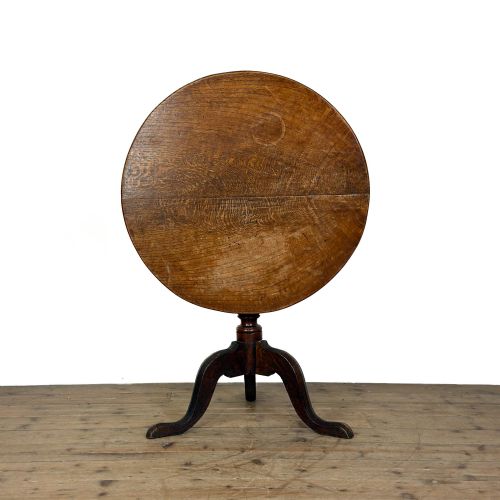
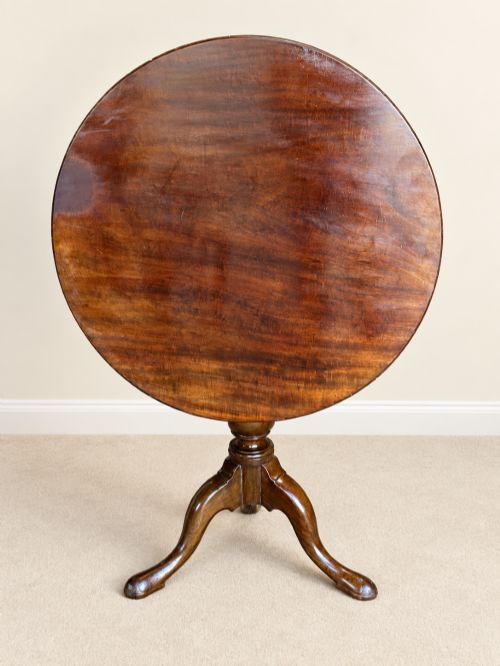
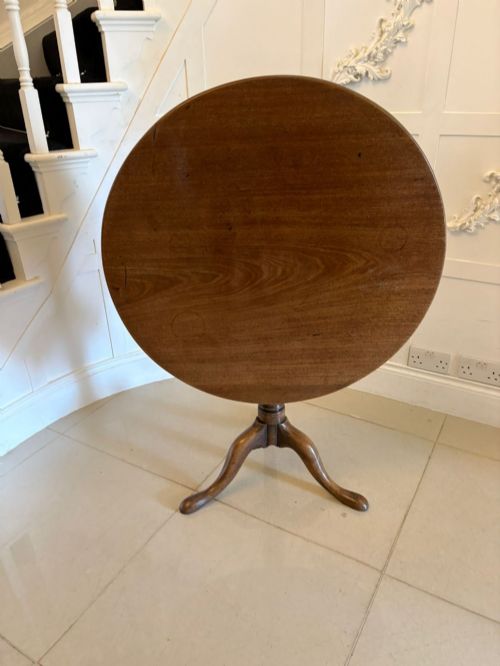
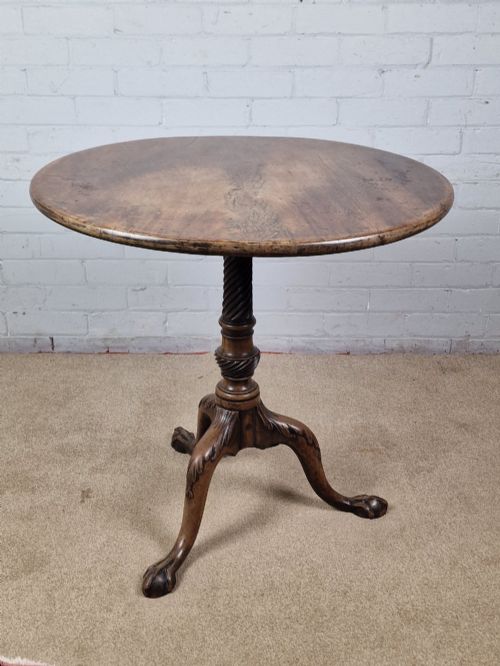
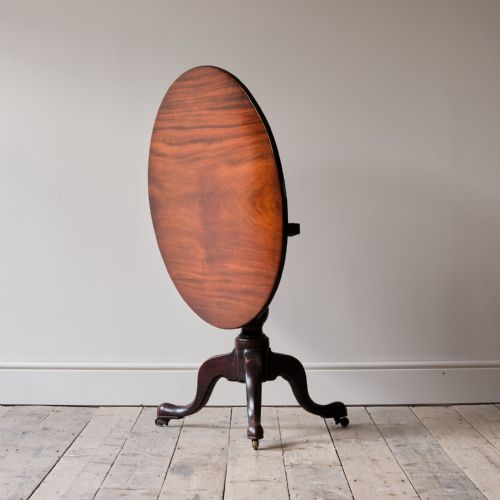
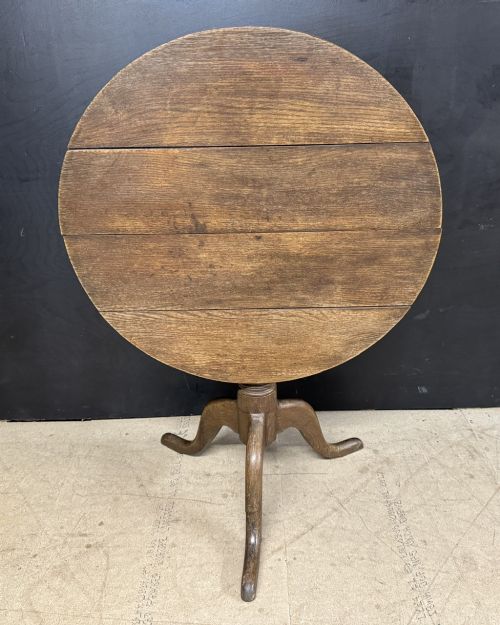
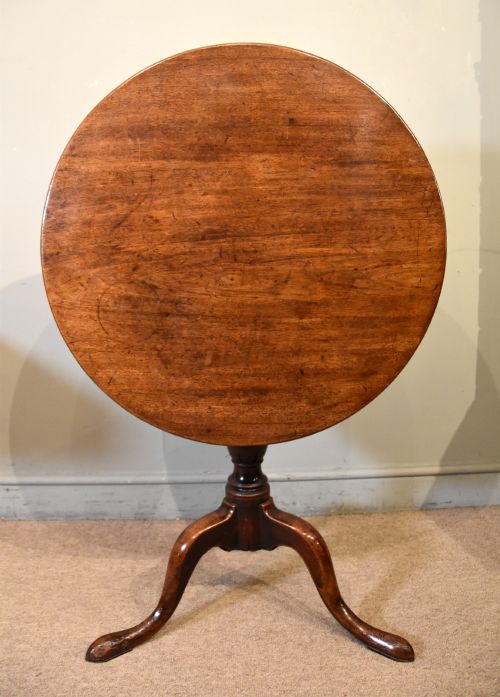
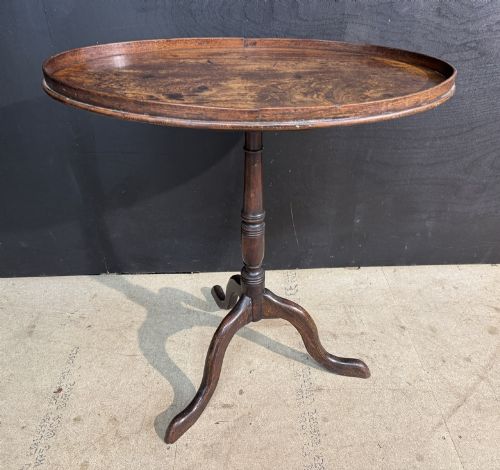
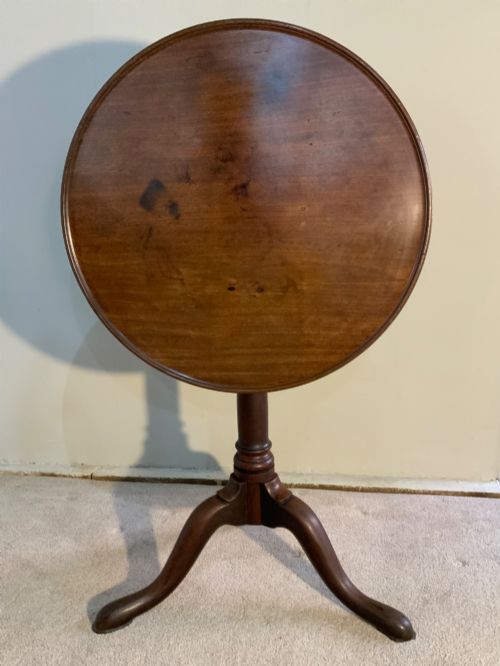
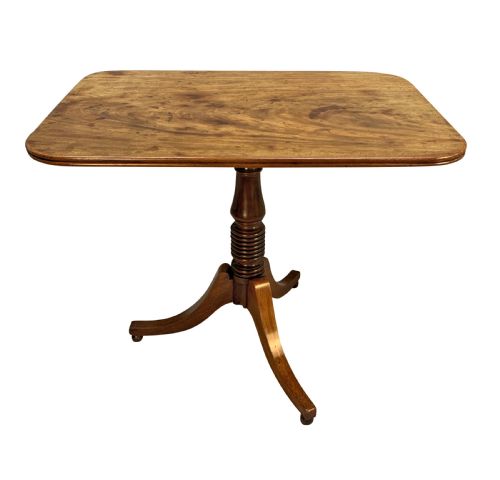
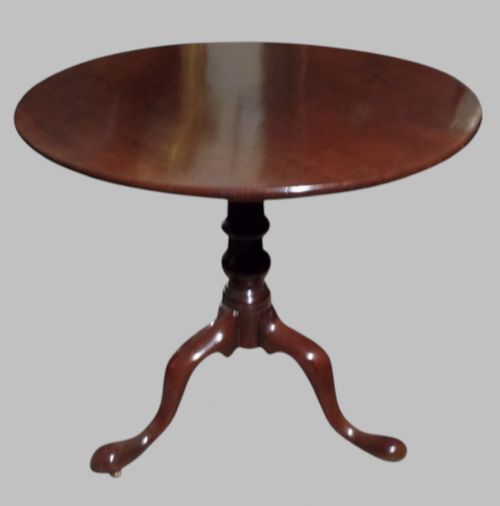
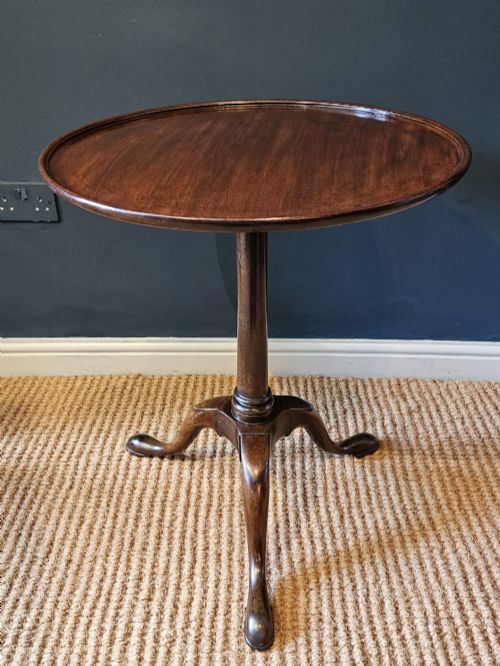
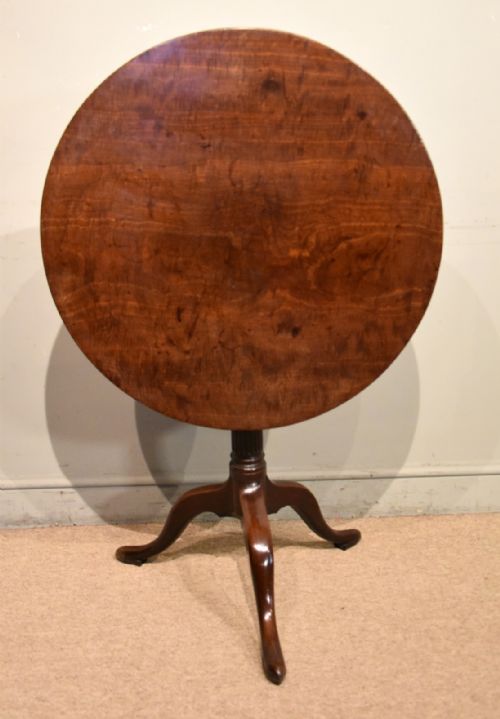
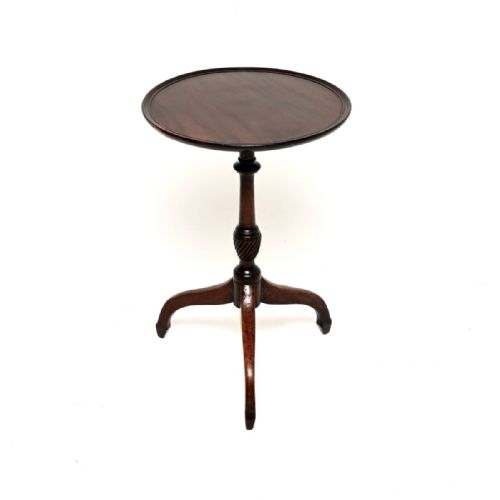
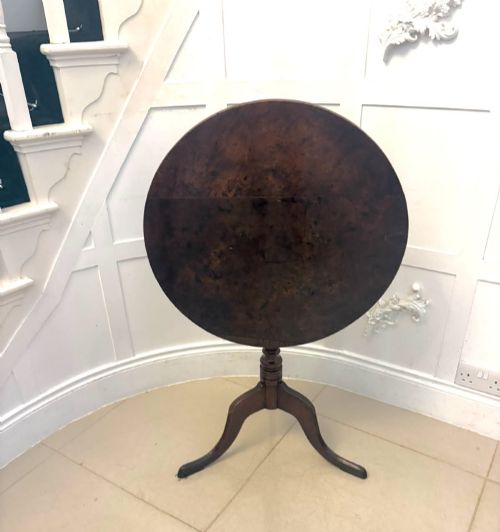
An 18th century snap table is a versatile surface featuring a hinged top that pivots into a vertical position when not in use. These pieces appear frequently as tripod wine tables, occasional tables, and larger dining or breakfast formats.
The selections span the Georgian eras, including George II and George III styles, alongside Italian and domestic pieces. Oak, walnut, and various grades of mahogany predominate across these versatile forms.
How they were made
Cabinetmakers utilised solid timbers such as Cuban mahogany, red walnut, and burr oak for the circular or shaped table tops. These tops frequently rest on turned columns and three-legged tripod bases reinforced with iron or brass elements.
Sophisticated mechanisms like the birdcage action allow the top to rotate and tilt smoothly. Turned columns and tripod legs anchor the structure securely while maintaining a balanced stance.
Listings feature mahogany, oak, walnut, and brass materials across Georgian periods.
What varies in quality
The distinction between tiers rests upon timber selection and the crispness of the carving. Finely figured mahogany, rich red walnut, and burr oak elevate a piece significantly above plain utility grades.
Construction subtleties such as a one-piece timber top, a well-fitted birdcage mechanism, and intricately shaped pie crust borders signal superior workshop output.
The 18th Century Snap Table Glossary
- Snap top
- A table top fitted with a spring catch or latch mechanism allowing it to lock horizontally or drop vertically against the base. This ingenious feature permitted the furniture to stand flat against a wall to clear floor space.
- Birdcage
- A rotating wooden framework fitted beneath the table top that enables the surface to turn independently from the central column. It adds height and mechanical complexity to the tripod base.
- Pie crust
- A decorative raised border carved into the solid edge of a circular table top with undulating curves. This technique demands exceptional skill from the woodcarver.
- Tripod base
- A three-legged support system designed to remain steady on uneven floors without rocking. These legs often terminate in pad feet or snake feet.
- Tripod table
- A freestanding small table supported by a central pillar and three radiating feet. They serve various domestic functions including wine, lamp, and tea tables.
18th Century Snap Table: Frequently Asked Questions
How did people use tilt top tables?
Families utilised them for dining, taking tea, or holding candles and lamps during evening hours.
When the meal or gathering concluded, the top snapped upright so the table could sit compactly against the parlour wall.
What is a birdcage action?
The birdcage is a small wooden cage structure placed beneath the table top that lets the surface rotate.
This mechanism connects the top to the central column and allows both tilting and spinning movements.
How do I identify a George III table?
George III pieces frequently showcase refined mahogany timbers, tripod bases, and sometimes elaborate brass inlay or pie crust edges.
The styling reflects the classical proportions and cabinetmaking standards prevalent during the latter half of the eighteenth century.