

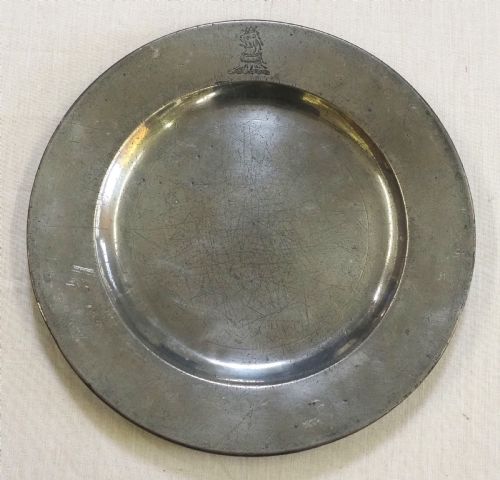


18th Century Silver Plate
These pieces of 18th century silver plate bring the weight and bright contrast of early fused metalwork to the table.
18th Century Silver Plate
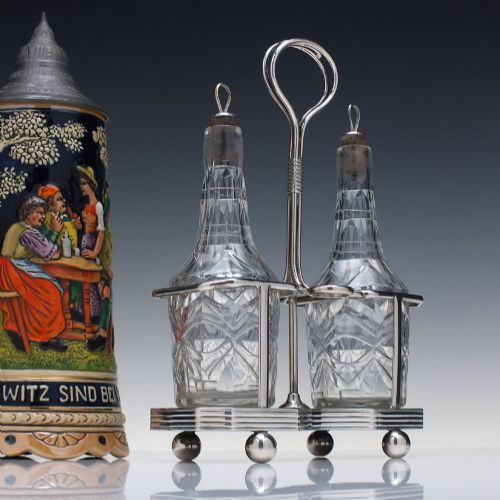
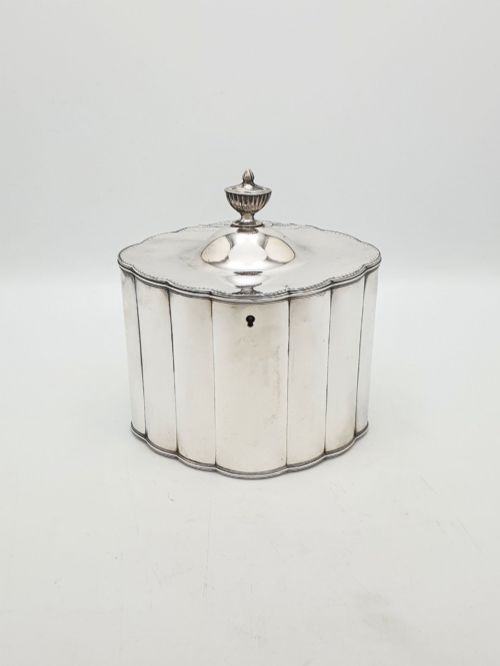
When you search for 18th century silver plate, you are looking at domestic wares created before modern electroplating changed the trade. The selection here leans heavily on Old Sheffield Plate, featuring forms designed for hospitality and dining.
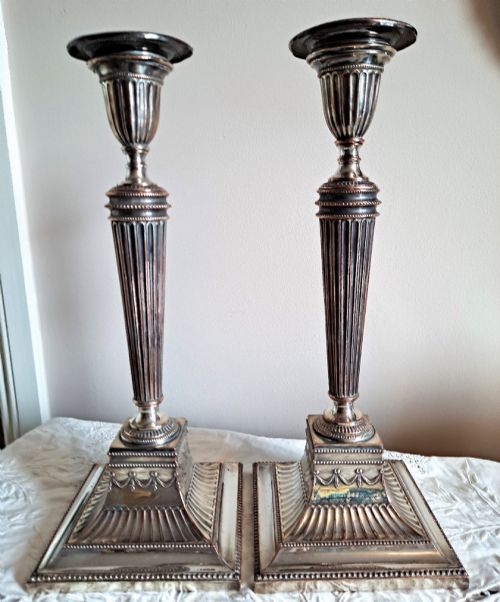
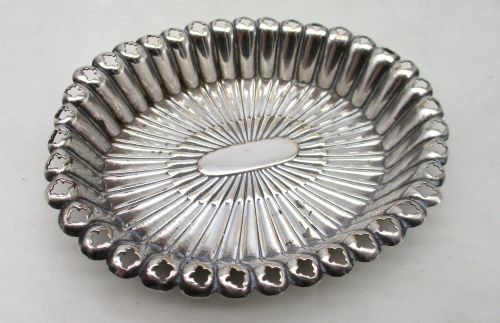
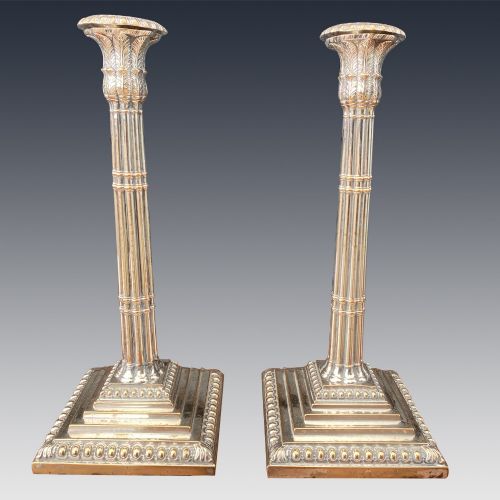
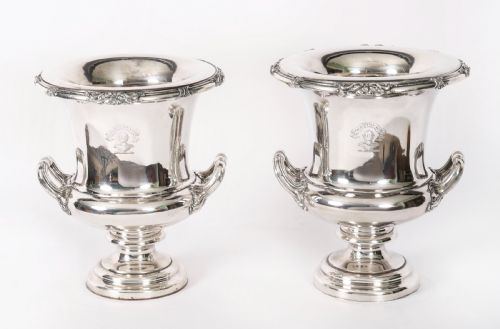
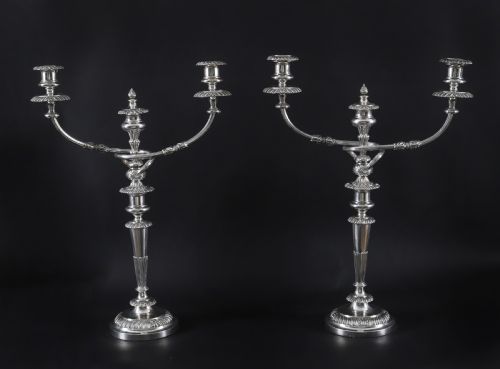
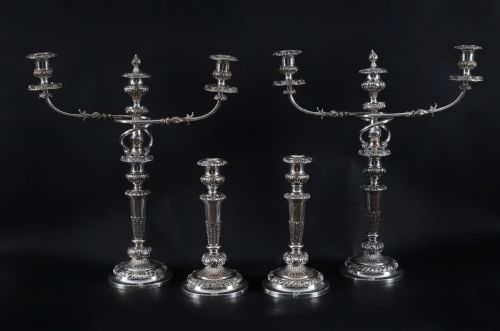
The inventory ranges from tall coffee pots and sturdy lidded tankards to candelabra and small card trays. Many carry George III and Neoclassical styles, reflecting the prevailing tastes of their original owners.
How they were made
Old Sheffield Plate was produced by fusing a thin sheet of silver to a thicker ingot of copper under heat, then rolling the composite metal into sheets. Makers formed hollowware and flatware from this layered material, often concealing exposed copper edges with thin silver wire.
Wood, pewter, and gold wash appear alongside copper and silver plate in related items, while individual makers added cast silver mounts to rims and handles to strengthen vulnerable points.
18th Century Silver Plate Retail Price Guide 2026
Typical asking prices for 18th century silver plate among the pieces listed under this phrase on Sellingantiques today, from the lower quarter to the upper quarter. They describe what is for sale here now, not the wider market.
The listings show items spanning the 18th century, 1800, and 1900 periods, constructed from copper, silver plate, pewter, wood, and gold wash.
What varies in quality
Quality rests primarily on the integrity of the fused metal surface and the crispness of the original chasing or engraving. Pieces that retain their full thickness of silver show less copper bleed-through over the underlying body.
Design complexity also separates standard items from exceptional ones. Matching suites, removable sconces on candlesticks, and early maker marks distinguish the workshop output.
Matthew Boulton·Richard Morton·John Hoyland·George Cooper·James Spackman
The 18th Century Silver Plate Glossary
- Old Sheffield Plate
- A fused bilayer of silver and copper produced before electroplating was invented. It is the defining material for this category of antique metalwork.
- Sconce
- The detachable drip pan or nozzle fitted to the top of a candlestick or candelabrum. These pieces often detach for cleaning.
- Argyll
- A covered vessel with an internal compartment for hot water, designed to keep gravy warm at the table. They appear in fine dining contexts.
- Salver
- A flat serving tray raised on feet, typically circular and fashioned from plated copper. They were used for presenting letters, glasses, or calling cards.
18th Century Silver Plate: Frequently Asked Questions
How do I clean old silver plate?
Clean these surfaces gently with a mild detergent and a soft cloth to protect the thin layer of fused silver. Avoid abrasive dips or heavy polishing that can expose the underlying copper.
Regular, light dusting helps maintain the sheen without wearing down the raised details of the design. Store the items in a dry environment to prevent tarnishing.
What is copper telegraphing?
Copper telegraphing occurs when the underlying copper core shows through the worn silver layer as a faint reddish hue. This typically appears on high-wear areas like edges, handles, and raised relief.
Many collectors view this wear as an honest sign of age and use rather than a defect. It confirms the traditional fused construction method of the period.
How can I date these pieces?
Dating relies on stylistic clues such as Neoclassical motifs, maker marks, and manufacturing techniques. Early fused pieces often feature simple lines that evolved into heavier cast mounts by the end of the century.
Documentation and recorded maker punch marks help narrow the timeline further. Comparing surviving examples provides a reliable baseline for period attribution.
Were these items used daily?
Most of these pieces served practical functions in wealthy Georgian households, from serving coffee and tea to holding wine and lighting dining rooms. Tankards and jugs saw regular service at the table and in taverns.
Their robust construction allowed them to withstand decades of handling. Today, they transition easily into decorative or light functional use in modern homes.