


18th Century Secretary
An 18th century secretary combines a drop-front writing desk with deep storage or a glazed bookcase, offering practical workspace and stately presence.
18th Century Secretary
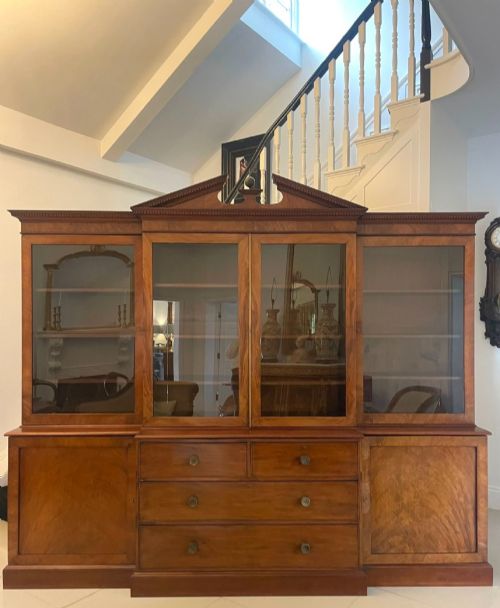
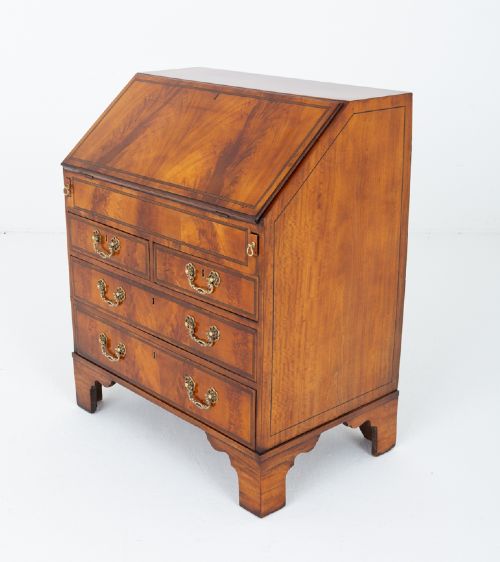
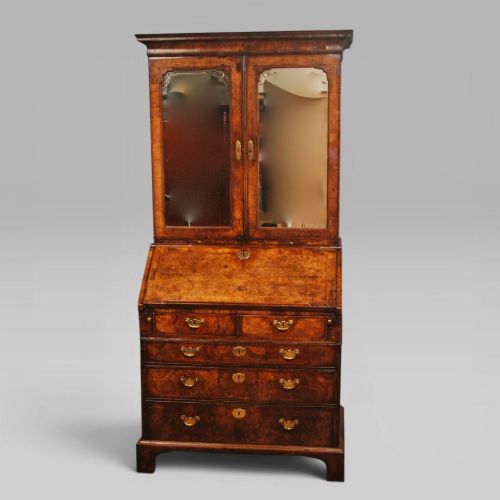
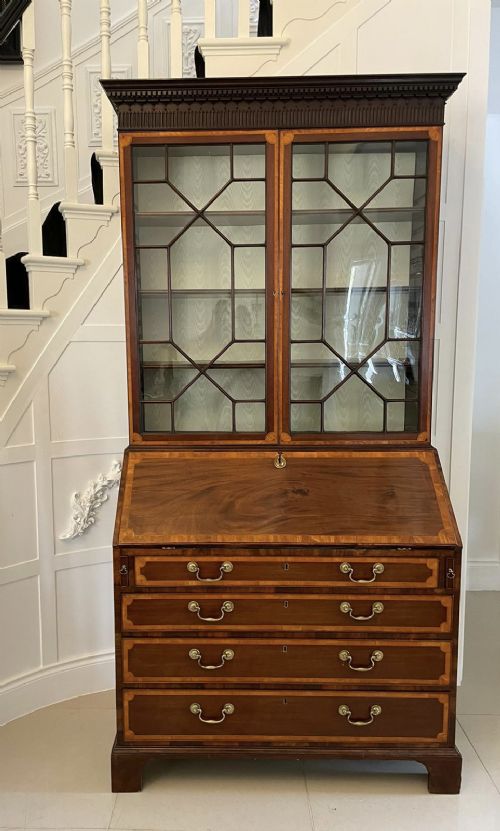
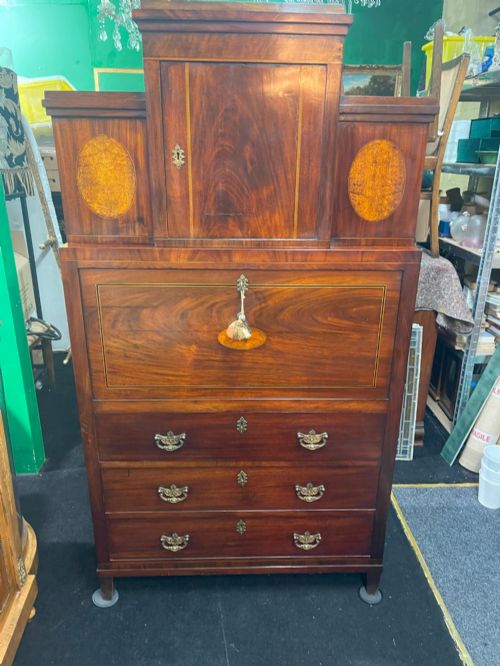
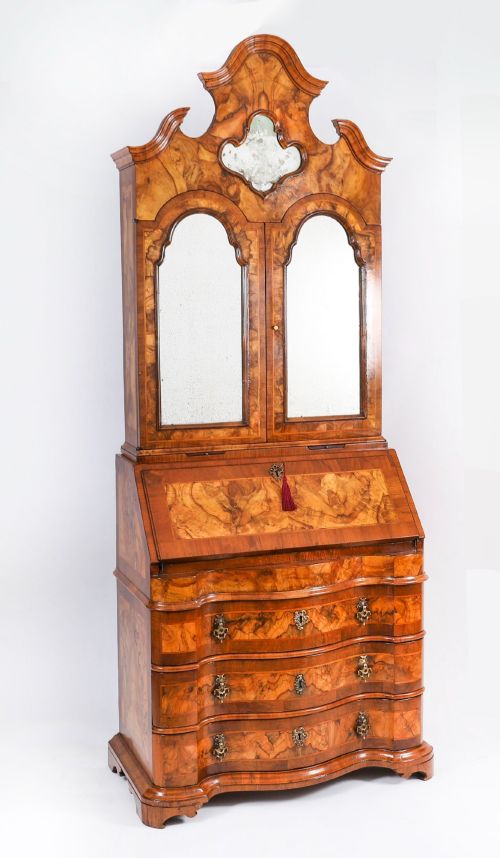
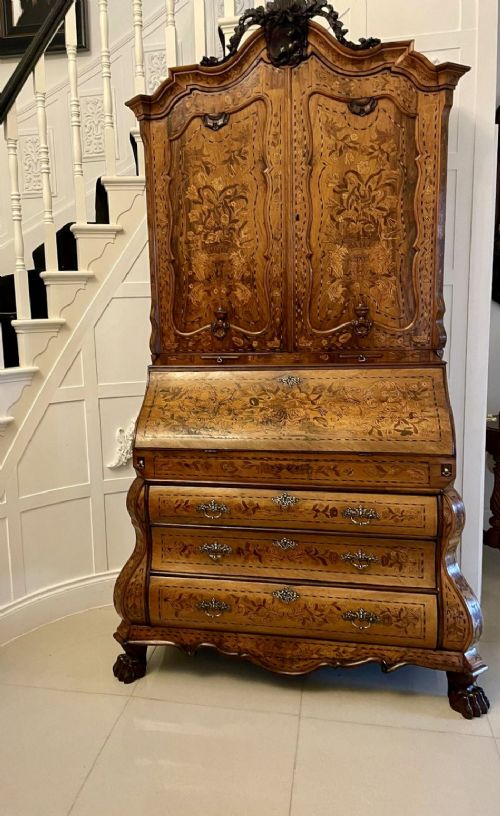
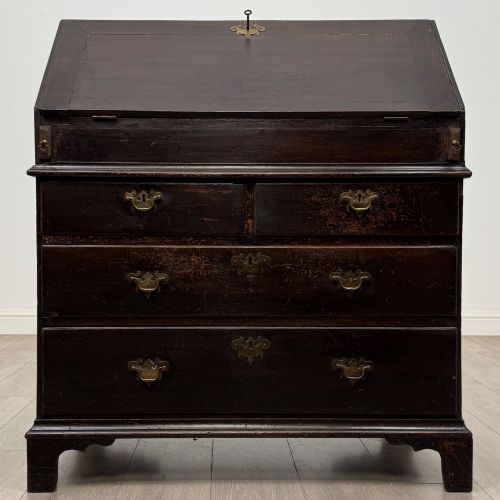
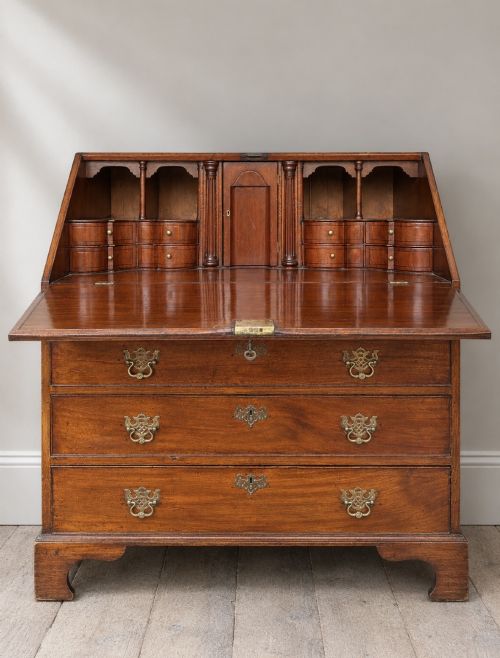
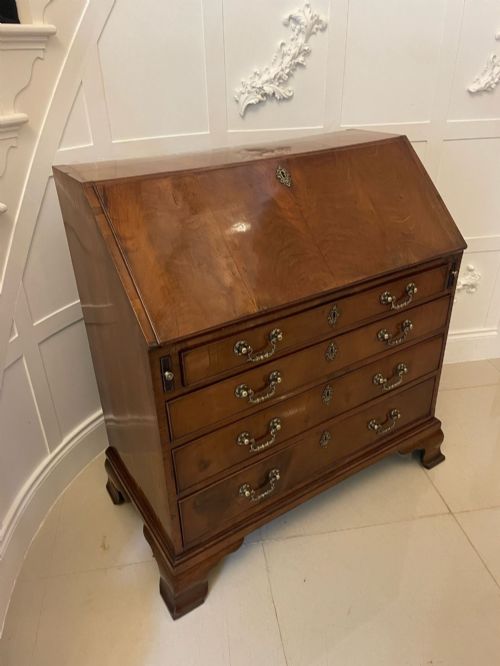
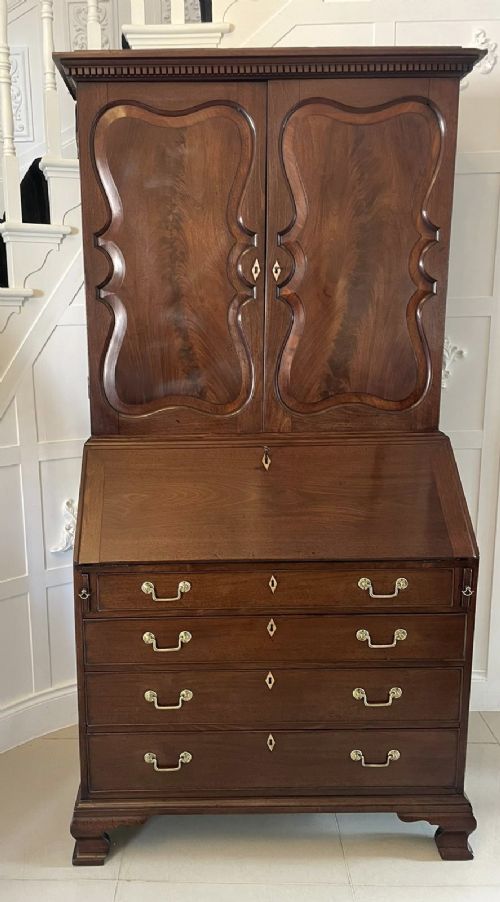
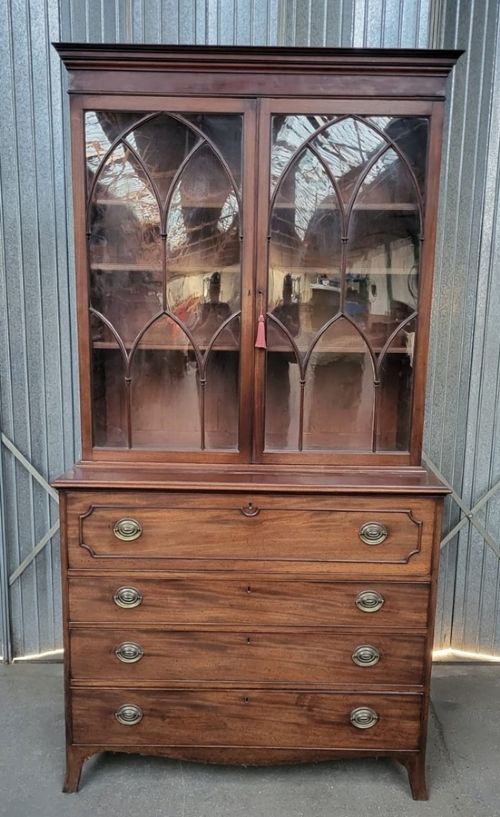
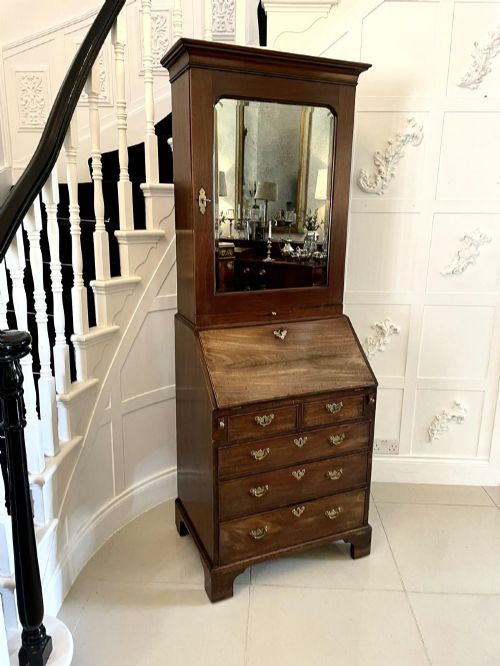
When you search for an 18th century secretary, you encounter substantial writing furniture designed for correspondence and document storage. The selection includes bureau bookcases, fall-front desks, escritoires, and cylinder bureaux spanning the Georgian, Queen Anne, and George reigns.
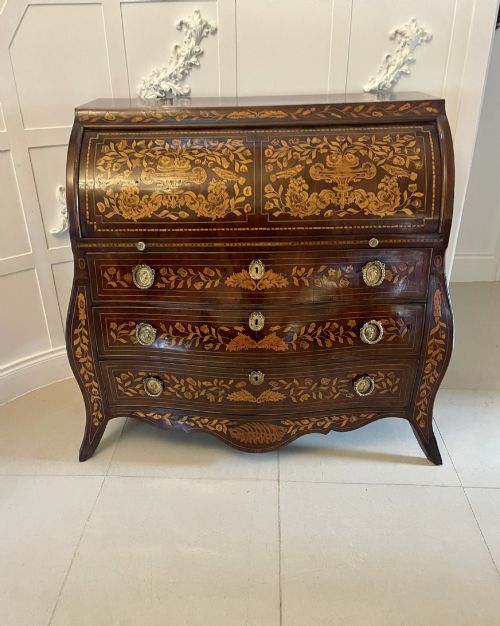
Mahogany and walnut dominate the offerings, appearing alongside oak, fruitwood, and intricate floral marquetry. Pieces range from compact small desks on legs to towering three-section glazed bookcase combinations.
Craftsmanship and Proportion
The sophistication of the internal fittings and the selection of veneer figure dictate the distinction between standard examples and exceptional items. Figured walnut with featherbanding or detailed floral marquetry indicates high workshop standards.
Proportion and original bracket feet or plinth bases heavily influence the integrity of the piece. Subtle details, such as candle slides beneath glazed doors and clean drawer linings, mark superior cabinetwork.
Listings feature walnut, mahogany, oak, and fruitwood spanning the 1700s to the 1920s, including Dutch marquetry and George III styles.
Thomas Chippendale
The 18th Century Secretary Glossary
- Bureau bookcase
- A dual-purpose piece featuring a sloped writing flap above drawers, surmounted by a shelved cabinet with solid or glazed doors. It provides both workspace and display storage.
- Escritoire
- A tall writing cabinet with a fall-front writing surface that conceals a fitted interior of small drawers and pigeonholes. This form emerged strongly during the walnut period.
- Featherbanding
- A decorative inlay technique utilising small strips of veneer arranged in a herringbone pattern around drawer perimeters. It frames the grain of primary woods like burr walnut.
- Step-interior
- An arrangement of internal drawers and pigeonholes built on ascending tiers within the writing compartment. This design adds depth and architectural detail to the desk well.
- Marquetry
- The art of forming decorative patterns using thin veneers of different coloured woods, ivories, or metals. Floral and botanical motifs are typical of Dutch and continental examples.
18th Century Secretary: Frequently Asked Questions
How do I use an 18th century secretary today?
The drop-front flap folds down to create a writing surface while concealing modern laptops and stationery inside the fitted pigeonholes. Deep drawers below provide generous storage for household papers and books.
Upper glazed cabinets serve as handsome display shelves for collections of china or leather-bound volumes. Placed in a study or living room, the piece functions as both a desk and a focal point.
What is the difference between a bureau and a secretary?
In British terminology, a bureau typically refers to a slant-front desk, while a secretary or secretaire encompasses furniture with a pull-out or drop-front writing drawer combined with a bookcase.
Both forms belong to the same lineage of domestic writing furniture developed during the Georgian and Queen Anne eras. The terms often overlap in marketplace listings depending on regional preference.
How do I care for walnut and mahogany surfaces?
Keep wooden surfaces away from direct sunlight and heat sources to prevent the veneers from drying out or splitting. Natural beeswax polish applied sparingly maintains the lustre of the grain.
Avoid placing damp items or unsealed plant pots directly on the antique wood. Gentle dusting with a soft, dry cloth preserves the original finish.
How can I tell George II from George III pieces?
George II pieces often showcase rich burr walnut veneers, featherbanding, and compact proportions influenced by earlier Queen Anne traditions. Bracket feet and stepped interiors are common hallmarks.
George III furniture leans heavily towards figured mahogany, sharper architectural lines, and occasional neoclassical or Chippendale influences. Glazed bookcase doors feature lighter, more refined lattice work.