




18th Century Plate Stand
These 18th century plate stand pieces are functional hearth and table items built to elevate serving ware and keep items warm.
18th Century Plate Stand
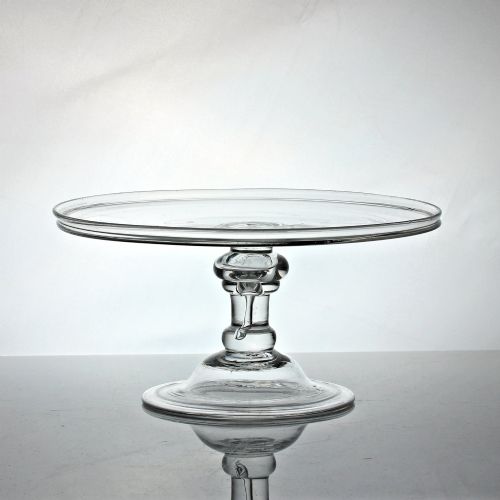
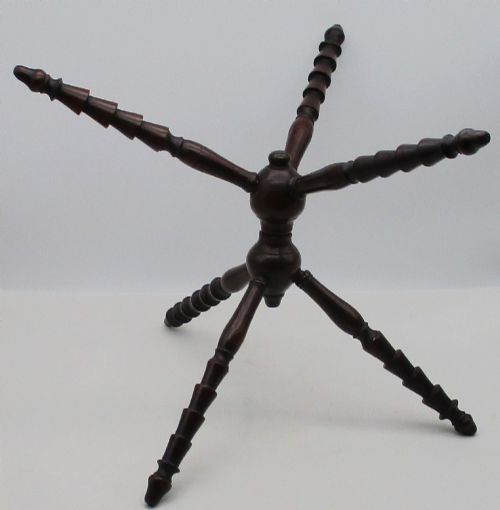
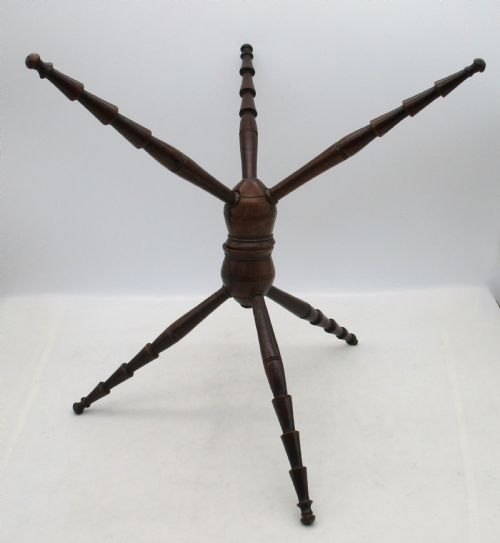
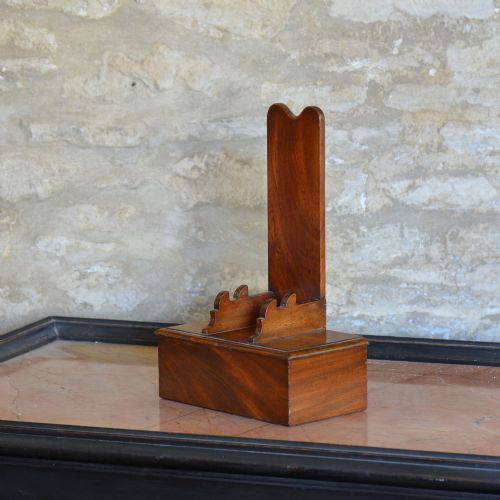
An 18th century plate stand serves as a versatile piece for the fireside or the dining table, encompassing forms like rotating fire cats and display tazzas. Buyers seeking an 18th century plate stand will encounter functional mahogany frames alongside glass and metal serving pieces from the Georgian era.
The selection ranges from rotating mahogany stands designed for the hearth to glass and silver tazzas, footmen, and bread stands. These objects reflect the domestic habits of the eighteenth century, balancing utility near the fire with display in the dining room.
Materials and Construction
Makers utilised solid mahogany for wooden fire stands and tray supports, shaping the timber to allow for rotating tops and sturdy legs. Brass and copper appeared in hearth accessories, while glass tazzas utilised lead crystal and clear glass.
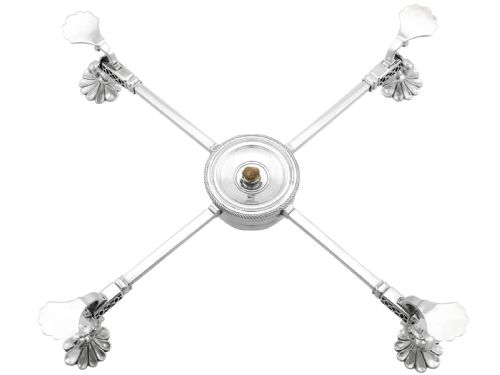
Silver plating and Old Sheffield Plate techniques were applied to copper bases for candlesticks, inkstands, and dish crosses. These methods combined durability with polished display surfaces suited to Georgian interiors.
Listings feature mahogany, silver plate, brass, and clear glass across Georgian and Neoclassical styles.
Assessing Quality
Quality rests in the precision of the turning on mahogany stands and the crispness of Neoclassical detail on metalwork. Superior examples retain their original rotating mechanisms and balanced proportions without clumsy repairs.
The clarity of the glass in tazzas and the thickness of the fused silver on Old Sheffield Plate distinguish finer pieces from simpler utilitarian items. Solid construction across joints and feet marks the work of skilled workshops.
The 18th Century Plate Stand Glossary
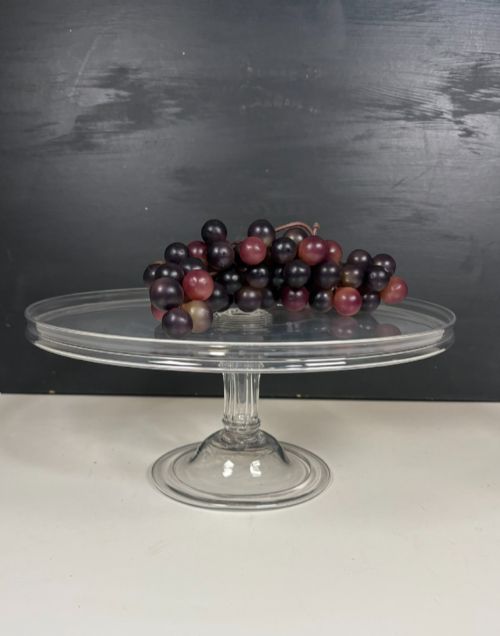
- Tazza
- A small shallow bowl or plateau raised on a foot, used for serving or display. These appear in lead crystal and silver during the eighteenth century.
- Old Sheffield Plate
- A composite material formed by fusing a thin sheet of silver to a thicker copper base. It was widely utilised for tableware and candlesticks before electroplating.
- Footman
- A metal stand placed in front of the fireplace to keep food warm. They are commonly constructed from brass or iron.
- Dish cross
- An adjustable metal cross placed on the table to support hot serving dishes. Georgian examples often feature spirit burners beneath the central junction.
18th Century Plate Stand: Frequently Asked Questions
How do I identify a Georgian tazza?
A Georgian tazza is a raised flat dish or shallow bowl used for serving fruit or sweets. They appear in clear glass, lead crystal, and silver.
Look for the thick kick-up in the foot and the heavy weight characteristic of eighteenth-century glassmaking. Their proportions are typically broad and low.
What materials were used for these stands?
The primary materials are mahogany for wooden stands and copper fused with silver for metal items. Brass, clear glass, and lead crystal also appear frequently.
Each material served a specific domestic function, from heat-resistant hearth metal to polished dining table display pieces.
Where were these stands used in the home?
Plate stands and fire cats were used primarily in the living spaces and dining rooms of Georgian houses. They supported food service near the fireplace or on the dining table.
Their portable nature allowed servants to move them easily between the kitchen and the main rooms as needed.