



Georgian Carved Tray Stand
A georgian carved tray stand offers a sturdy surface designed to hold serving gear, pairing practical utility with traditional cabinet-making.
Georgian Carved Tray Stand
When you search for a georgian carved tray stand, you enter a category of practical wooden furniture spanning several distinct periods and forms. The evidence on this page shows pieces originating from the Georgian era, the Regency period, and later 19th and early 20th century interpretations.
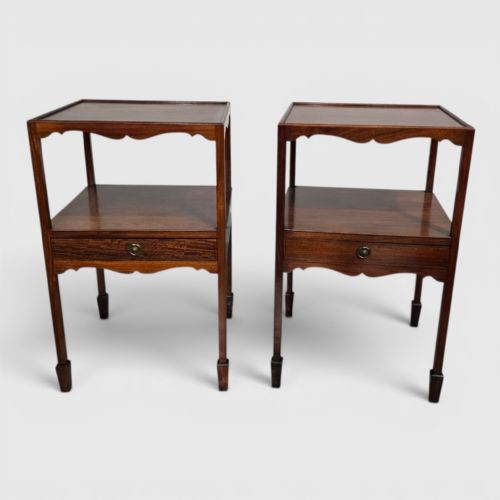
Forms include folding butler's trays on stands, bedside lamp tables, and wine tables that echo the classic aesthetic. These items combine the utility of a removable tray with a dedicated support structure for domestic use.
Oak and mahogany dominate the materials seen in these listings, often reflecting the robust construction methods of English country and Chippendale styles. You are most likely to meet mahogany versions finished with traditional joinery.
How they were made
The construction of these pieces relies heavily on solid hardwoods such as mahogany and oak, chosen for their durability and grain. Timber selection determines the weight and structural integrity of both the tray and its supporting stand.
Carpenters utilised traditional joints to assemble frames, ensuring that folding mechanisms and fixed bases withstand regular handling. Brass fittings frequently appear as structural or decorative accents on specific items.
Georgian Carved Tray Stand Retail Price Guide 2026
Typical asking prices for georgian carved tray stand among the pieces listed under this phrase on Sellingantiques today, from the lower quarter to the upper quarter. They describe what is for sale here now, not the wider market.
Book carriers ensure that your weighty volumes remain upright, avoiding the indignity of a slumped library shelf.
What varies in quality
Quality in these stands rests upon the crispness of the timber carving and the selection of figured mahogany or oak veneers. Superior examples display precise joinery and well-balanced proportions that remain stable during everyday use.
The refinement of the supporting stand relative to the tray itself dictates the overall grade of the piece. Finer items demonstrate careful attention to edge moulding and surface finishing rather than plain utility.
The Georgian Carved Tray Stand Glossary
- Butler's tray
- A removable wooden tray with hinged or panelled sides designed to rest upon a folding or fixed stand. It facilitates the transport of glassware and china.
- Lazy Susan
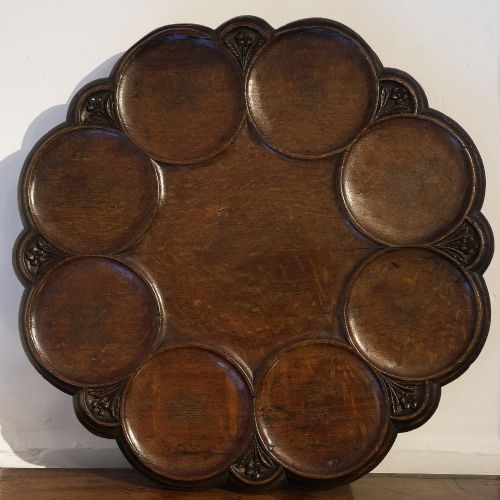
- A revolving circular tray placed on a table or stand to allow easy sharing of dishes. These items turn on a central pivot mechanism.
- Chippendale style
- A furniture design style inspired by the 18th-century cabinet maker Thomas Chippendale, characterised by intricate carving and robust proportions. It frequently employs mahogany.
- Regency
- A British design period dating from the early 19th century, known for classical restraint and the use of rosewood and brass inlay. Pieces from this era often feature clean lines.
Georgian Carved Tray Stand: Frequently Asked Questions
What is a butler's tray on stand?
A butler's tray on stand consists of a portable wooden tray resting on a collapsible or fixed wooden frame. This design allowed domestic staff to move refreshments easily between rooms.
Today, these pieces function as versatile side tables or coffee tables in living spaces. The tray can often be lifted off the base for cleaning or serving.
How do I identify Georgian furniture?
Georgian furniture is characterised by solid timber construction, typically mahogany or oak, and restrained classical ornamentation. Cabinet makers of this period focused on functional elegance and sturdy joinery.
Pieces from this era often display hand-cut dovetails and traditional wax finishes. Later reproductions or Edwardian interpretations may show subtle differences in tool marks and wood conditioning.
Where were tray stands used?
These stands primarily served dining rooms and drawing rooms for holding drinks, books, or serving dishes. Their portable nature made them adaptable to various rooms within large houses.
In modern interiors, they fit well beside armchairs or sofas as convenient surface space. Their historic utility translates directly into practical everyday furniture.
What woods are commonly used?
Mahogany and oak are the primary hardwoods found in these listings, offering both strength and rich grain patterns. Rosewood also appears in specific Regency items for a darker, more decorative finish.
These timbers were chosen for their ability to withstand daily wear while taking a fine polish. Understanding the wood helps determine the appropriate care and maintenance for each piece.