




18th Century Pastoral Canvas
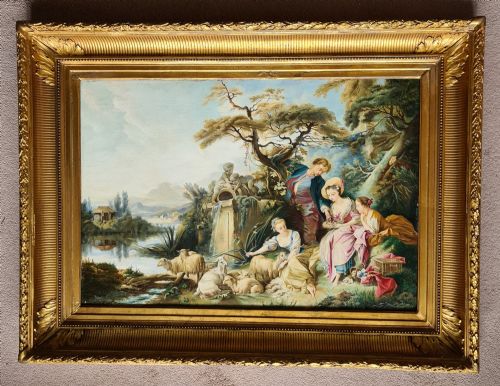
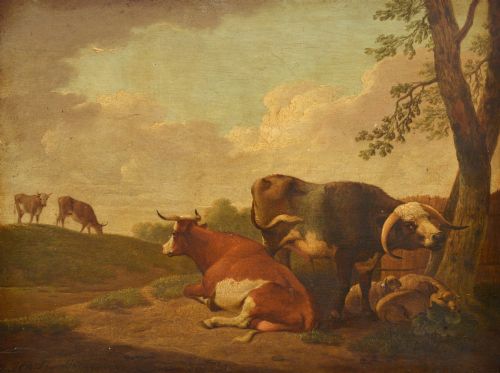
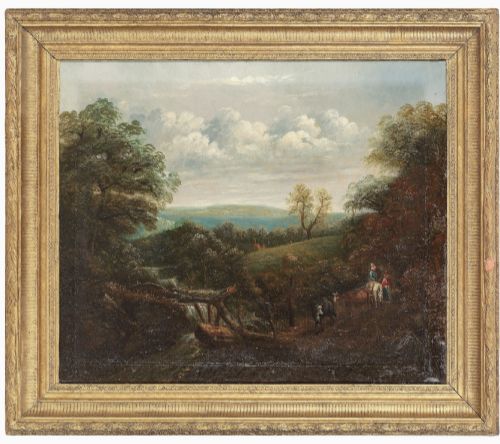
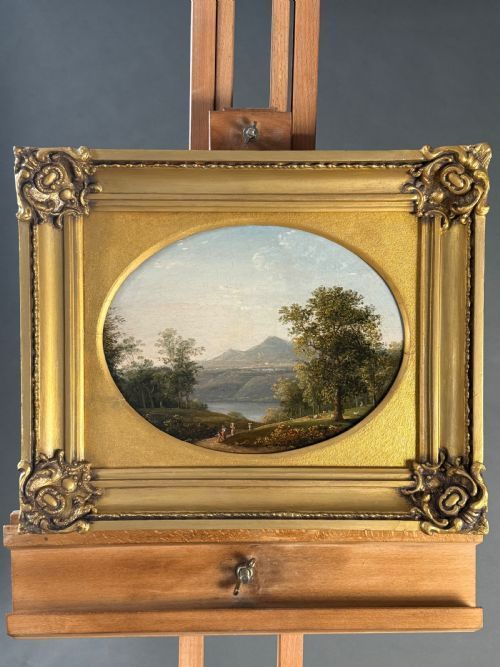
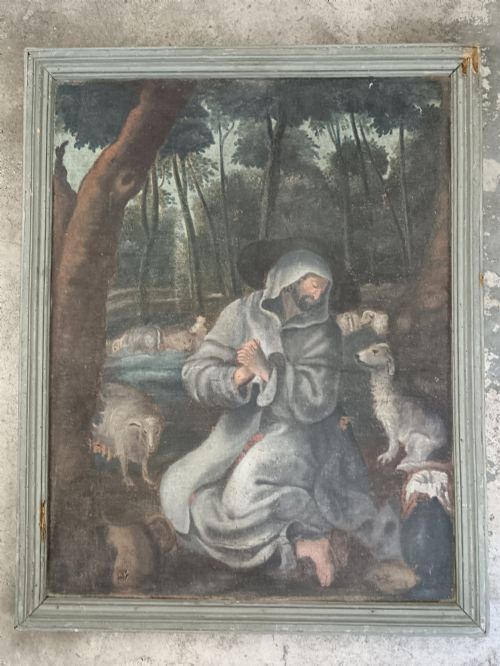
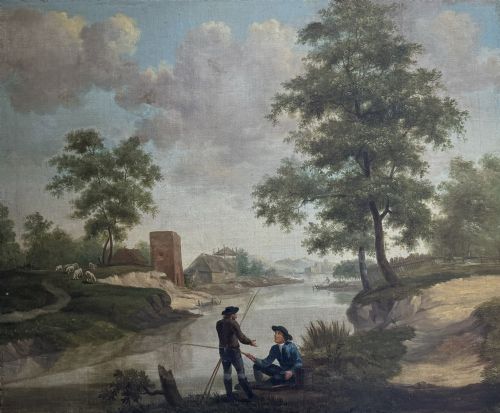
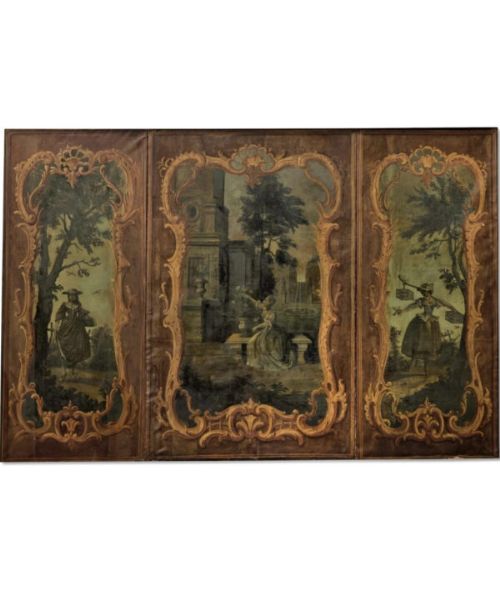
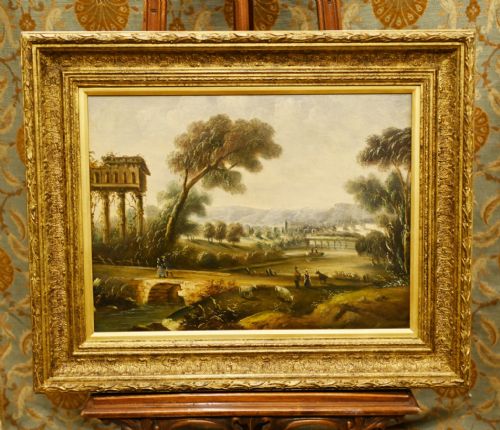
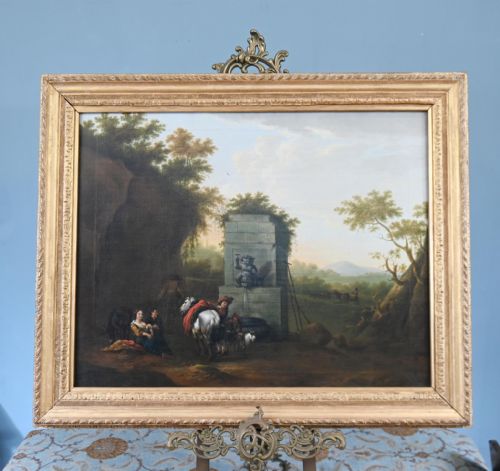
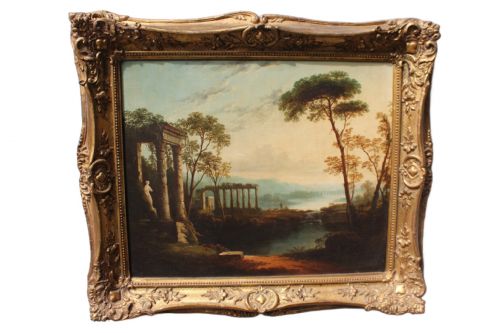
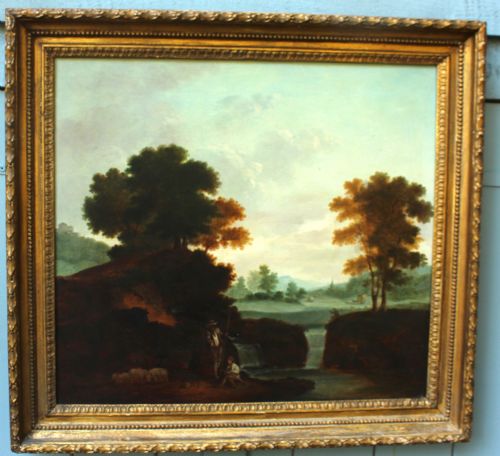
These 18th century pastoral canvas works capture idealised rural scenes painted in oils, offering collectors a glimpse into classical landscapes filled with figures and livestock.
18th Century Pastoral Canvas
An 18th century pastoral canvas typically depicts idealised rural life, featuring rustic figures, cattle, sheep, and classical architectural elements set within European landscapes.
The selections span from works created during the 18th century itself to later interpretations produced in the 19th century, drawing upon French Rococo, Italianate, and British schools.
Buyers encounter oil paintings on canvas framed in wood, giltwood, or gold leaf, reflecting regional British, Dutch, and Italian artistic traditions.
Materials and Technique
Artisans applied oil paint directly onto stretched canvas surfaces, utilising pigments that allowed for nuanced blending of light and shadow across skies and foliage.
Finished works were typically housed within wooden frames finished with giltwood, gold leaf, or gilded wood to complement the classical composition.
The selection includes works attributed to the Norwich School and various British and Italian artistic circles.
Assessing Quality in Pastoral Paintings
The distinction between standard decorative pieces and finer works rests on the handling of light, atmospheric depth, and the naturalism of figures and animals.
Attribution to specific regional schools, circles of known artists, or documented provenance elevates the standing of an individual oil painting.
Francois Boucher·Hendrik Willem Schweickhardt·Jacob Philipp Hackert·Jan Miel·John Sanderson Wells·Claude Lorrain·Julius Caesar Ibbetson·Francesco Zuccarelli·Jean-Antoine Watteau·Richard Wilson·Arthur Pond·George Morland·Hermanus van Brussel·Thomas Jones
The 18th Century Pastoral Canvas Glossary
- Canvas
- A heavy woven fabric used as the primary support surface for oil paintings. It is stretched tightly across a wooden frame before painting begins.
- Giltwood
- Wood that has been coated with a thin layer of gold leaf or gold paint. This material is frequently used for framing antique pastoral art.
- Pentimento
- An alteration in a painting evidenced by previous strokes visible beneath the surface layers. This reveals the artist changing their composition during the creative process.
- Italianate
- A stylistic approach inspired by the landscapes, architecture, and light of Italy. It heavily influenced British and European painters of the classical period.
- Grisaille
- A painting executed entirely in shades of grey or neutral monochrome. It is often used to create the illusion of sculptural relief on walls or canvases.
18th Century Pastoral Canvas: Frequently Asked Questions
What defines an 18th century pastoral canvas?
These works depict rural idylls, featuring herdsmen, cattle, rivers, and classical ruins rendered in oil paint on canvas. They reflect the period's romanticised view of country life.
Subjects often draw on British, Dutch, and Italian schools, encompassing both original 18th-century compositions and later 19th-century interpretations.
How were these paintings displayed originally?
Such works were created to adorn the walls of grand homes, country estates, and townhouses, serving as decorative centerpieces for reception rooms.
They were typically housed in heavy wooden frames finished with giltwood or gold leaf to complement classical interiors.
How do I care for an oil painting on canvas?
Keep the canvas away from direct sunlight and fluctuating humidity levels to prevent the oil paint from cracking and the wooden stretcher from warping.
Dust the surface gently with a soft, dry brush and avoid applying liquid cleaners to the painted canvas or the gilded frame.
How can I tell different painting schools apart?
Italianate and French Rococo works often feature warm, sunlit ruinscapes and theatrical pastoral figures, whereas British and Dutch schools lean towards domestic realism and local countryside scenery.
Examining brushwork, framing styles, and any visible artist signatures helps clarify the regional origin of the piece.