



18th Century Pastel
An 18th century pastel is a fragile survivor of Georgian portraiture, valued for the velvety pigment and immediacy captured by the artist.
18th Century Pastel
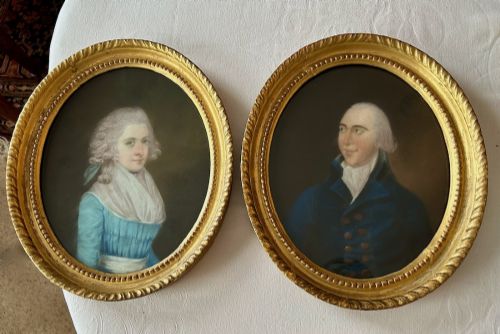
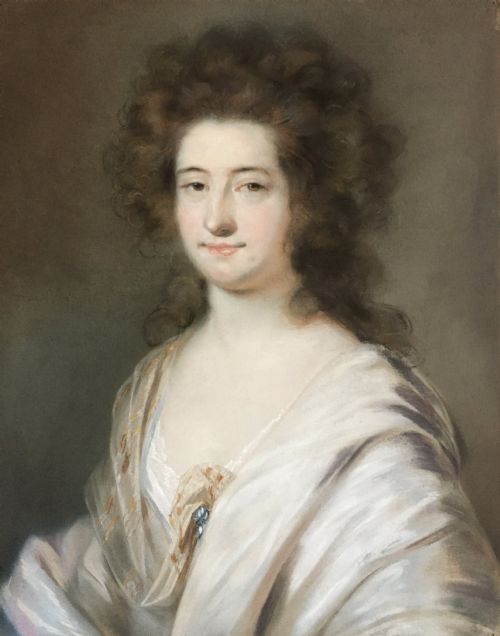
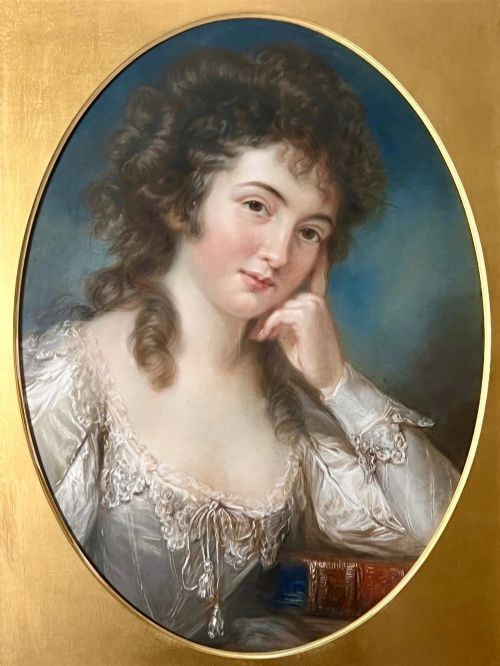
When you search for an 18th century pastel, you encounter delicate works on paper executed during the Georgian period, often depicting named sitters in fine detail. These works frequently arrive in portrait formats, ranging from miniature profiles to pairs of substantial framed likenesses.
The selection encompasses both direct works by known hands and pieces originating from the circle or followers of prominent pastelists. Alongside traditional portrait paintings, the category occasionally includes related fine art and porcelain items painted in matching pastel hues.
Materials and technique
These works rely fundamentally on pastel pigment applied to a paper support, capturing the soft texture inherent to the medium. Glaziers protected the fragile chalk surfaces beneath glass, housed within timber frames finished in giltwood or gold leaf.
Makers occasionally utilised cut-out silhouette techniques alongside dry pigment to build profile portraits. The underlying frames utilise traditional woodworking methods, often incorporating gilded wood to complement the domestic interiors of the era.
A porcelain boy drummer holds a gold anchor mark, bringing cheerful pastel hues to a medium more commonly associated with flat paper.
Distinctions in execution
The distinction between average and exceptional examples rests upon the fidelity of the facial likeness and the confidence of the pastel strokes. Superior pieces maintain the freshness of the chalk without excessive blurring or clumsy restoration to the paper support.
Framing contributes significantly to the integrity of a piece, with period giltwood mouldings preserving the original context of the artwork. Works attributed directly to accomplished hands demonstrate superior handling of light and fabric compared to anonymous follower pieces.
James Sharples·Benedetto Luti·John Russell·John Raphael Smith·Nathaniel Bermingham·Arthur Pond·Gerrit Schipper·Henrietta De Beaulieu Dering Johnston·Sir Thomas Lawrence
The 18th Century Pastel Glossary
- Pastel
- A dry painting medium composed of powdered pigment and a binder, formed into sticks for drawing. It yields a matte surface with velvety depth.
- Giltwood
- Timber carved and coated with a thin layer of gold leaf or metallic powder. It provides ornate framing for Georgian artwork.
- Miniature
- A small-scale portrait painting designed for intimate viewing. These works require precise brushwork or pigment application due to their diminutive dimensions.
- Follower
- An artist whose work closely imitates the style, technique, or composition of a master without being a direct pupil. Their output reflects the prevailing aesthetic of a prominent studio.
18th Century Pastel: Frequently Asked Questions
How should I hang an 18th century pastel?
Protect the fragile paper surface by placing the artwork away from direct sunlight and fluctuating humidity levels. UV-filtering glass helps prevent the delicate pastel pigments from fading over time.
Ensure the frame hangs securely on a stable interior wall, avoiding exterior walls prone to dampness. Professional framing with acid-free backing materials safeguards the paper against degradation.
Are these works painted on canvas?
Traditional pastels of this period are executed on paper supports rather than woven canvas surfaces. The dry chalk medium adheres best to textured paper or vellum.
Due to this delicate substrate, handling requires extreme care to prevent pigment displacement. The paper is typically laid down onto a secondary backing for structural support.
Who are the typical subjects?
Portraits from this era commonly depict named Georgian gentlemen, ladies, and children from affluent backgrounds. Sitters often wear period attire such as red jackets or formal hats.
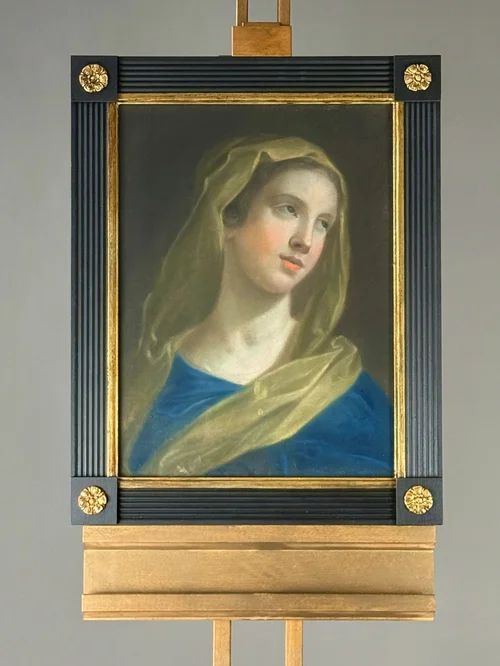
Artists also produced religious subjects, including depictions of the Madonna, alongside intimate profile silhouettes. Commissioned pairs of portraits record married couples or family members together.
How do I identify a reproduction frame?
Original Georgian frames exhibit hand-carved wood construction finished with genuine gold leaf and subtle signs of age. Modern replacements often display uniform machine tooling and synthetic gilding.
The backing boards and joining pins on antique frames also reveal period manufacturing techniques. Examining the hardware provides clues to whether the frame is contemporary to the artwork.