




Blue Background Portrait
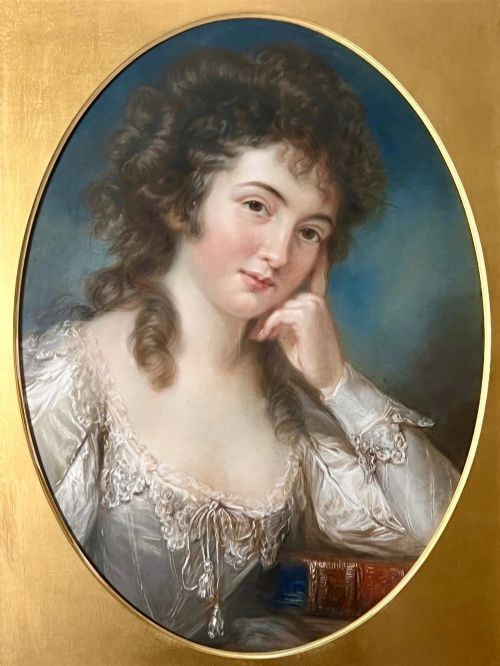
A blue background portrait captures a subject against striking cobalt or azure tones, offering collectors a rich piece of fine art history.
Blue Background Portrait
A blue background portrait spans several centuries of painting, encompassing oil on canvas, pastel on paper, and intricate portrait miniatures housed in gold frames. Buyers seeking a blue background portrait encounter works ranging from 17th-century oils to 19th-century Georgian miniatures and mid-century realist paintings.
The selection includes formal depictions of nobility and military figures alongside intimate studies of ladies in white dresses or young children. These artworks draw the eye through the contrast between the subject and the deep blue pigment framing them.
How they were made
Artists built these works using oil on canvas, oil on board, and watercolour or pastel on paper, often setting delicate subjects inside gold or gilt brass frames. Portrait miniatures frequently incorporate glass to protect the painted surface, while larger canvases utilise traditional stretching and priming techniques.
Listings span from the 17th century to the 1960s, featuring glass, wood, watercolour, oil on canvas, pastel, paper, gold leaf, and ivory.
What varies in quality
Quality rests in the precision of the brushwork and the psychological depth captured in the subject's expression. Master works display subtle shading in the blue background and lifelike rendering of fabrics like lace and velvet.
The integrity of the original frame, whether 14K gold or gilt brass, contributes significantly to the piece. Condition of the underlying canvas, paper, or glass shield also dictates the overall standard.
John Russell R.A.·George Engleheart·Jean Denis Maillart·Jeremiah Steele·Sir Godfrey Kneller·Edward Bird·Henry Wyatt
The Blue Background Portrait Glossary
- Portrait Miniature
- A small-scale painting, highly detailed, often executed on ivory, vellum, or paper. These pieces were frequently worn as pendants or set into rings.
- Pastel
- A dry medium made of powdered pigment and a binder, producing a velvety surface. Pastel works require careful preservation under glass.
- Gilt Brass
- Brass treated with a thin layer of gold or gold-coloured wash to give the appearance of solid metal. It provides durable framing for small portraits.
- Oil on Board
- A painting executed on a stiff wooden or pasteboard panel rather than stretched canvas. This surface offers a rigid support for the artist's pigments.
Blue Background Portrait: Frequently Asked Questions
How do I care for a miniature portrait?
Keep the piece away from direct sunlight to prevent the pigments and paper from fading over time. Ensure it rests in a stable environment with minimal humidity fluctuations.
Avoid touching the exposed painted surface if the glass is missing or compromised. Dust the frame gently with a dry, soft cloth.
What periods do these portraits cover?
The works span from the 17th century through the Georgian and Regency eras into the 19th and mid-20th centuries. Each period brings distinct clothing styles and painting techniques.
Early pieces often feature prominent historical figures, while later works include informal studies and circus portraits.
Are the frames original to the paintings?
Many portrait miniatures and smaller works retain their period gold or gilt brass frames. These mountings often match the era in which the artwork was created.
Inspect the fit and wear of the metal to understand its history. Original frames complement the aesthetic of the blue background.
What subjects appear in these portraits?
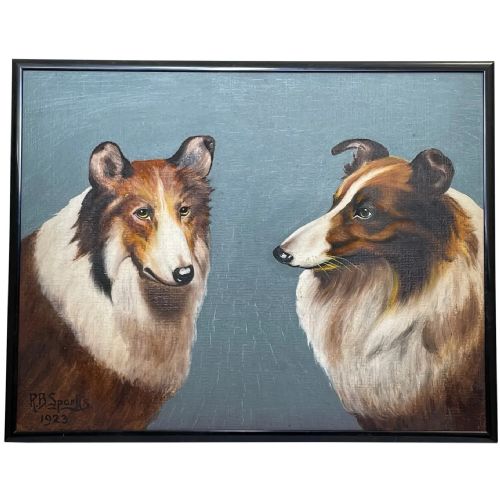
Subjects range from nobility and military commanders to children and anonymous sitters. Artists also painted dogs and performers against striking coloured backdrops.
Each figure reflects the fashion and social status of their respective time. The blue background unifies these diverse subjects.