

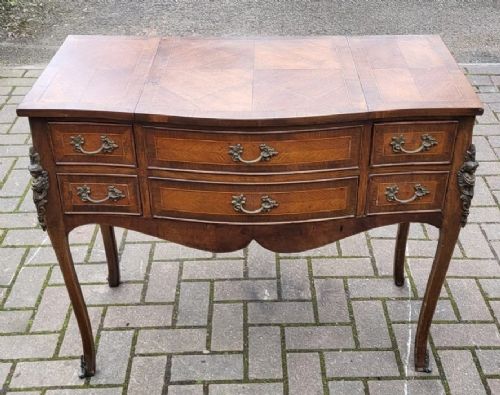


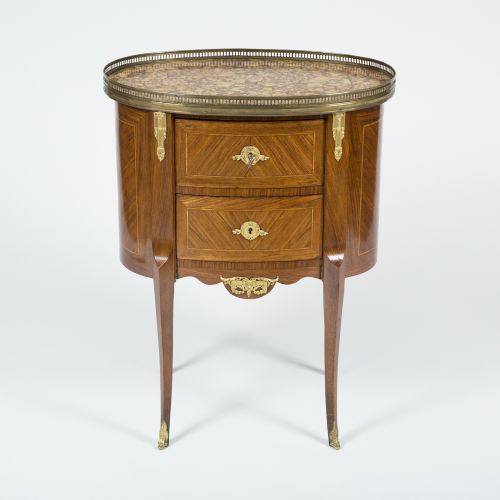


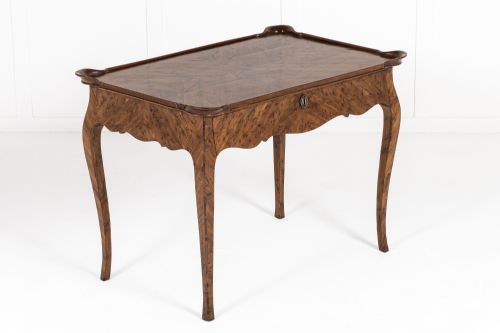
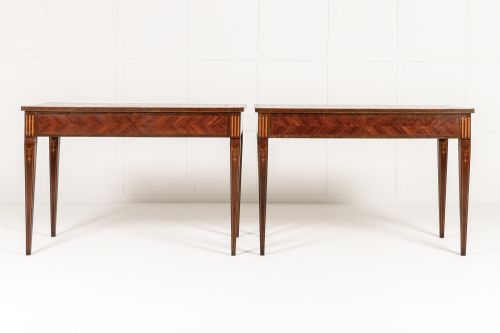
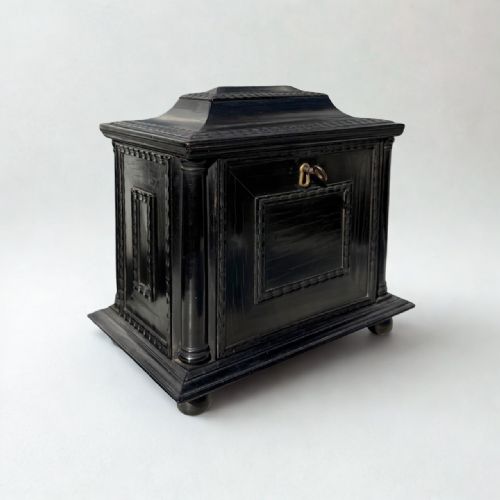


18th Century Parquetry Table
An 18th century parquetry table brings geometric wood veneers into a room, offering both a usable surface and intricate decorative detail.
18th Century Parquetry Table
When you search for an 18th century parquetry table, you look at pieces defined by precision-cut wooden geometric patterns laid onto a carcase. These surfaces utilise contrasting timbers to create visual depth and pattern across the top.
The selections span various forms including writing desks, card tables, console tables, and wine tables. Alongside pieces genuinely from the seventeen-hundreds, you will encounter later nineteenth-century interpretations built in earlier stylistic traditions.
Origins stretch across French, Italian, and Flemish workshops, reflecting distinct regional tastes in furniture design. Styles range from Louis XV and Louis XVI curves and neoclassical restraint to Flemish Baroque presence.
Materials and construction
Cabinetmakers constructed these tables using a foundation of secondary woods overlaid with decorative veneers of walnut, kingwood, rosewood, tulipwood, fruitwood, and mahogany. These timbers provided contrasting natural tones essential for geometric parquetry layouts.
Metal mounts in ormolu and brass frequently decorated the corners, edges, and legs, protecting vulnerable areas while adding metallic contrast. Artisans glued veneers meticulously to the carcase before scraping and polishing the surface to a smooth finish.
18th Century Parquetry Table Retail Price Guide 2026
Typical asking prices for 18th century parquetry table among the pieces listed under this phrase on Sellingantiques today, from the lower quarter to the upper quarter. They describe what is for sale here now, not the wider market.
One tiny fruitwood table survived centuries of household use simply because its parquetry top doubled as an impromptu chessboard.
Factors of quality
Quality rests primarily in the precision of the veneer cutting and the tightness of the geometric joins. Superior examples maintain exact alignment across complex patterns without visible gaps or excessive filler between individual wooden pieces.
The choice of timbers dictates baseline quality, with rarer woods like kingwood and tulipwood denoting higher-status commissions. Additionally, the crispness of optional bronze or brass mounts and the integrity of the underlying carcase structure separate standard items from superior works.
The 18th Century Parquetry Table Glossary
- Parquetry
- A geometric mosaic of wood veneers used to cover floors or furniture surfaces. It relies on contrasting grains and colours to form repeating patterns.
- Ormolu
- Gilded bronze applied to furniture mounts and decorative hardware. It provides a bright metallic accent against dark or figured timber veneers.
- Tulipwood
- A pale, creamy timber with distinctive pinkish-brown striations used extensively for contrasting geometric bands in parquetry work.
- Bureau plat
- A flat-topped freestanding writing desk, often fitted with drawers and finished on all sides. It represents a common form for refined domestic workspaces.
18th Century Parquetry Table: Frequently Asked Questions
How do I clean parquetry?
Dust surfaces regularly with a soft, dry cloth to prevent particulate accumulation in the veneer joints. Avoid modern liquid polishes that can seep into minute gaps between the wood pieces.
Apply a quality furniture wax sparingly when the wood appears dry, buffing gently to maintain the natural sheen. Keep these tables away from direct heat sources and strong sunlight to prevent the veneers from lifting or fading.
Where were these tables used?
Parquetry tables served multiple domestic functions in period interiors, acting as writing desks, card-playing surfaces, or serving stands in reception rooms. Smaller occasional and wine tables moved easily to suit the immediate needs of the household.
Larger console tables stood against walls beneath mirrors, holding decorative objects or lighting. Their combination of utility and ornamental veneer work made them suitable for principal public rooms.
Are all these tables French?
While French workshops produced many surviving examples, cabinetmakers across Europe utilised parquetry techniques. The evidence includes pieces originating from Italy and Flanders alongside French designs.
Regional preferences influenced both the timber selection and the overarching furniture style, ranging from Italian console tables to Flemish caskets and writing desks.
How do I spot later copies?
Examine the timber species, construction methods, and tool marks on the underside and interior of the carcase. Nineteenth-century interpretations often utilise machine-sawn backing boards or standardised hardware not found in eighteenth-century workshops.
Compare the style of the mounts and the ageing of the wood to known period benchmarks. Natural shrinkage in old timber creates subtle undulations across the veneer surface that mechanical copies struggle to replicate accurately.