


18th Century Neoclassical Prints
These 18th century neoclassical prints bring classical antiquity, mythology and grand architecture onto the wall through period paper and ink.
18th Century Neoclassical Prints
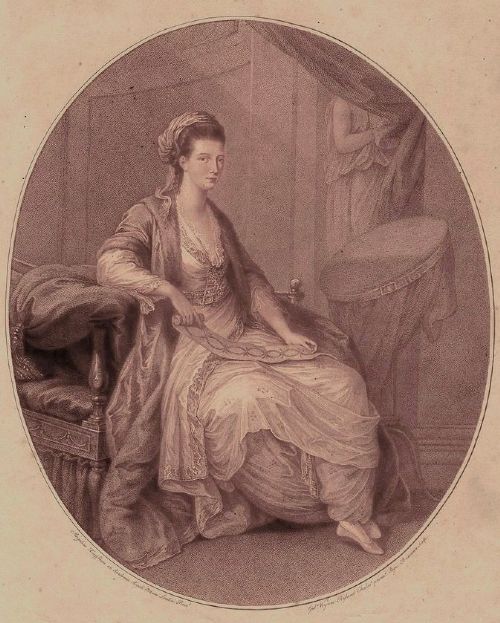
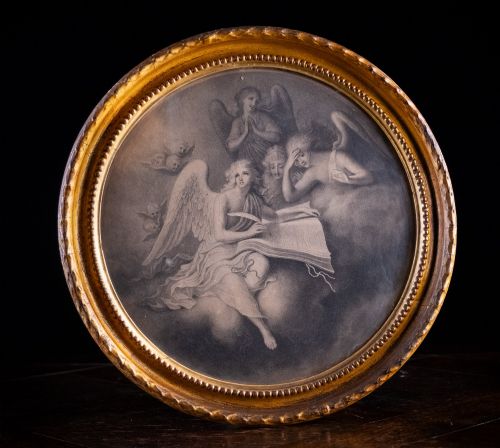
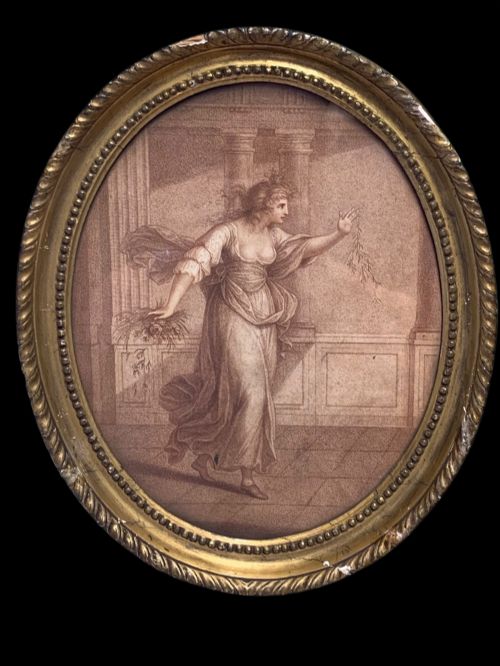
When you search for 18th century neoclassical prints, you encounter works on paper originating predominantly from the 18th century, with select pieces from around 1800 and the Georgian period. These works encompass portraits, allegorical figures, mythological scenes and grand architectural elevations.
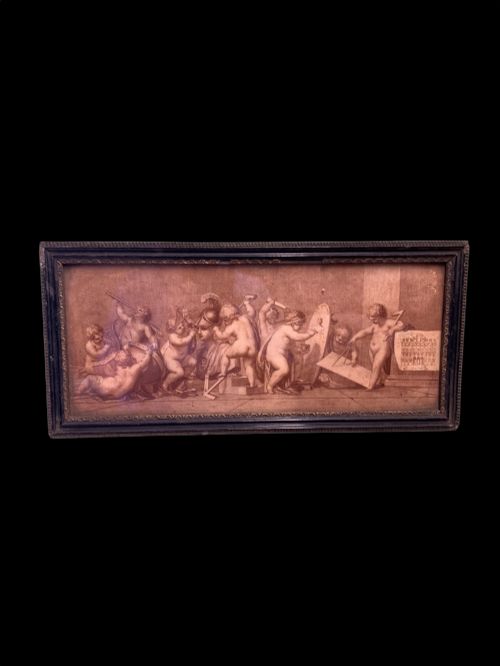
The subjects draw heavily on classical antiquity, including Roman and Greek gods, Vatican loggie designs and architectural ruins from Athens. They appear singly, in pairs or in larger sets, often framed in wood or giltwood.
How they were made
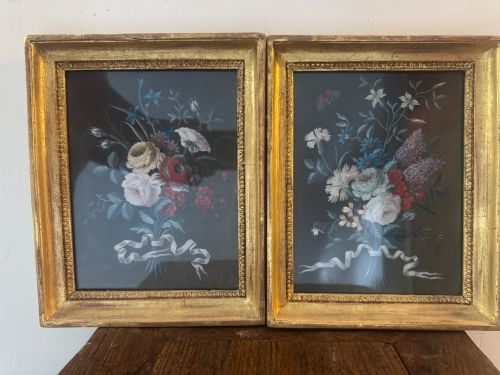
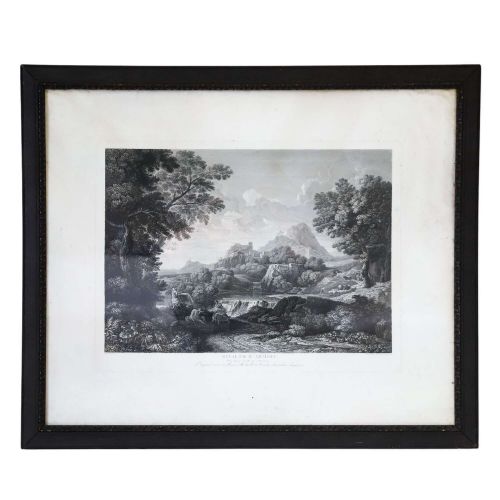
The works rely primarily on paper and ink, utilised through techniques such as engraving, etching and stipple engraving to capture fine linear detail. Certain pieces incorporate gouache for colour, bringing flower still lifes and classical scenes to visual prominence.
Framing materials include wood, gold leaf and gilt, enclosing the sheet behind glass to protect the delicate medium. Master engravers worked from frescoes, statues and architectural surveys.
Angels, gods and serpents peer out from architectural ruins, proving that neoclassical scholars enjoyed a touch of drama.
What varies in quality
Quality rests in the crispness of the ink impression upon the paper and the fidelity of the line work. Early impressions from copper plates show sharp architectural details and subtle shading that later or worn plates lose.
The presentation also elevates a piece, particularly original frames finished in gold leaf, giltwood or carved wood that complement the neoclassical aesthetic.
James Basire·Giovanni Ottaviani·Edward Rooker·Francesco Piranesi
The 18th Century Neoclassical Prints Glossary
- Engraving
- A printmaking technique where an artist cuts lines into a metal plate with a burin to hold the ink. This method produces clean, precise lines suited for architectural elevations.
- Etching
- A process using acid to cut lines into a metal plate protected by a ground. It allows for free, expressive linework.
- Gouache
- An opaque water-based paint used on paper. It provides solid blocks of colour for botanical and figural subjects.
- Giltwood
- Wood carved and covered with a thin layer of gold leaf or gesso and gold paint. It forms the decorative frames enclosing many period works.
18th Century Neoclassical Prints: Frequently Asked Questions
What subjects appear on these prints?
The subjects include classical deities, mythological figures like Eros and Aphrodite, and architectural studies from Athens and Rome. Portraits and flower still lifes also feature.
Many plates record antiquities from archaeological publications of the period.
How were these works originally published?
Many plates issued forth as part of large folio volumes documenting architectural ruins and classical art, such as surveys of Athens or the Vatican loggie.
Collectors later framed these individual plates for display on domestic walls.
How do I care for framed paper art?
Keep framed pieces away from direct sunlight to prevent the ink and paper from fading over time. Stable indoor humidity protects both the paper support and the wooden frame.
Ensure the glass is clean and check that the backing board remains secure.
What is a stipple engraving?
Stipple engraving is a method of dotting the printing plate rather than cutting continuous lines. It creates subtle gradients of tone, ideal for depicting skin and drapery.
This technique gained popularity in the 18th century for classical and allegorical subjects.