



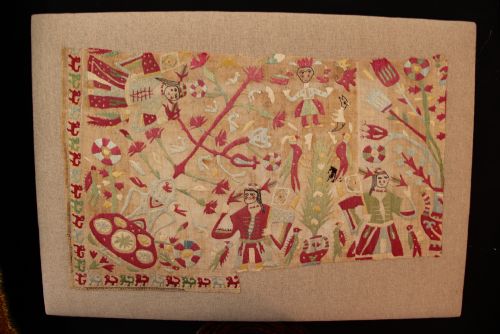


18th Century Needlework
18th century needlework brings together framed silk pictures, embroidered maps, and samplers that record domestic skill and classical training.
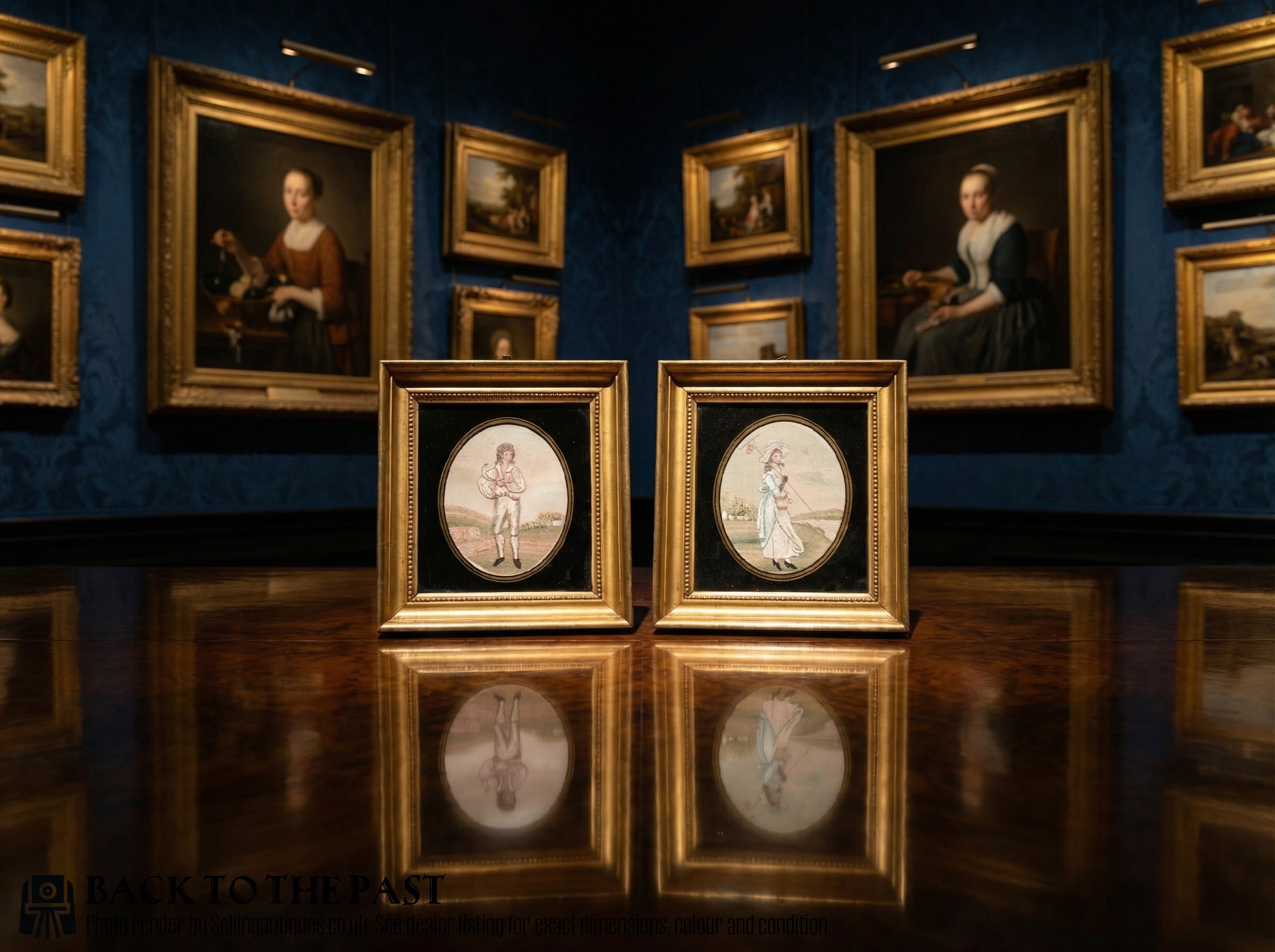
18th Century Needlework
When you search for 18th century needlework, you encounter framed textile art, maps, samplers, and upholstered furniture spanning the Georgian period and continental European workshops.
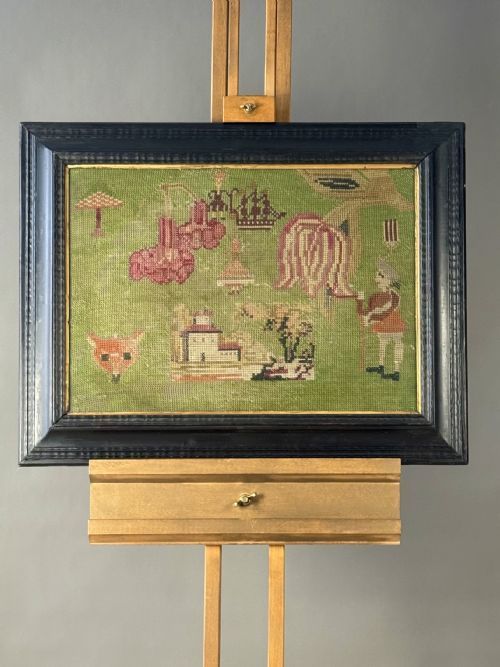
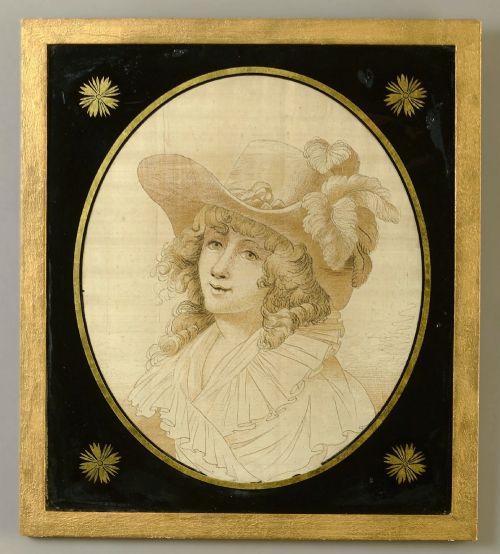
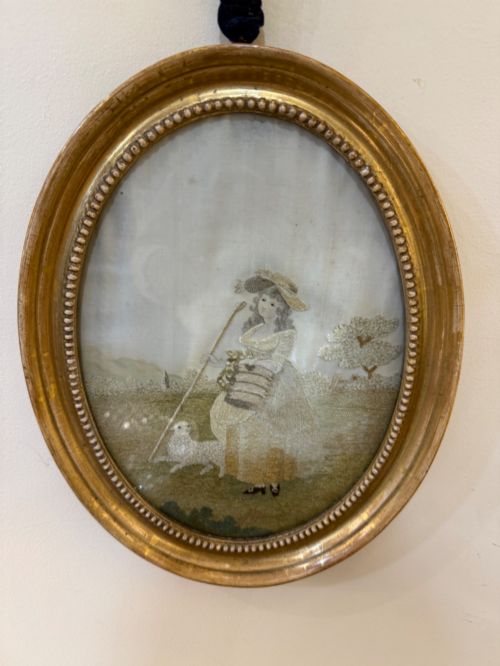
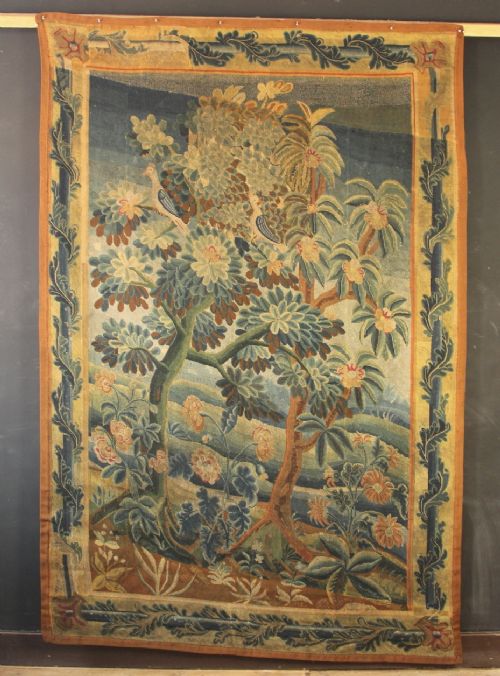
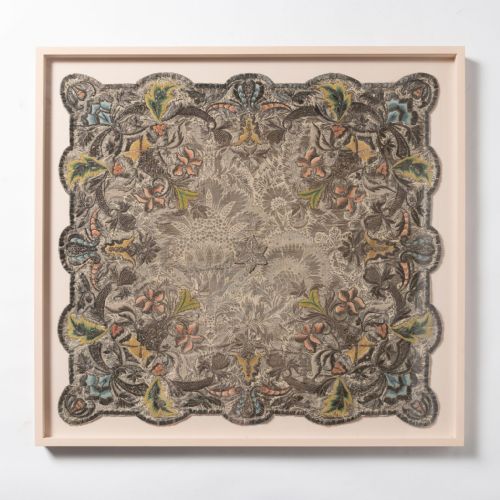
Framed needlework pictures depicting pastoral scenes, religious subjects, or portraits in silk and wool dominate the current selection alongside alphabet samplers.
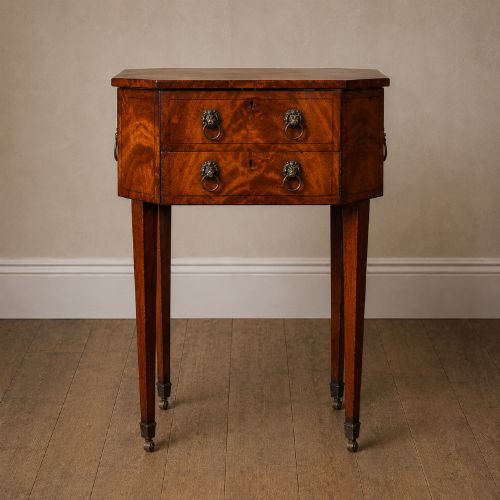
Domestic furnishings such as fire screens, work tables, and armchairs also appear with period needlework panels and upholstery.
Materials and construction
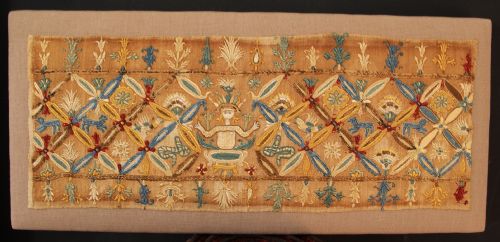
Maker's materials combine silk, wool, and linen grounds stitched with silk floss and occasionally metal threads for highlights.
Frames utilise mahogany, satinwood, walnut, and giltwood, sometimes framing reverse glass prints or protecting textiles behind glass.
Needlework panels were executed by hand, often mounted into frames or integrated directly into furniture like pole screens and chair seats.
18th Century Needlework Retail Price Guide 2026
Typical asking prices for 18th century needlework among the pieces listed under this phrase on Sellingantiques today, from the lower quarter to the upper quarter. They describe what is for sale here now, not the wider market.
Listings include architectural maps, pastoral farming scenes, and silk portraits mounted in period mahogany, satinwood, and giltwood frames.
Assessing quality
Quality rests upon the fineness of the stitchwork, the complexity of the pictorial composition, and the preservation of the original silk and wool colours.
Superior examples demonstrate meticulous control over facial expressions in portraits and botanical accuracy in floral borders.
The integration of the textile into its period frame or furniture mount dictates the overall integrity of the piece.
Charles Tozer·Mary Greening·Sarah Reading·Susan Mary Williams
The 18th Century Needlework Glossary
- Sampler
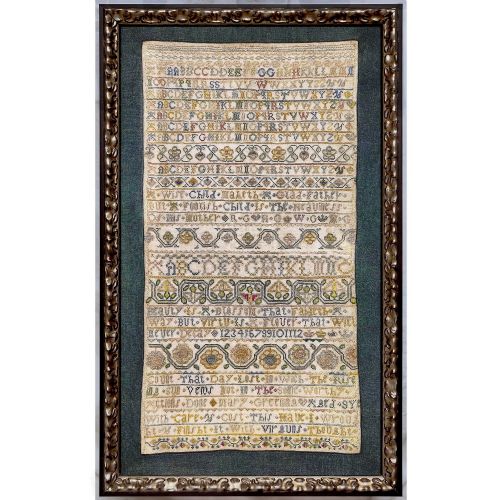
- A piece of canvas or linen worked with various stitches, alphabets, or motifs to demonstrate the maker's skill. These often include dates and maker names.
- Band sampler
- An early form of sampler featuring horizontal rows of distinct patterns and motifs arranged in bands. They originated in the sixteenth century and persisted into later periods.
- Work table
- A small piece of furniture designed for sewing and needlework, often equipped with drawers, compartments, or hanging bags. These tables frequently date to the George III period.
- Pole screen
- A standing fire screen with an adjustable vertical panel designed to protect a person's face from the heat of a fireplace. The panel frequently displays needlework.
- Giltwood
- Wood that has been coated with a thin layer of gold leaf. Frames and furniture mounts of this type frequently accompany fine silk embroideries.
18th Century Needlework: Frequently Asked Questions
What subjects appear in these pictures?
Needlework pictures from this era depict pastoral farming scenes, religious verses, maps of England and Wales, and fashionable portraits. Silk embroidery brought these subjects to life with varied stitches.
Makers also worked botanical subjects, birds, and architectural landmarks like Claremont House onto linen or silk grounds.
How do I care for silk embroidery?
Protect silk and wool needlework from direct sunlight to prevent the fading of delicate threads. Keep them behind glass where possible to shield the textiles from dust and atmospheric moisture.
Avoid hanging framed panels in damp rooms or near heat sources like fireplaces to preserve the integrity of the original backing fabric.
Were samplers made by children?
Many samplers were worked by young girls as part of their education in needlecraft and literacy. These pieces typically display alphabets, numbers, and pious verses alongside decorative motifs.
Signatures, dates, and institutional names like the Lozells Establishment frequently appear on these works to record the maker and location.
How are fire screens used today?
Pole screens originally stood near hearths to shield faces from excessive fireplace heat. Today, they function as decorative vertical art pieces in reception rooms.
The adjustable needlework panel allows the textile to be viewed at eye level while standing or sitting.