




18th Century Locket
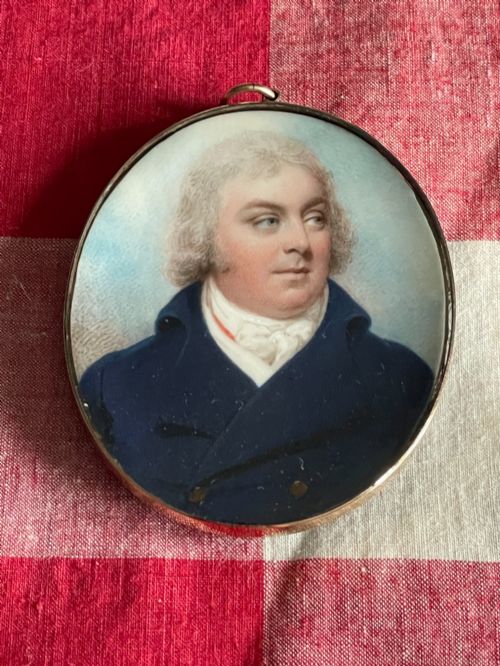
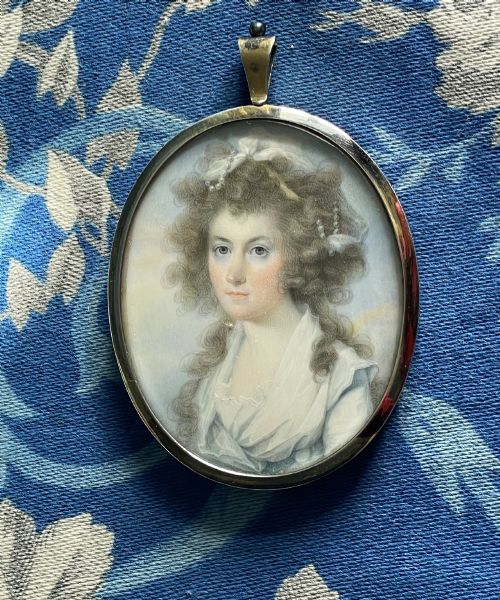
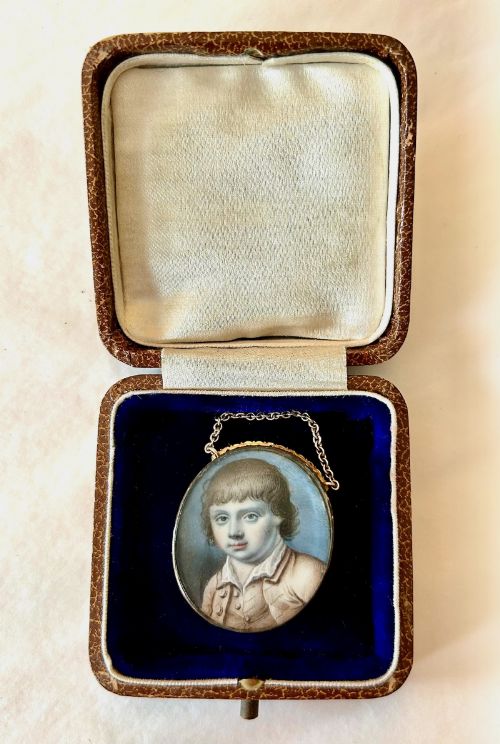
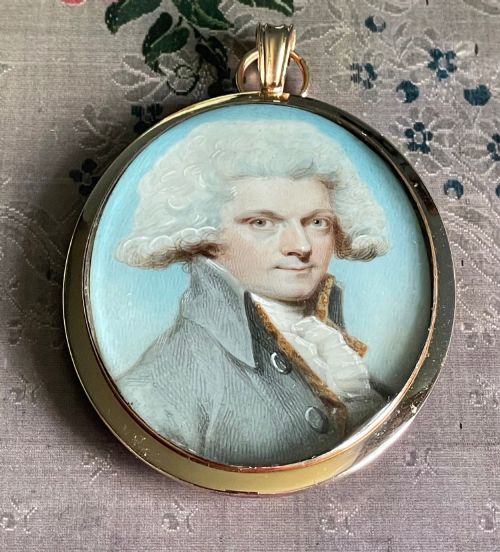
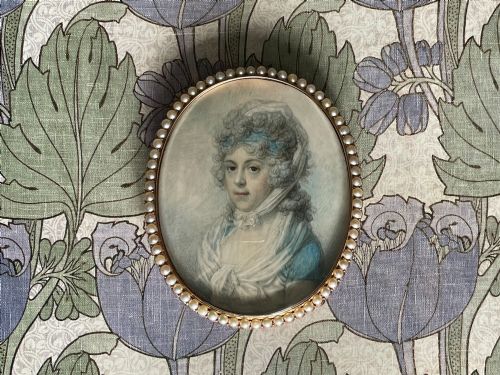
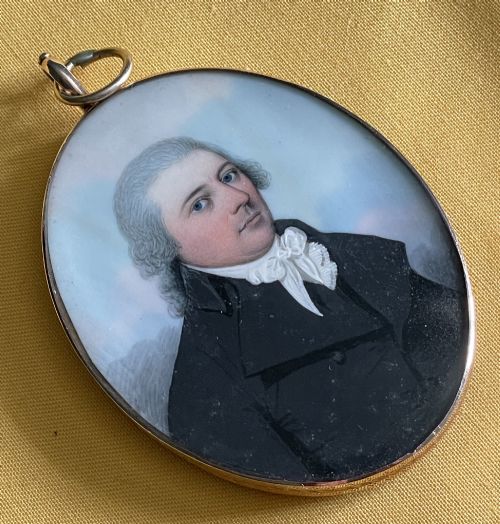
An 18th century locket holds a hand-painted miniature portrait under glass, prized for intimate portraiture and fine gold framing.
18th Century Locket
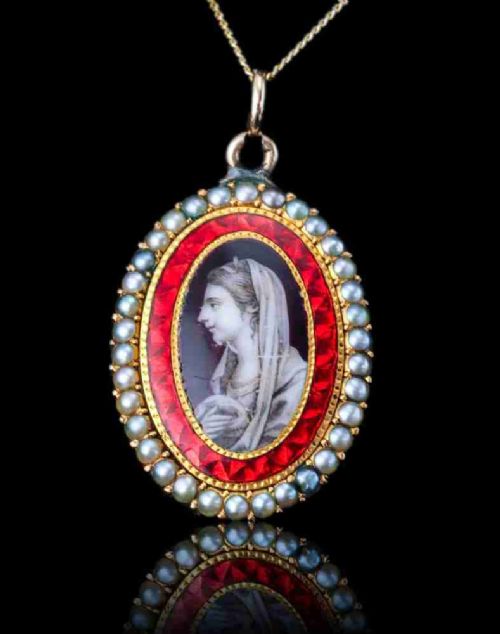
An 18th century locket typically takes the form of a pendant necklace or miniature painting set within a precious metal frame. These pieces often house delicate portraits rendered in watercolour, enamel, or pigment.
The selection here draws heavily from the Georgian and Regency eras, spanning periods from seventeen hundred through the early nineteenth century. Buyers encounter both silhouette jewellery and finely detailed painted likenesses.
Most examples combine portrait miniatures with gold frames, frequently featuring subjects ranging from named gentlemen to naval officers and family groups. These wearable artworks serve as intimate historical records.
Materials and construction methods
Maker construction relies on gold, copper, and glass to protect delicate interior artwork. Frames are wrought in fourteen-carat and eighteen-carat gold, alongside lower-carat gold variations.
Artists painted directly onto ivory, vellum, agate panels, and glass using watercolour and pigment. Enamel techniques provided durable, glossy finishes for portrait miniatures.
Silhouettes formed another distinct branch of production, executed on glass or backing materials. Protective glass covers secured these fragile painted surfaces within their metal housings.
18th Century Locket Retail Price Guide 2026
Typical asking prices for 18th century locket among the pieces listed under this phrase on Sellingantiques today, from the lower quarter to the upper quarter. They describe what is for sale here now, not the wider market.
Materials recorded include gold, glass, ivory, enamel, vellum, and agate panels.
Distinguishing quality across pieces
The framing material and casing construction also separate standard pieces from the finest works. Heavier gold frames with secure bezels and original backing glasses represent higher tier craftsmanship.
Henry Bone ARA·Charles Shirreff·Richard Cosway·John Miers·Frederick Buck·Charles Hayter·Christian Friedrich Zincke·Nicolas Freese·Elizabeth Hudson·George Engleheart·James Ferguson·William Grimaldi·Edward Pugh·Samuel Cotes·John Barry
The 18th Century Locket Glossary
- Portrait Miniature
- A small, highly detailed painting, usually executed on ivory, vellum, or card. These works required immense skill due to their diminutive scale.
- Enamel
- A glassy substance fused to a metal substrate through firing. This technique offered vivid, permanent colour for portraiture.
- Silhouette
- A solid black profile portrait, often cut from paper or painted on glass. Silhouette jewellery gained popularity during the Georgian period.
- Pendant
- An ornament suspended from a necklace. In this category, pendants house miniature paintings and lockets.
- Agate Panel
- A polished slice of semi-precious stone used as a painting surface. Artists utilised its natural grain and colour within the composition.
18th Century Locket: Frequently Asked Questions
What is inside an 18th century locket?
These pieces usually contain a hand-painted portrait miniature or silhouette under glass. Subjects include gentlemen, ladies, naval officers, and family groups.
Paintings utilise watercolour on ivory, vellum, agate, or enamel. The reverse sometimes holds woven hair or monograms.
How do I date an 18th century locket?
Dating relies on costume details, hair styles, and painting techniques visible in the miniature. Frames and mounting styles also provide chronological clues.
Georgian and Regency fashions changed rapidly, helping narrow down the decade of creation.
How were these lockets worn?
Owners wore them suspended from chains as pendant necklaces close to the heart. Some pieces functioned primarily as portrait miniature jewellery.
They served both as personal keepsakes and public displays of status or affection.
Are these pieces made of solid gold?
Frames vary in metal purity, including fourteen-carat and eighteen-carat gold, as well as lower-carat options. Copper also appears in supporting elements.
Testing and hallmarks help determine the exact metal composition of each frame.