


18th Century Kitchenware
These 18th century kitchenware pieces are practical domestic utensils forged from copper, brass, iron, and wood, built to handle daily hearth work.
18th Century Kitchenware
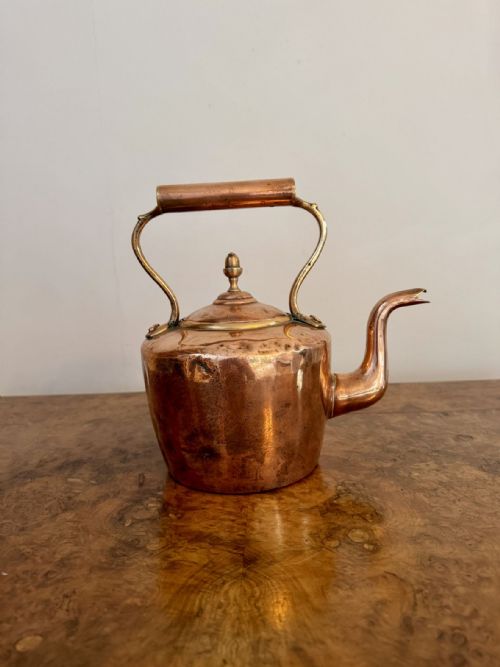
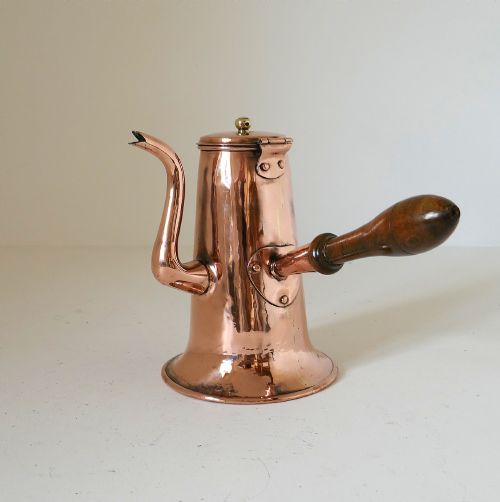
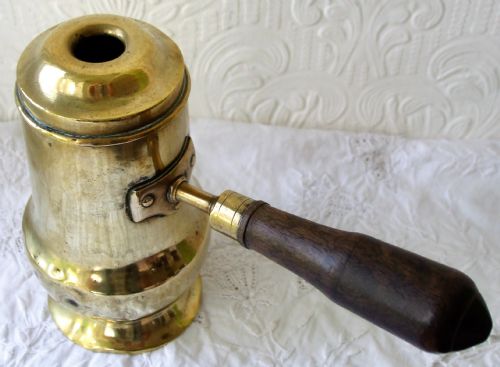
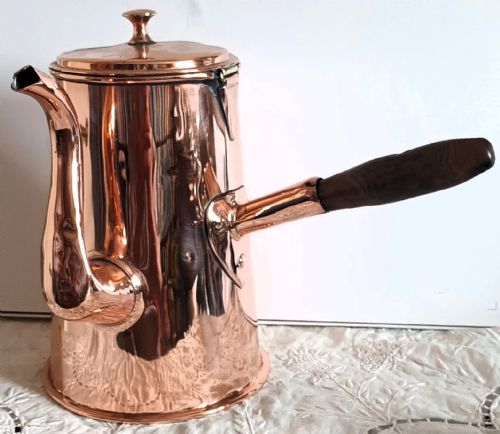
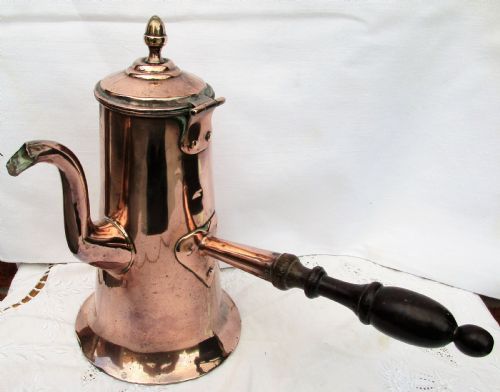
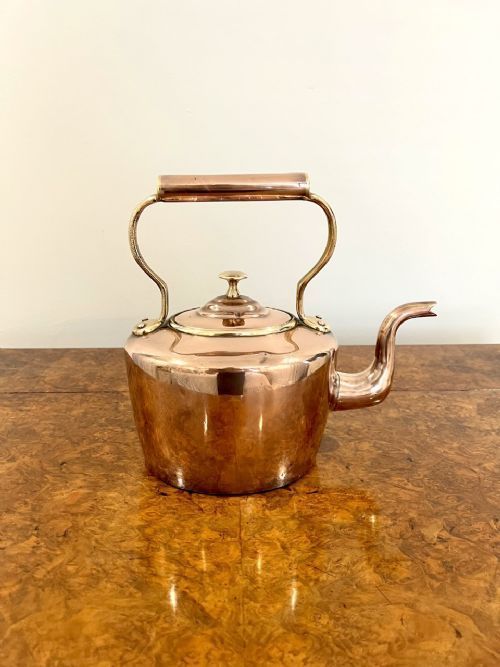
When you search for 18th century kitchenware, you find functional domestic items spanning the seventeenth, eighteenth, and nineteenth centuries. The selection on this page consists principally of copper kettles, coffee pots, and bronze mortars from the Georgian period.
Domestic utensils also include treen fruitwood items, oak salt boxes, and iron hardware. These survivors of the hearth reflect the utilitarian demands of earlier kitchens.
How they were made
Metal items rely on hammered copper and cast brass or bronze, shaped for heat distribution over an open fire. Iron hardware provides durable fixings and fastenings.
Wooden objects utilise fruitwood, oak, beech, and pine, turned or carved by hand to create kitchen tools like spoons, corers, and boxes.
Materials span copper, brass, iron, and various hardwoods like oak and fruitwood.
What varies in quality
Quality depends on the integrity of the metalwork, the weight of the copper or bronze, and the retention of original fixings. Thicker metal withstands heavy hearth use and retains cleaner lines.
Surface preservation separates standard survivors from superior examples. Traces of original red paint on wooden boxes and minimal distortion in kettles indicate careful handling over centuries.
The 18th Century Kitchenware Glossary
- Treen
- Small handmade wooden household objects. This term covers fruitwood apple corers and beechwood basting spoons.
- Mortar and Pestle
- A heavy bowl and club used for crushing spices and ingredients. Examples appear in bronze and heavy stone or metal.
- Measure
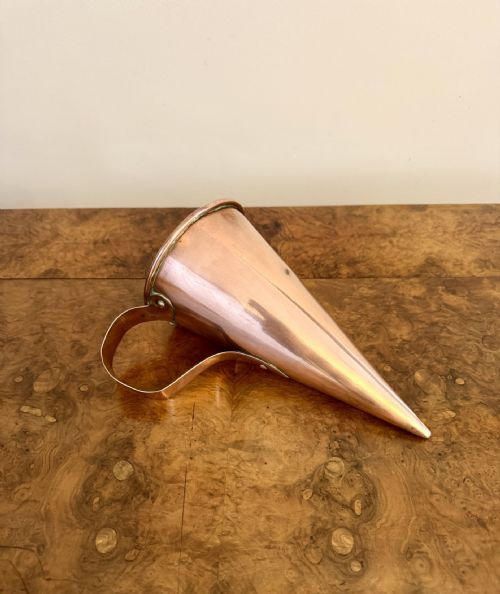
- A standardised vessel for liquids. George III copper examples demonstrate precise capacity requirements.
- Spice Shaker
- A perforated container for dispensing seasonings. Brass versions often feature decorative piercing.
18th Century Kitchenware: Frequently Asked Questions
What is 18th century kitchenware?
These items are domestic utensils and vessels used for cooking, food preparation, and storage in historical homes. They include copper kettles, coffee pots, mortar and pestles, and wooden treen.
Most surviving pieces originate from the Georgian period and the eighteenth century. They were built for daily use rather than display.
How were copper kettles used?
Copper kettles sat directly on hearth fires or near hot coals to heat water for tea and general kitchen tasks. Their side handles and spouts allowed safe pouring.
Over time, exposure to open flames created distinct patinas on the metal surfaces.
What is treen kitchenware?
Treen refers to small domestic objects carved or turned from wood. The category includes items like apple corers, basting spoons, and knife sharpeners.
Makers utilised local timbers such as fruitwood, beech, and pine.
How do I identify a George III piece?
George III items typically date from the late eighteenth or early nineteenth century. They display the characteristic proportions and metalworking techniques of that era.
Constructed from copper, brass, or wood, they often feature simple forms designed for utility.