




18th Century Italian Master
An 18th century italian master brings centuries of historic European painting and drawing into a room through religious subjects and classical myth.
18th Century Italian Master
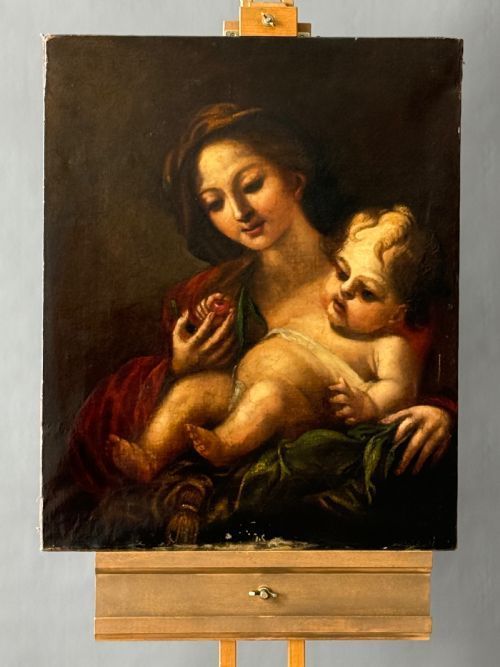
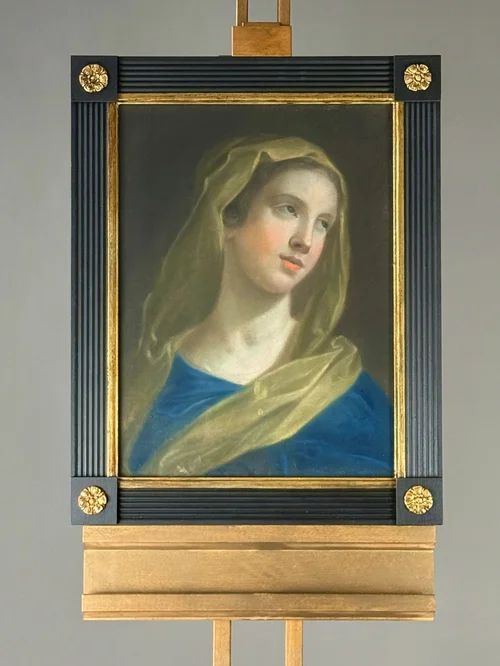
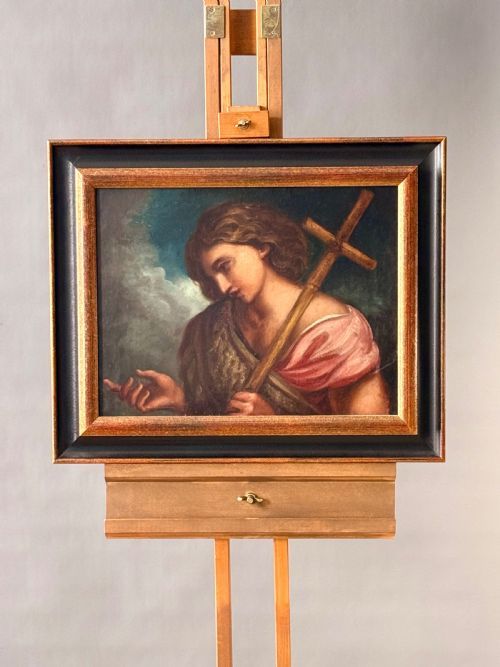
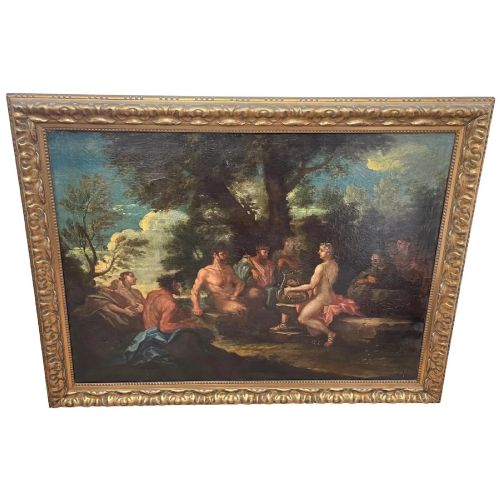
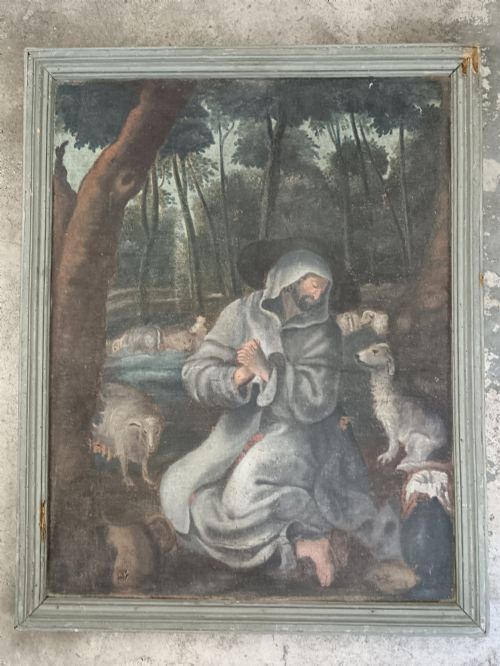
When you search for an 18th century italian master, you encounter oil paintings, fine art works on paper, and framed engravings created across the Italian peninsula during the seventeen-hundreds. These works span the Baroque, Classical, and Neoclassical traditions, capturing religious figures, mythological scenes, and architectural subjects.
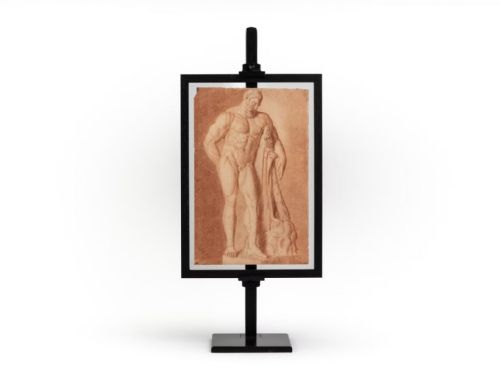
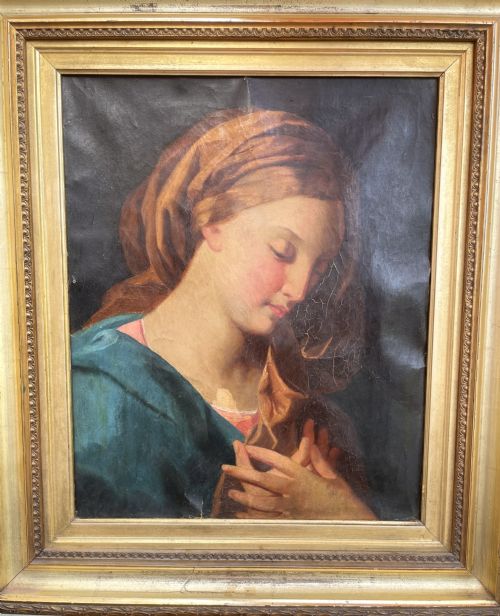
The pieces on this page are dominated by oil on canvas paintings and expressive drawings in red chalk, charcoal, and pastel. Subjects range from depictions of the Madonna and child to sweeping landscapes and papal portraits.
Buyers seeking these works often look for pieces tied to specific regional schools such as the Emilian tradition or created within the circles and workshops of known period painters. Surviving frames, particularly carved giltwood examples, frequently accompany the canvases and drawings.
Materials and Techniques
Painters of this period typically applied oil pigments onto stretched canvas, often utilising wood panels or paper supports for preparatory studies and drawings. Charcoal and red chalk served as primary media for capturing anatomical detail and portrait studies on paper.
Works on canvas frequently demonstrate the layered buildup of oil paint characteristic of the period, sometimes revealing underlying changes known as pentimento where the artist adjusted the composition during creation. Original giltwood frames complement many of the paintings, showing period joinery and gilding techniques.
Listings feature oil on canvas, paper supports, and charcoal drawings framed in period giltwood.
Markers of Quality
Quality in these works rests upon the confidence of the draughtsmanship and the handling of pigment across the canvas or paper. Strong anatomical definition, expressive faces, and dynamic composition separate accomplished studio pieces from simpler provincial works.
The preservation of the original surface, the stability of the canvas and ground layers, and the presence of a period frame contribute significantly to the standing of a piece within this category.
Benedetto Luti·Francesco Solimena·Bartolomeo Schedoni·Francesco Zuccarelli·Antonio Tempesta·Pio Panfili·Pompeo Batoni·Giacomo Nani·Giovanni Ottaviani
The 18th Century Italian Master Glossary
- Pentimento
- An alteration in a painting evidenced by visible traces of previous work beneath the current layer. This occurrence shows the artist changing their mind about a line or position during the painting process.
- Recto and verso
- The front and back sides of a sheet of paper or drawing. Works carrying sketches on both sides offer insight into the working methods of the artist.
- Giltwood
- Wood that has been coated with a thin layer of gold leaf or powder. Period frames utilise this material to create ornate borders around canvases.
- Emilian school
- An art historical grouping referring to painters working in the Emilia-Romagna region of Italy. Artists from this tradition contributed distinct regional styles to religious and historical subjects.
- Old master
- A term applied to skilled European painters working before the modern era. These practitioners typically operated within structured workshop systems.
18th Century Italian Master: Frequently Asked Questions
How do I care for an old master oil painting?
Keep paintings away from direct sunlight and sudden shifts in room temperature to protect the canvas and oil pigments from cracking.
Dust the surface gently with a soft, dry brush and avoid applying liquid cleaners to the paint layer.
What is the difference between a studio piece and an original painting?
Paintings by the master's own hand were executed directly by the named artist, while studio works involved assistants and pupils working under supervision.
Both categories reflect the aesthetic standards and techniques of the period workshop.
How should works on paper be displayed?
Drawings in charcoal and red chalk require framing behind glass with acid-free mounts to protect the fragile paper from atmospheric damage.
Position these works in subdued lighting to prevent the fading of chalk and ink over time.
Can I identify the specific school of an unsigned painting?
Stylistic markers, handling of light, and regional pigment choices often point toward specific artistic traditions like the Emilian or Venetian schools.
Comparing compositional elements with documented works helps narrow down the probable origin.