
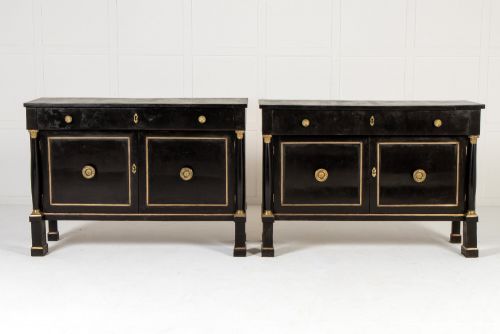
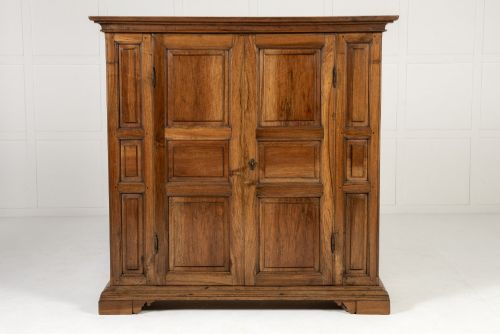
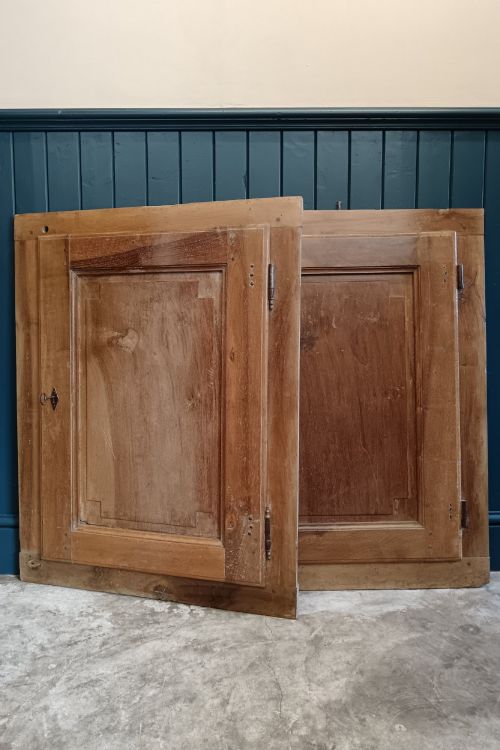


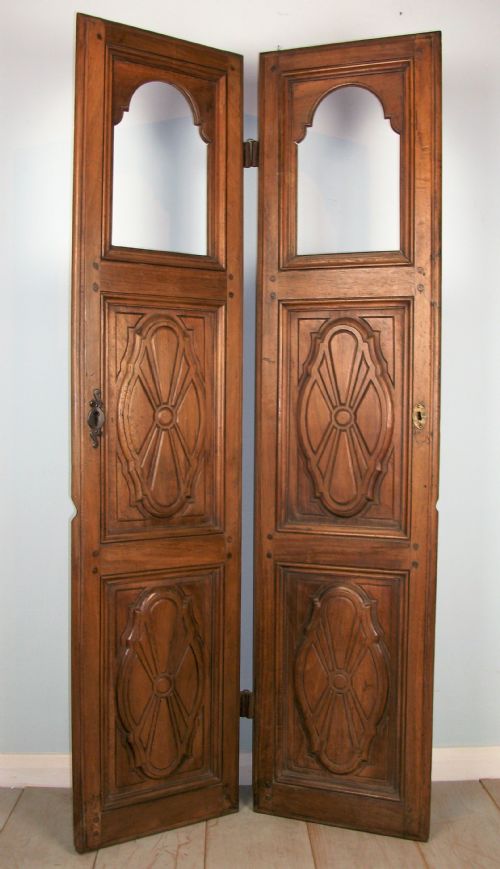


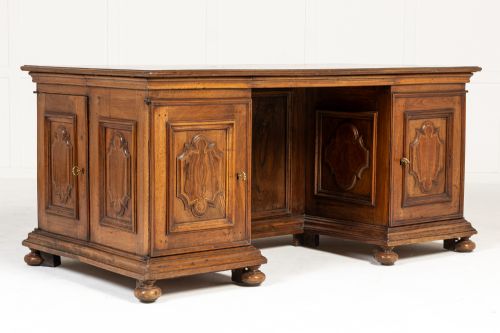


18th Century Italian Cupboard
An 18th century italian cupboard brings substantial walnut timber, painted finishes and architectural presence to a room.
18th Century Italian Cupboard
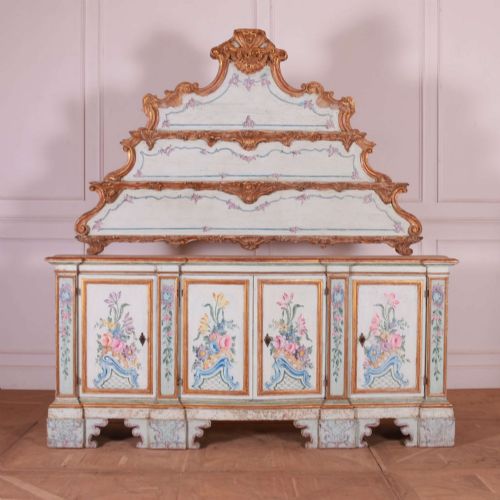
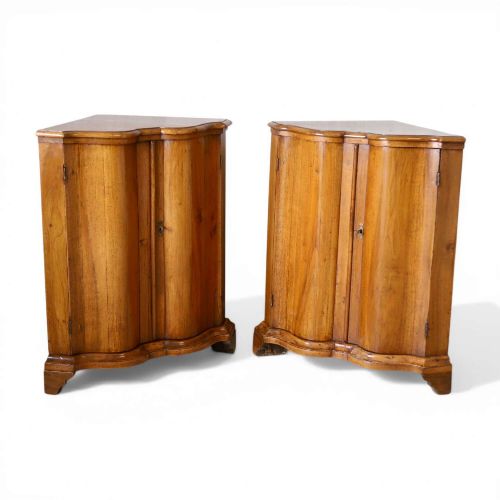
When you search for an 18th century italian cupboard, you encounter a range of heavy storage furniture spanning corner cabinets, sideboards, commodes and bedside chests. Walnut dominates the selection, accompanied by painted wood surfaces and specialised forms like apothecary cabinets.
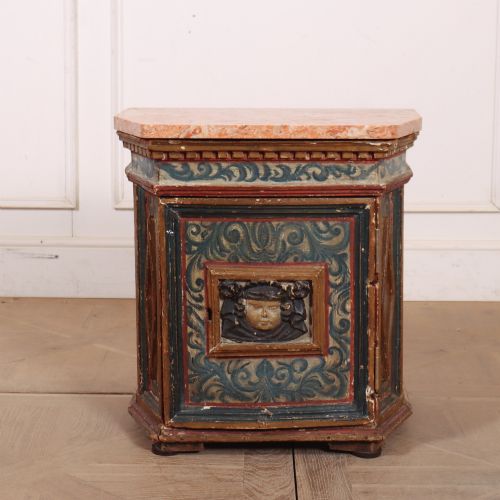
The inventory includes regional pieces from Tuscan and Venetian traditions, alongside architectural salvage items such as cupboard doors and panels. Makers and craftsmen of the period produced both grand serpentine chests and practical pedestal cupboards for domestic interiors.
Materials and construction
Cabinet makers relied heavily on solid walnut, burr walnut and fruitwood, often building robust frames and panelled doors using traditional joinery. Ebonised wood and gesso provided contrasting dark tones or prepared surfaces for decorative painting.
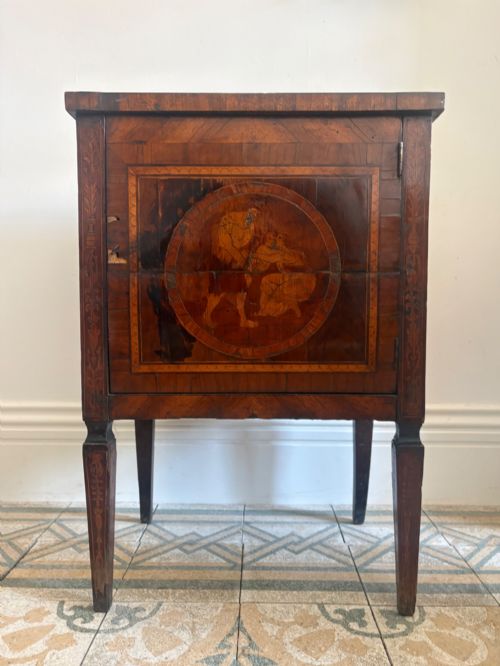
Surface ornamentation involved intricate inlaid marquetry and hand-applied painted finishes. Hardware relied on functional brass and iron fixtures to secure doors and drawers.
Assessing quality
The distinction between standard utility items and finer examples rests on the choice of timber and the complexity of the surface work. Burr walnut veneers and detailed marquetry inlay require advanced skill, elevating the visual weight of a commode or sideboard.
Original painted surfaces and untouched patination carry more weight than later restorations or surface refinishing. The integrity of original panelled doors and architectural mouldings dictates the historical standing of each cabinet.
The 18th Century Italian Cupboard Glossary
- Marquetry
- The art of applying pieces of veneer to a structure to form decorative patterns. Craftsmen utilised different wood tones to create pictorial or geometric designs on tabletops and drawer fronts.
- Commode
- A low chest of drawers or cabinet standing on legs or feet. These pieces functioned as bedside storage or principal room furniture during the period.
- Gesso
- A plaster mixture used as a smooth base for painting or gilding on wood surfaces. It provided a solid ground for decorative pigments.
- Serpentine
- A furniture front or surface curving outward at the centre and inward at the sides. This shape demands precise woodworking to achieve fluid lines.
- Pedestal cupboard
- A compact, vertical storage unit raised on a central base or pedestal. Tuscan workshops produced these sturdy forms for domestic utility.
18th Century Italian Cupboard: Frequently Asked Questions
How do I identify a Venetian painted cabinet?
Venetian pieces often feature distinct painted decoration reflecting regional rococo or neoclassical tastes. The surviving pigment and brushwork offer direct visual clues to their geographic origin.
Examine the wood beneath losses in the paint to confirm the age of the substrate and the authenticity of the decorated surface.
Where were corner cabinets placed in 18th-century homes?
Standing and hanging corner cabinets maximised floor space in smaller rooms or transitional hallways. They held household wares, linens or decorative items out of the main traffic flow.
Their triangular footprint allowed them to fit snugly into architectural angles without cluttering the centre of the chamber.
What is the difference between a commode and a sideboard?
A commode is typically a lower chest of drawers used for bedside or general storage, whereas a sideboard functions as a larger serving or storage credenza in dining spaces. Both forms utilise walnut and feature panelled construction in regional Italian designs.
Proportion and internal configuration distinguish their original domestic roles within the household.
How should I care for an antique walnut surface?
Protect antique walnut from direct sunlight and sudden temperature shifts to prevent timber movement. Apply microcrystalline wax sparingly to nourish the grain without building up sticky residues.
Avoid using modern chemical polishes that can degrade the historic patination accumulated over centuries.