




18th Century Irish Silver
These pieces of 18th century irish silver bring tangible Georgian craftsmanship and distinct provincial hallmarks to your collection.
18th Century Irish Silver
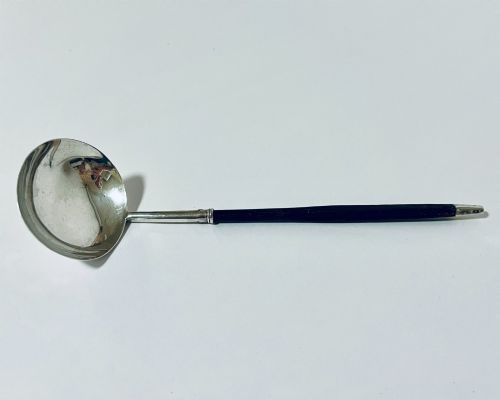
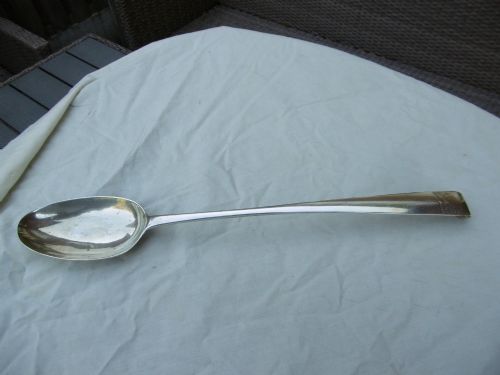
When you search for 18th century irish silver, you encounter functional dining and domestic items spanning the Georgian era, including spoons, bowls, platters, and serving tables. These artefacts record the output of silversmiths working under specific regional laws and hallmarking traditions in Ireland.
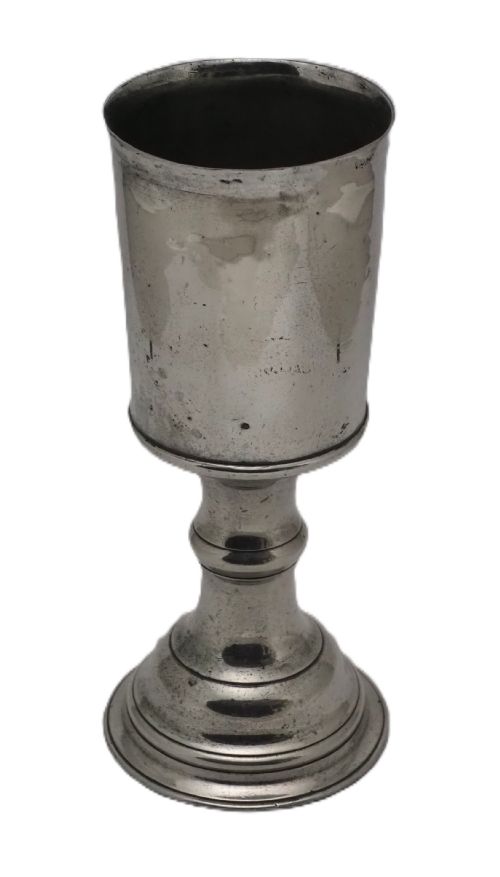
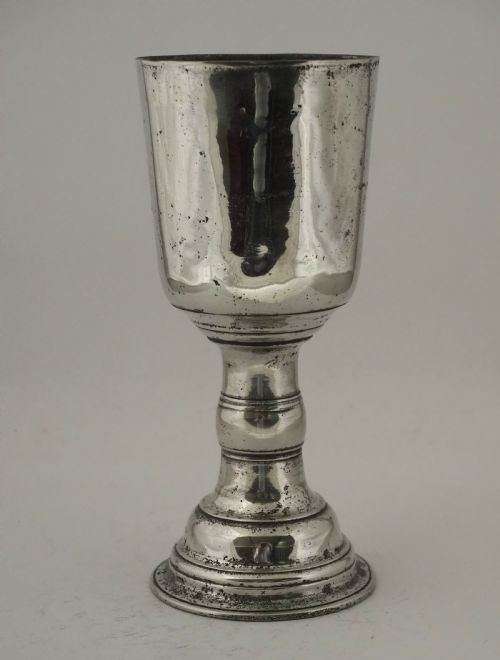
The objects reflect the material culture of the eighteenth century, incorporating sterling silver alongside related items such as pewter chalices and flintlock pistols mounted in silver. Each piece represents a documented category of antique production originating from Irish workshops.
Materials and construction
Makers shaped sterling silver into hollowware and flatware using traditional hammering, casting, and chasing techniques. Craftsmen applied high relief ornamentation, crests, and cast borders to items like baskets, saucers, and platters.
Certain forms combine metals and timbers, notably mahogany silver tables constructed with carved wooden frames to support heavy plate. Pewter appears in utilitarian chalices, while steel and wood form components of specialised items such as flintlock pistols.
The listings combine sterling silver tableware with mahogany silver tables, pewter chalices, and walnut-stocked flintlock pistols from the eighteenth century.
Factors determining quality
The standard of 18th century irish silver depends on the crispness of the chased decoration and the legibility of the maker's marks and town hallmarks. Pieces bearing clear regional stamps and detailed armorial crests demonstrate superior provenance.
Structural integrity in complex forms, such as pierced baskets or articulated silver tables, separates standard domestic output from exceptional workshop commissions. The weight of the metal and the precision of the joinery dictate the durability of each artefact.
John Craig·Robert Breading·Michael Smith·Timothy Hughes·William Bond·J Keating·Thomas Sutton·John Hillery MacNamara·Ambrose Boxwell
The 18th Century Irish Silver Glossary
- Sterling silver
- An alloy containing ninety-two point five percent silver by mass, with the remainder consisting of copper or other metals. This standard composition forms the primary material for the hollowware and flatware listed.
- Hallmark
- An official stamp applied to precious metals to indicate purity, origin, and maker. Irish silver often bears specific town marks and assay office symbols distinct from English standards.
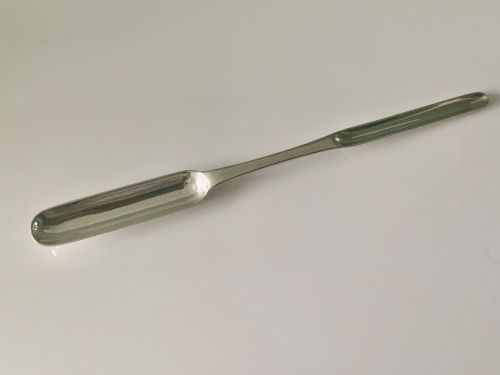
- Marrow scoop
- A double-ended utensil featuring narrow, trough-like bowls designed for extracting marrow from animal bones. These silver implements served elite dining tables during the Georgian period.
- Sauceboat
- A small open vessel with a spout and handle used for serving gravies or sauces. Examples from this period typically rest on three cast feet and feature chased scrollwork.
- Hollowware
- Tableware items such as bowls, baskets, jugs, and tea caddies that possess volume. These contrast with flatware and cutlery through their three-dimensional construction.
- Chasing
- A metalworking technique where the artisan pushes metal inward from the front using punches and a hammer to create raised designs. This method decorates many of the platters and spoons.
18th Century Irish Silver: Frequently Asked Questions
How do I identify Irish hallmarks?
Irish silver typically displays specific town marks alongside the standard purity symbols of the period. Dublin items often incorporate a figure of Hibernia.
Examine the metal surface under magnification to locate stamped maker initials and date letters that correspond to eighteenth-century registers.
What were silver tables used for?
These mahogany and silver-mounted tables served elite households as display surfaces for displaying tea services or silver plate. They functioned as central pieces of furniture in formal reception rooms.
The raised edges prevented items from sliding during use, combining structural timber work with precious metal mounts.
How should I clean antique silver?
Maintain silver surfaces by dusting gently with a soft cloth and avoiding abrasive chemical dips that strip the natural patina. Professional conservation advice preserves the historical marks.
Store items in stable humidity environments away from direct sunlight to prevent tarnishing and wood shrinkage in combined media pieces.
Are pewter chalices considered silver?
Pewter is a tin alloy rather than a precious metal, though it appears alongside silver items in historic ecclesiastical and domestic contexts. Eighteenth-century chalices utilised this durable metal for practical utility.
Inspect the material composition and weight to distinguish pewter vessels from sterling silver equivalents.