



18th Century Irish Chairs
These 18th century irish chairs bring remarkable timber and robust carving to a room, offering both history and sturdy daily seating.
18th Century Irish Chairs
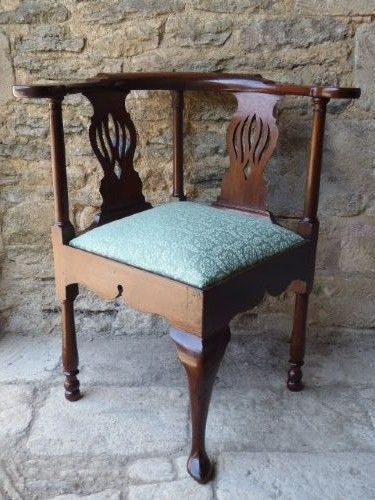
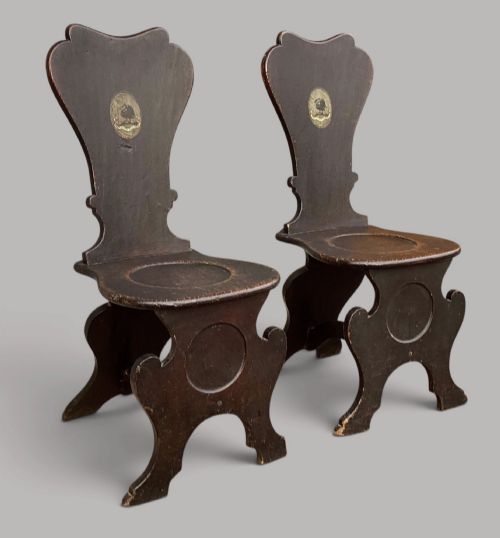
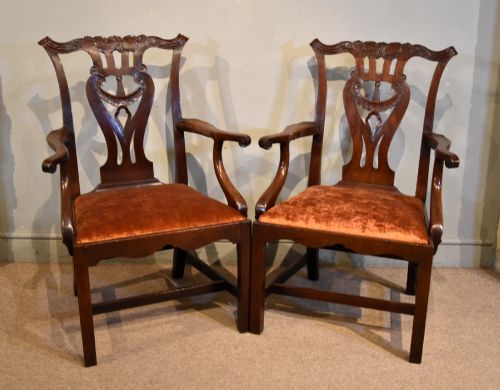
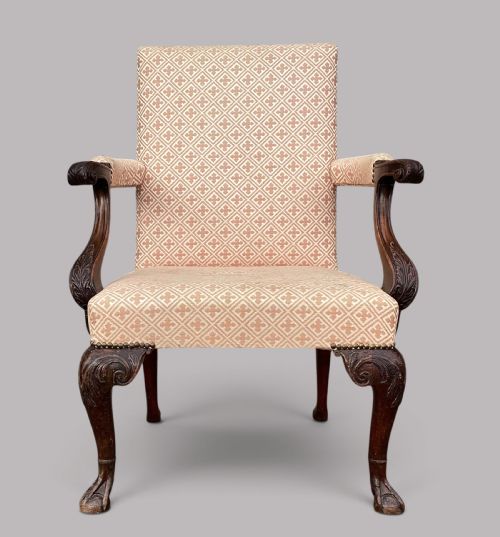
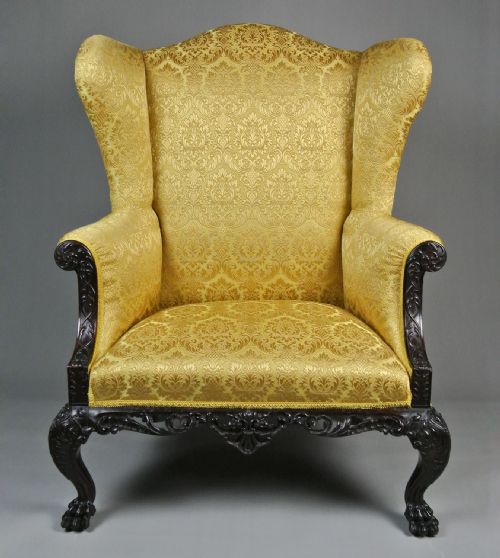
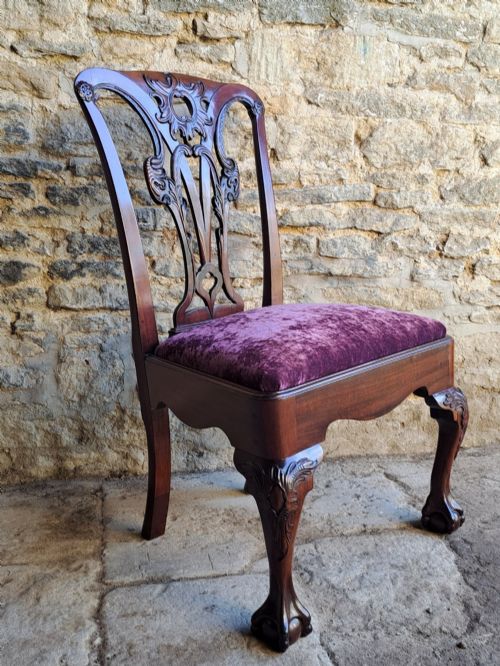
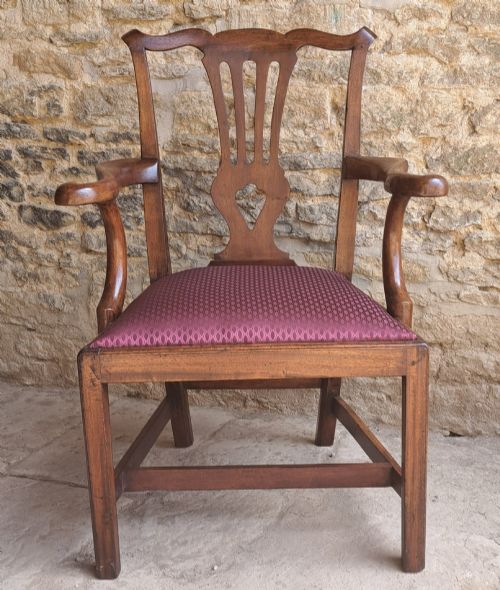
When you search for 18th century irish chairs, you encounter seating fashioned in mahogany and walnut during the Georgian era. The forms span side chairs, dining chairs, armchairs, desk chairs, and wing armchairs.
Most examples on this page date to the mid and late 1700s, featuring sturdy proportions and distinct regional carving traditions. Sets appear alongside single chairs and pairs, showing both dining and library usage.
Makers in Ireland adapted contemporary English fashions with bolder claw and ball feet, heavier splats, and deep carved shell motifs. Walnut and red walnut predominate in the earlier pieces, transitioning to rich mahogany as the century progressed.
How They Were Made
Cabinetmakers constructed these frames using dense tropical hardwoods, notably mahogany and dark walnut, selected for their weight and grain. Timber was heavily sectioned to support deep relief carving on knees and crest rails.
Joints were pinned and mortised to withstand vigorous daily use, while upholstery foundations utilised webbing and traditional stuffing covered in velvet, leather, or fabric. Brass hardware occasionally reinforced structural points on specialised seating like desk chairs.
18th Century Irish Chairs Retail Price Guide 2026
Typical asking prices for 18th century irish chairs among the pieces listed under this phrase on Sellingantiques today, from the lower quarter to the upper quarter. They describe what is for sale here now, not the wider market.
Some desk chairs hide their serious scholarly purpose behind jovial carved knuckles and suspiciously generous seat proportions.
What Varies in Quality
The distinction between ordinary and exceptional seating lies in the depth and sharpness of the timber carving. Superior examples display crisp claw and ball details and fluid lines on the splats and knees.
Originality of timber and surface patination dictate value among collectors. Later additions, such as nineteenth-century replacement chairs matching an earlier set, alter the uniformity of a group.
The 18th Century Irish Chairs Glossary
- Red walnut
- A North American walnut timber heavily imported to Ireland during the eighteenth century, prized for its warm reddish hue. It appears frequently on side chairs and armchairs from the mid-1700s.
- Splat
- The vertical wooden strip down the centre of an open chair back. In Irish seating, these are often wider and more deeply carved than their English equivalents.
- Wing armchair
- An upholstered seat featuring protective side panels designed to shield the occupant from drafts. Georgian versions often rest on carved mahogany legs with scroll or claw terminals.
- Desk chair
- A revolving or stationary seating form designed for writing cabinets. Irish examples from this period sometimes incorporate complex frame structures and brass fittings.
18th Century Irish Chairs: Frequently Asked Questions
How do I identify Irish chairs?
Irish chairs often feature heavier proportions, bolder carving on the knees and splats, and timber choices like red walnut or dense mahogany. Regional workshops favored pronounced claw and ball feet and energetic shell motifs.
Examining the underside reveals construction methods and secondary timbers characteristic of Irish cabinetmaking traditions from the 1750s onwards.
Were these chairs used for dining?
Dining chairs formed a significant part of eighteenth-century commissions, often supplied in sets or larger groups for formal houses. They provided sturdy seating around mahogany dining tables during long evening meals.
Over the centuries, individual chairs from these dining sets became separated, which explains why pairs and single side chairs survive alongside complete sets today.
How do I care for walnut chairs?
Keep wooden chairs away from direct heat sources and strong sunlight to prevent the walnut or mahogany from drying out and splitting. Maintain a stable indoor humidity level to protect both the timber and traditional glue joints.
Apply a microcrystalline wax occasionally to nourish the polished surface, avoiding modern silicone sprays that can damage historic finishes.
What is George II style?
The George II period spans the second quarter of the eighteenth century, marked by architectural furniture designs and heavy reliance on walnut and early mahogany. Carving draws heavily on baroque influences, including lion masks, heavy scrolls, and shell motifs.
Chairs from this era are characterised by solid splats, cabriole legs, and robust framing designed to project authority and substance.