
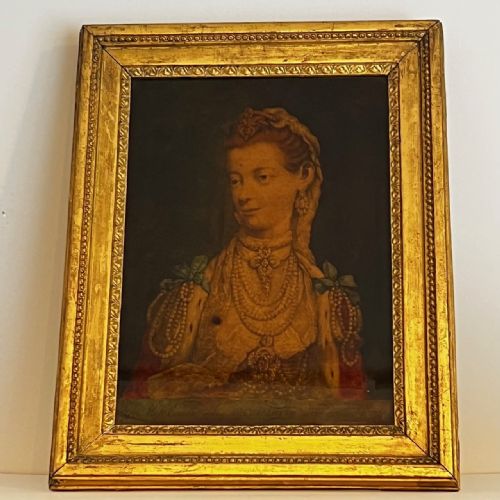


18th Century Glass Artwork
These 18th century glass artwork pieces are reverse glass prints and paintings that bring delicate Georgian portraiture and allegory directly to your walls.
18th Century Glass Artwork
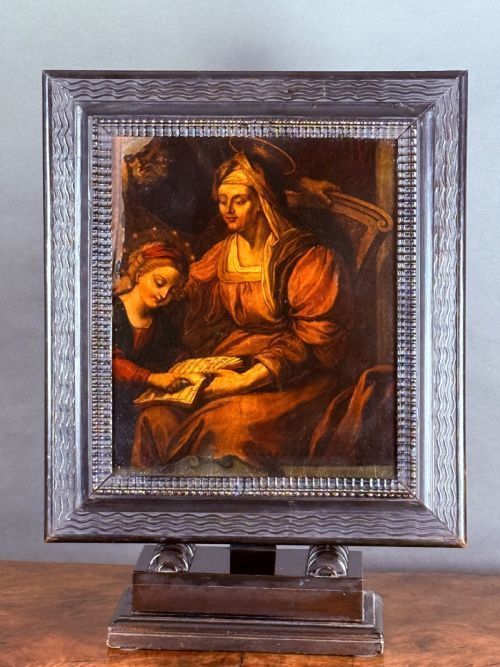
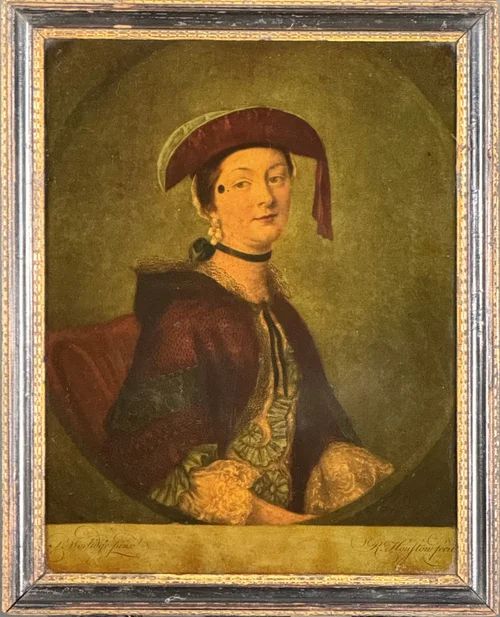
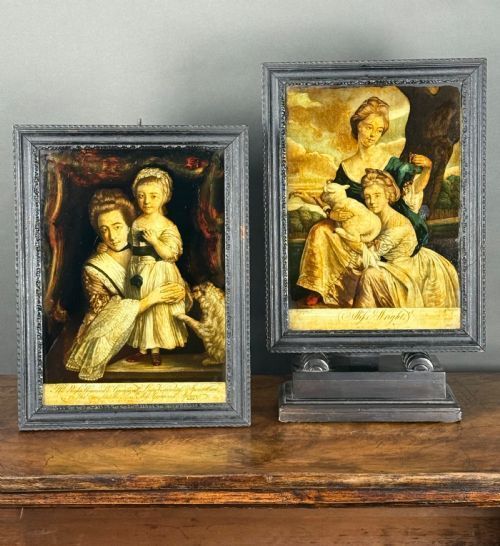
When you search for 18th century glass artwork, you are looking at historical wall art created by applying prints or pigments to the reverse side of glass plates. These works span the Georgian and Baroque periods, often depicting royal figures, mythological scenes, and seasonal allegories.
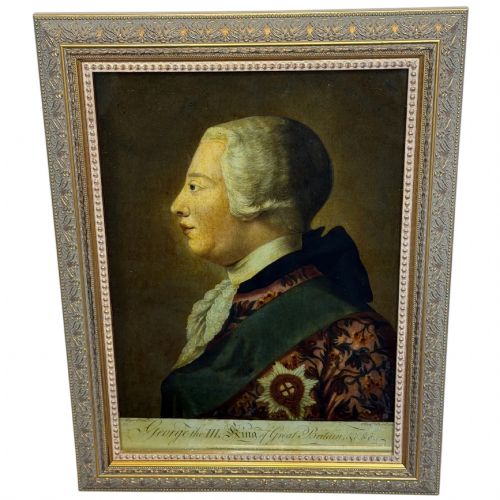
The pieces you are most likely to meet on this page include reverse glass mezzotints and framed prints after prominent artists. They frequently feature notable subjects such as Queen Charlotte, King George III, and various ladies of the manor.
Makers and publishers represented in the titles include Charles Spooner, Richard Purcell, Robert Sayer, and W. Bishop. These items combine printmaking with careful hand-colouring visible through the protective glaze.
How They Were Made
The makers produced these works using glass panels as the primary base for applying oil paint, pigment, and ink. Printers transferred mezzotint engravings face down onto the glass before the paper backing was carefully rubbed away.
Painters then applied oil pigments directly to the reverse of the transparent sheet to build up colour and depth. Artisans often mounted the finished glass plates within simple wooden or giltwood frames to secure and display the delicate artwork.
Listings feature works created using glass, wood, paper, oil paint, and giltwood frames.
What Varies in Quality
Quality in these glass artworks depends upon the precision of the mezzotint transfer and the skill of the pigment application. Finer examples display subtle tonal gradations in the faces and garments, whereas lesser pieces show heavier, less refined brushwork.
The condition of the underlying print and the integrity of the glass plate distinguish finer survivals from damaged examples. Works that retain their original framing and untouched pigment layers command greater appreciation among collectors.
Charles Spooner·Richard Purcell·Robert Sayer·W. Bishop
The 18th Century Glass Artwork Glossary
- Reverse Glass Print
- An image transferred face down onto a glass sheet and then coloured from behind. This technique protects the delicate pigments from dust and fading.
- Mezzotint
- A printmaking method that produces rich tonal shades rather than simple lines. Artisans scraped and burnished copper plates to create smooth gradients before transferring the image.
- Giltwood
- Wood carved and coated with a thin layer of gold leaf or gilt finish. It frequently surrounds Georgian picture frames.
- Baroque
- An artistic style characterised by drama and rich detail. It influences several of the earlier pieces in this category.
- Neoclassical
- A revival style drawing inspiration from classical antiquity. It appears in the decorative elements and subject matter of Georgian prints.
18th Century Glass Artwork: Frequently Asked Questions
What is an 18th century glass artwork?
These pieces are historical prints and paintings applied directly to the reverse side of glass sheets. They capture portraits, allegories, and religious scenes popular during the Georgian era.
Artisans used specialised transfer methods to lay down mezzotint engravings before hand-colouring the reverse with oil paints. This technique creates a luminous quality when viewed through the glass.
How should I hang and display them?
Display these works on interior walls away from direct sunlight to protect the fragile pigments behind the glass. Ensure your wall fixings match the weight of the traditional wooden or giltwood frames.
Handle the frames with care during placement to avoid shifting the historic glass plates. Professional framing support helps secure these delicate historical objects safely.
How do I identify a Georgian glass print?
Look for the characteristic technique of reverse painting combined with mezzotint engraving under glass. The subjects often include royalty, literary figures, and classical personifications typical of the period.
Examine the framing and backing materials for signs of age, such as early wood types and period pigments. The titles frequently reference notable 18th-century publishers and subjects.
Are these works painted or printed?
They are typically a combination of both methods, beginning with a printed mezzotint transferred onto the glass. Artists then enhanced these prints by applying oil pigments and paint directly to the reverse surface.
This dual process gives the artwork its distinct depth and sheen. The transparent glass acts as both the printing surface and the protective varnish.