



18th Century Reverse Glass
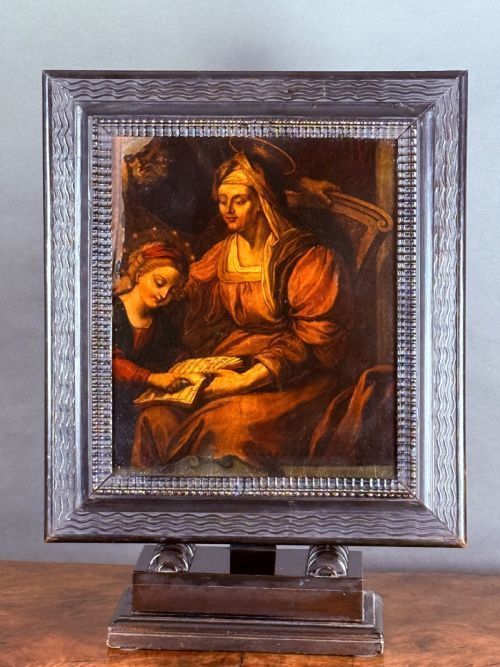
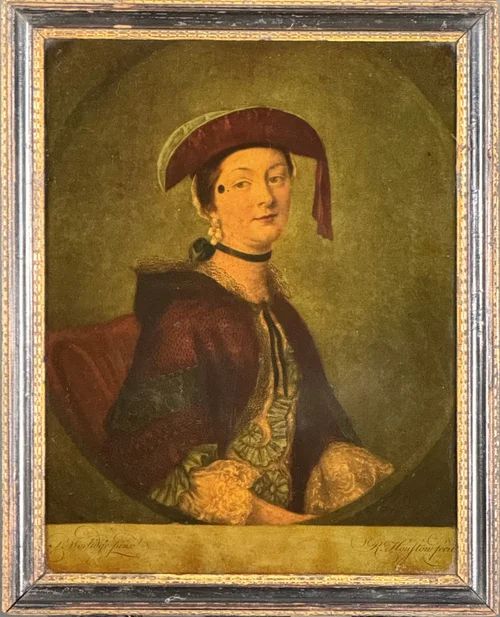
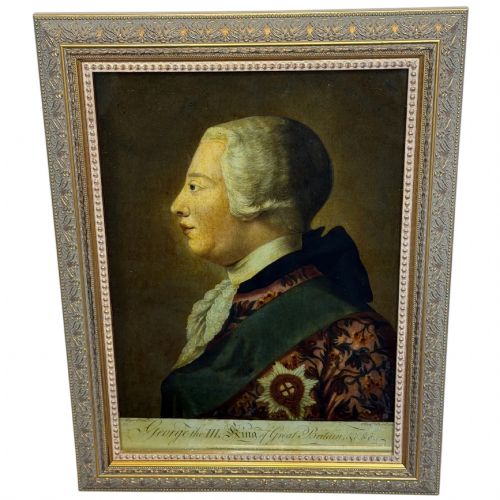
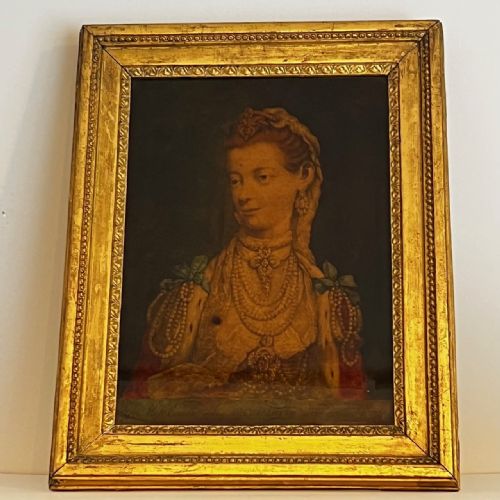
These 18th century reverse glass pieces are delicate works applied directly to the rear of the pane, prized for their luminous depth and preserved portraiture.
18th Century Reverse Glass
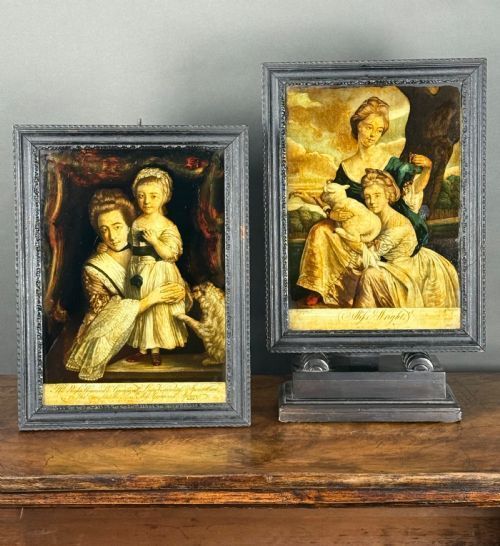
When you search for 18th century reverse glass, you encounter delicate wall art, framed prints, and miniatures executed behind transparent panes. The selection centres heavily upon Georgian portraits, religious scenes, and allegorical depictions such as the seasons.
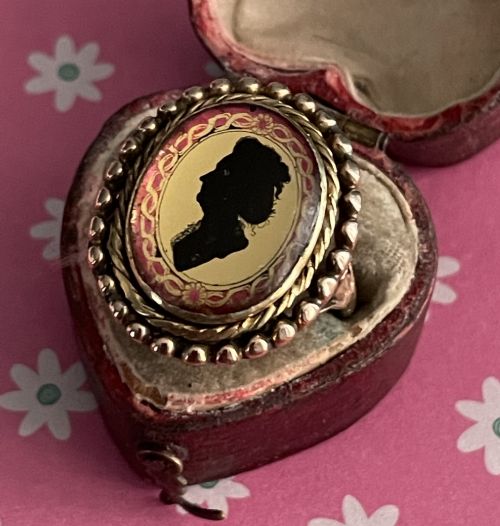
Most examples originate from the 18th century and the Georgian period, employing techniques where artists painted or applied mezzotints directly to the back of the glass. You will also find Chinese export mirrors and small silhouette rings utilising the same surface treatment.
How they were made
Craftsmen utilised glass as the primary support, applying oil paint, pigment, and paper prints face down so the image reads correctly from the front. Gold leaf often highlights the composition, catching ambient light through the transparent medium.
Makers integrated wood frames to protect the fragile glass panels, securing the delicate layers of oil pigment and mezzotint beneath the surface. This method shielded the colours from airborne dirt and direct surface abrasion.
Georgian artisans painted royalty and saints alike behind glass, creating tiny permanent portraits that survived centuries of domestic life.
What varies in quality
The sophistication of the brushwork and the precision of the transferred mezzotint separate standard works from finer pieces. Portrait likeness and the delicate application of gold leaf determine the visual impact of the composition.
Condition remains paramount, as flaking pigment or cracked glass alters the original appearance of the work. Intact original wood frames and well-preserved pigments enhance the integrity of the piece.
Sebastiaan Vrancx·Charles Spooner·Richard Purcell·Richard Phillips
The 18th Century Reverse Glass Glossary
- Reverse glass painting
- An artwork created by applying pigment directly to the rear of a glass pane so the finished image is viewed through the front. This technique protects the paint layer from environmental wear.
- Mezzotint
- A printmaking process of the intaglio family that achieves tonal gradation through roughening the copper plate. These prints were frequently transferred onto glass and subsequently hand-coloured.
- Verre eglomise
- A cold decoration technique where gold or silver leaf is applied to the reverse of glass and etched or painted. It provides a reflective, metallic background for silhouettes and miniatures.
- Chinese export
- Goods manufactured in China specifically for Western markets during the trade era. These items often combined traditional local craftsmanship with European subject matter.
18th Century Reverse Glass: Frequently Asked Questions
How do you clean them safely?
Dust the surface gently with a dry, soft cloth without applying liquid directly to the frame or glass. Moisture can seep behind the pane and disturb the delicate pigments.
Avoid commercial glass cleaners entirely because the chemicals may dissolve the old oil paint or loosen the paper backing.
Where were they displayed originally?
Owners hung these framed works in parlours and private chambers as decorative wall art to display portraits of monarchs and literary figures. Their reflective quality helped brighten dimly lit Georgian rooms.
Smaller items like rings and miniature silhouettes served as personal tokens worn close to the body.
Why do some look like prints?
Many examples utilise printed mezzotints that were glued face down onto the glass before the paper backing was carefully rubbed away and hand-coloured. This hybrid method combined mass-produced engraving with individual painted details.
Artists favoured this approach to achieve smooth flesh tones and rich drapery colours impossible with standard painting alone.
How do you date a piece?
Examine the subject matter, costume details, and framing style to align the piece with known Georgian or Regency aesthetics. Portraits of named monarchs or nobility provide a reliable chronological anchor.
The backing boards, old nails, and type of glass also offer clues to the manufacturing period.