

18th Century French Table
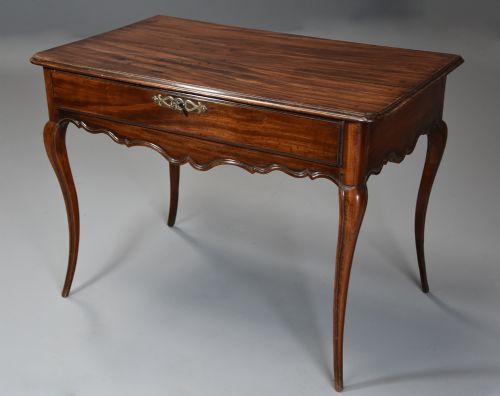
An 18th century french table brings enduring timber character and provincial craft into a room, offering a solid surface shaped by generations of domestic use.
What an 18th century french table is
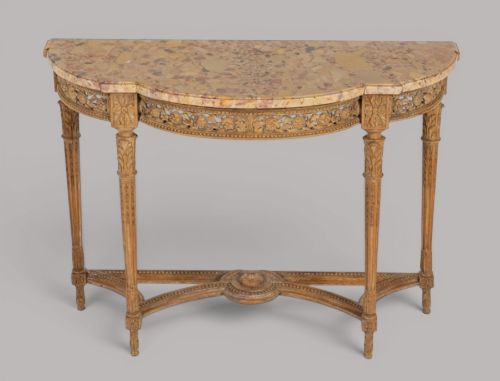
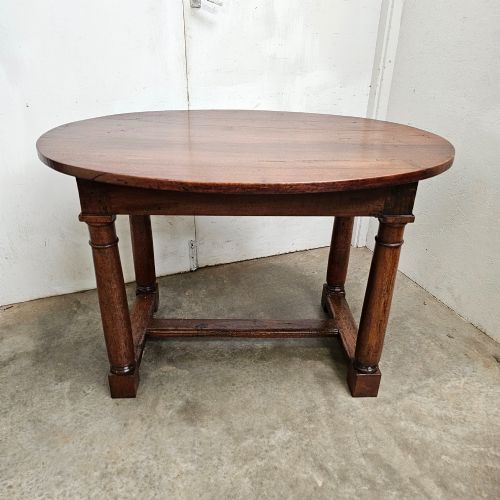
An 18th century french table encompasses a broad range of domestic forms created in timber, from robust farmhouse dining surfaces to refined console and side tables. Buyers seeking this phrase encounter sturdy provincial pieces alongside more formal styles like Louis XVI.
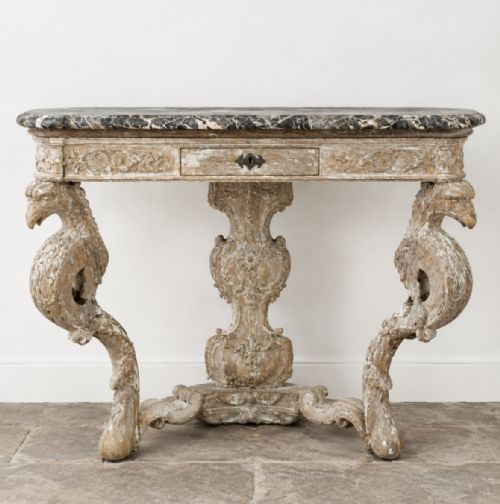
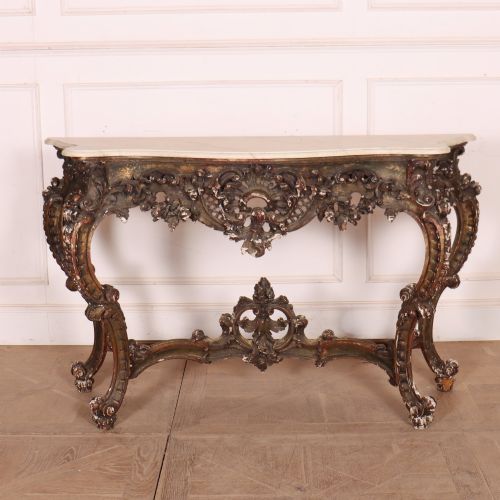
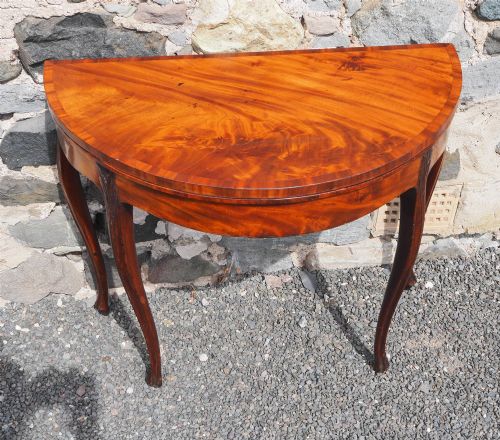
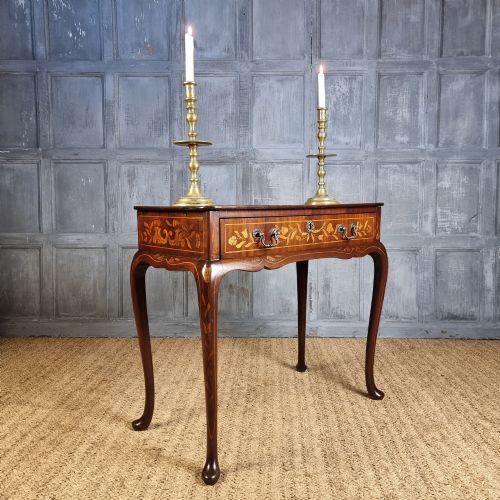
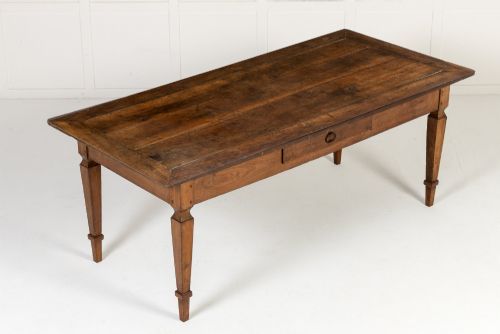
The evidence shows dining tables, farmhouse boards, console tables, and side tables constructed in regional woods and finished with marble or parquetry. Walnut, cherrywood, oak, elm, and fruitwood dominate the forms found in both current listings and past archives.
How they were made
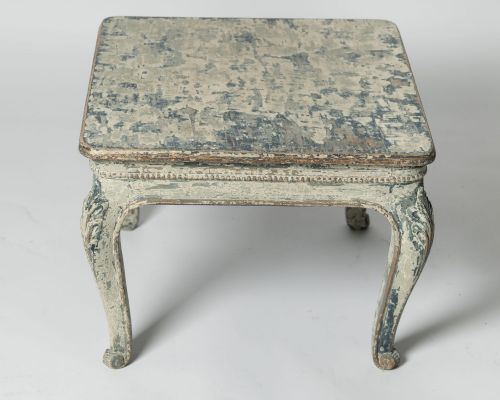
Cabinet makers utilised local timbers such as walnut, cherrywood, oak, elm, and fruitwood, shaping boards with hand tools and simple joinery. Surfaces often reveal the natural grain of the timber, sometimes enhanced with paint, giltwood, or brass accents.
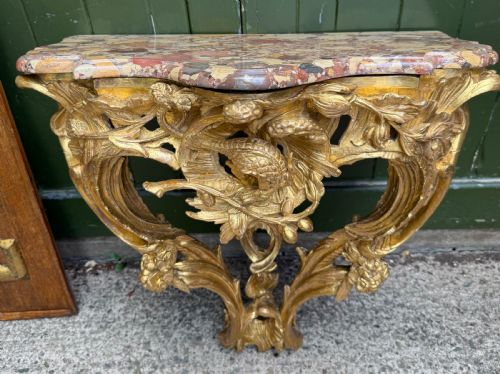
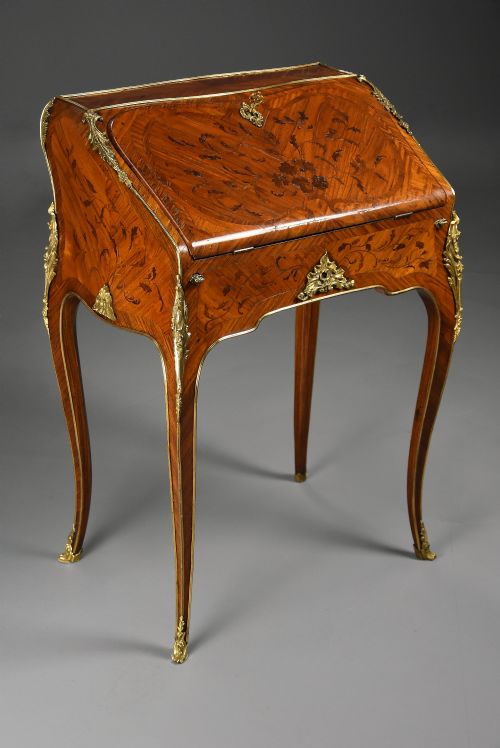
Formal variations integrate marble slabs, notably breche d'alep, fitted directly into timber frames on console and side tables. Parquetry work appears on select surfaces, arranging wood veneers in geometric patterns.
Retail Price Guide 2026
Typical UK retail prices for 18th century french table, calculated from the Sellingantiques database of over a million retail prices indexed since 2003. This retail price guide relies exclusively on Sellingantiques data; no external sources or auction records are used, so the figures do not describe the wider market.
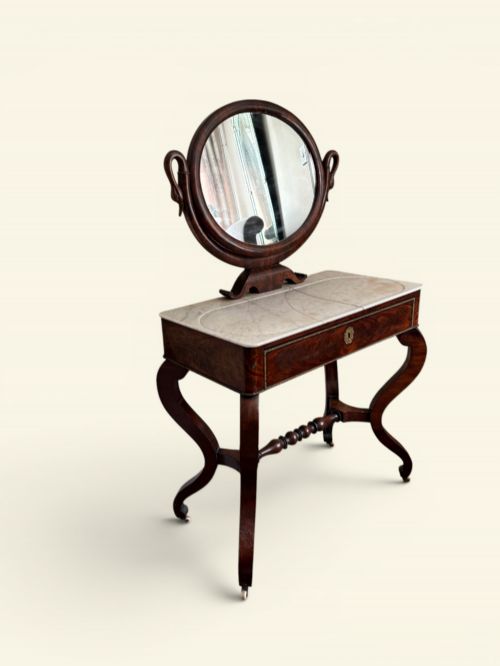
The archive reveals multiple table forms, ranging from utilitarian farmhouse boards to marble-topped console tables.
What varies in quality
Quality rests in the selection of timber and the complexity of the form, separating utilitarian boards from high-status console tables with marble tops and carved detail. Regional provincial pieces rely on honest timber thickness and sturdy joinery.
Refined examples incorporate materials like giltwood, mahogany, or kingwood, alongside intricate parquetry and fitted marble slabs. The distinction lies between the rustic utility of a farmhouse table and the formal elegance of a salon or console piece.
The 18th Century French Table Glossary
- Parquetry
- A geometric mosaic of wood veneers used for decorative flooring or table tops. This technique creates patterned surfaces using contrasting timber tones.
- Console table
- A table designed to stand against a wall, frequently featuring a marble top. These pieces often display decorative carving or gilt finish.
- Fruitwood
- Timber sourced from fruit-bearing trees such as cherry, pear, or apple. Cabinet makers valued these woods for their fine grain and warm tone.
- Breche d'alep
- A specific type of quarried marble showing a brecciated pattern of multi-coloured fragments. It appears inset into the tops of formal tables.
- French Provincial
- A style reflecting regional interpretations of metropolitan furniture designs. These pieces balance simpler construction with local decorative traditions.
Frequently Asked Questions
How do I identify an 18th century french table?
Examine the timber species, joinery methods, and overall form to determine the period and origin. Regional pieces often display tool marks and construction details consistent with eighteenth-century workshop practices.
Compare the surface wear and patination against documented examples in the archive. Timber shrinkage and hand-cut joints provide reliable indicators of age.
Where were these tables used originally?
Farmhouse tables served families in rural kitchens and dining spaces for daily meals and food preparation. Console and side tables occupied formal reception rooms and hallways.
Larger serving and monastery tables accommodated communal dining in substantial domestic and institutional settings. Smaller lamp and games tables found placement in private drawing rooms.
Can I use an antique farmhouse table daily?
These timber surfaces were built for heavy domestic labour and withstand regular daily use. Solid construction in walnut, oak, and fruitwood provides structural resilience.
Routine maintenance involves simple cleaning methods suitable for antique timber. Modern environments benefit from stable humidity levels to protect older wood.
What is the difference between provincial and formal styles?
Provincial tables prioritise robust utility, utilising regional timbers like elm and cherrywood with minimal ornamentation. They reflect local rural craftsmanship.
Formal styles incorporate imported woods like mahogany or kingwood, alongside marble tops and giltwood. These pieces follow court aesthetics and metropolitan design trends.