



18th Century French Seating
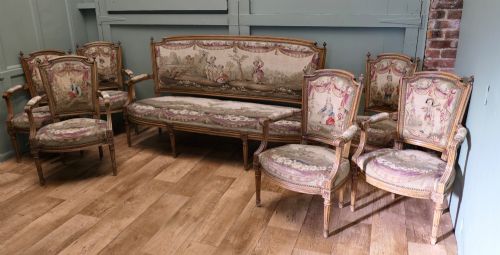
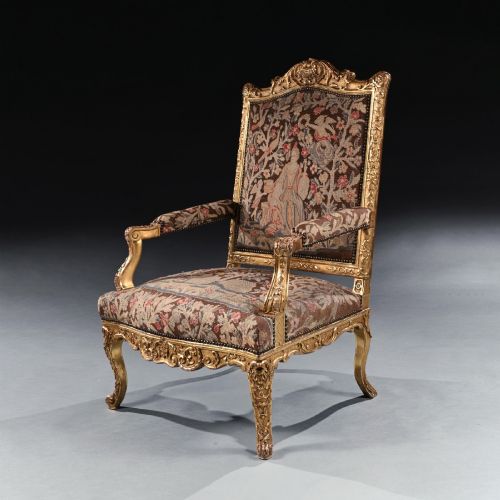
These pieces of 18th century French seating bring carved giltwood, walnut, and silk into a room with genuine period presence.
18th Century French Seating
These items comprise armchairs, fauteuils, canapes, and settees originating from continental Europe. The selection spans distinct stylistic periods from the 17th century through to later revivals.
Louis XV, Louis XVI, Regence, and Directoire designs form the core of the category. Oak, walnut, and giltwood provide the structural foundation for these historical chairs and sofas.
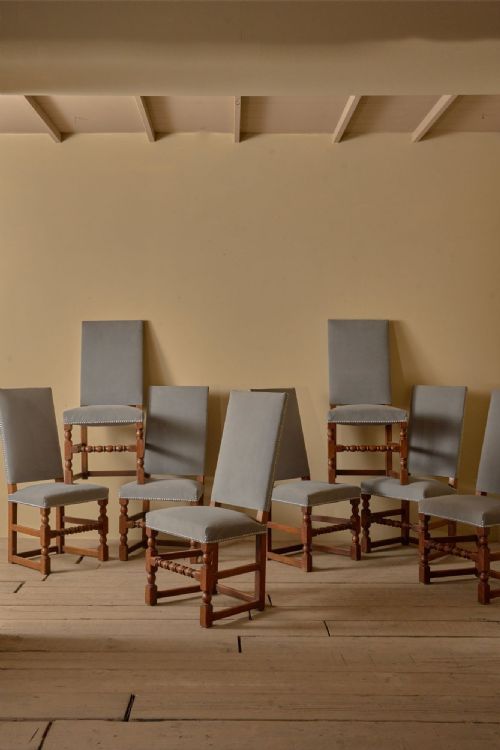
Upholstery ranges from silk and tapestry to needlework and modern fabric. Pieces vary from simple dining chairs to grand painted salon armchairs.
How they were made
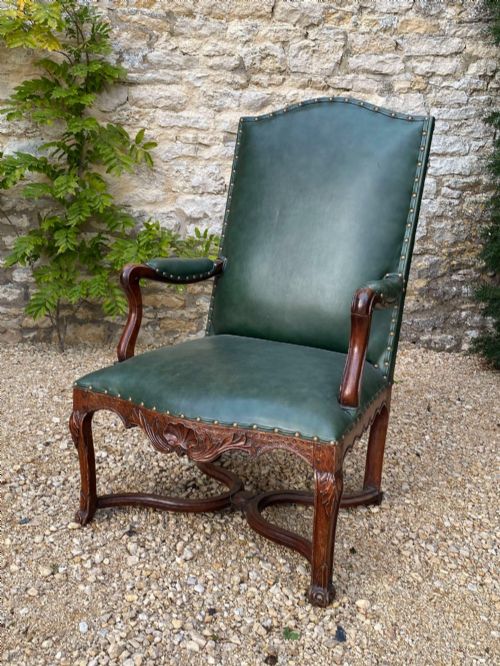
Woodcarving formed the basis of these frames, utilising solid timber such as oak, walnut, and beech. Artisans shaped structural members by hand before applying decorative gesso and gold leaf or paint finishes.
Textiles played an essential role in completion, employing silk, leather, and tapestry for upholstery. Traditional stuffing materials and webbing secured the seat foundations within the carved wooden rails.
18th Century French Seating Retail Price Guide 2026
Typical asking prices for 18th century french seating among the pieces listed under this phrase on Sellingantiques today, from the lower quarter to the upper quarter. They describe what is for sale here now, not the wider market.
The listings span multiple centuries, incorporating 17th-century foundations, 18th-century French designs, and 19th-century revival pieces.
What varies in quality
The precision and depth of the hand-carved ornamentation separate standard items from superior works. Crisp relief work on giltwood and painted surfaces indicates skilled craftsmanship.
Proportion and structural integrity define the standard of a chair or settee. Original timber surfaces and authentic period upholstery materials add significantly to the character of the piece.
Henri Jacob
The 18th Century French Seating Glossary
- Fauteuil
- An open-arm armchair with upholstered back and seat, featuring exposed wooden arms. This form dominated French seating design across multiple eras.
- Canape
- An upholstered sofa or settee designed for multiple occupants. These items mirror the stylistic carved woodwork of matching armchair sets.
- Giltwood
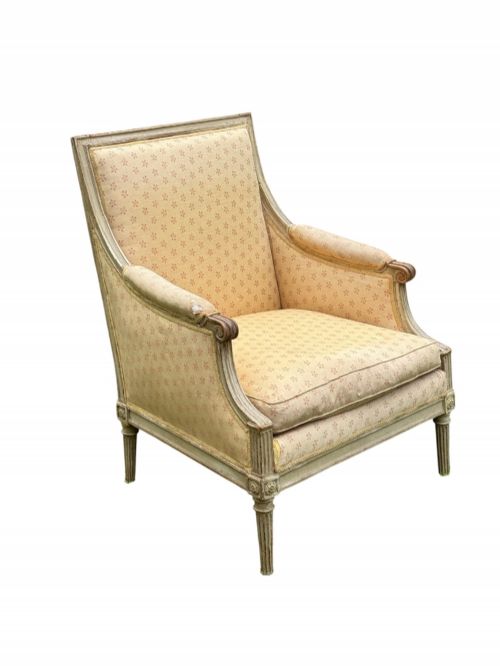
- Timber treated with a thin layer of gold leaf over a prepared gesso ground. This finish appears frequently on formal salon seating.
- Directoire
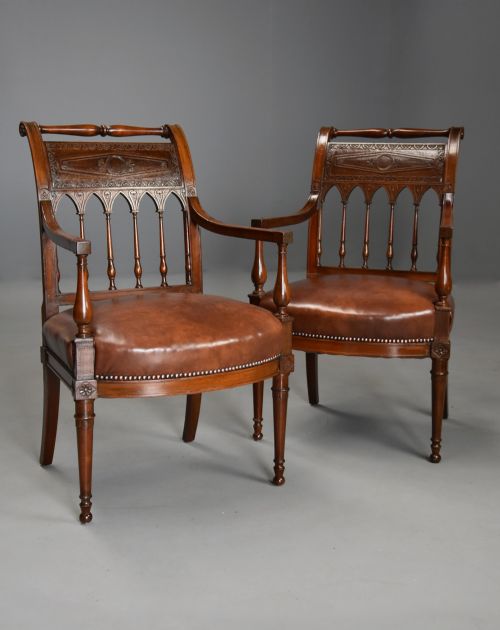
- A transitional style bridging the Louis XVI and Empire periods. It is characterised by simpler neoclassical lines and reduced ornamentation.
18th Century French Seating: Frequently Asked Questions
How do I identify a Louis XV chair?
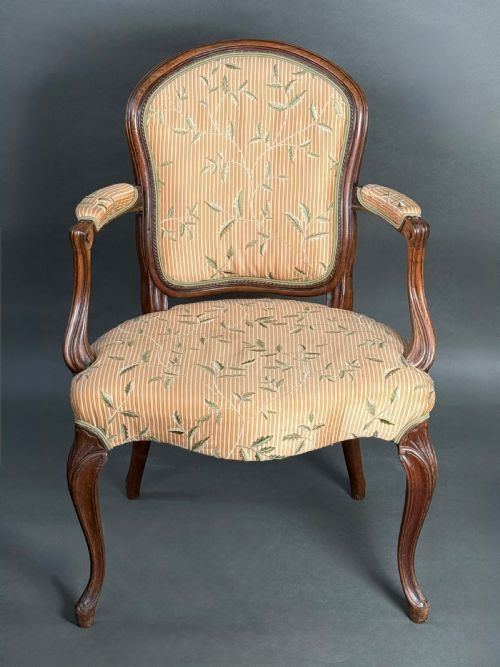
Louis XV pieces display asymmetrical curves, cabriole legs, and floral scrollwork carved into walnut or giltwood frames.
The overall silhouette remains organic and flowing, avoiding the straight lines found in later neoclassical designs.
How should I care for antique giltwood?
Giltwood requires protection from direct sunlight and high humidity to prevent the gold leaf from flaking. Dusting should be done gently with a dry, soft cloth.
Moisture and chemical cleaners damage the delicate gesso base beneath the metallic leaf.
Can I use these chairs daily?
Solid construction in walnut and oak allows for normal seating use. The internal webbing and traditional stuffing support everyday sitting when maintained properly.
Delicate gilt surfaces and fragile silk textiles require more careful consideration in high-traffic rooms.