
18th Century French Painting
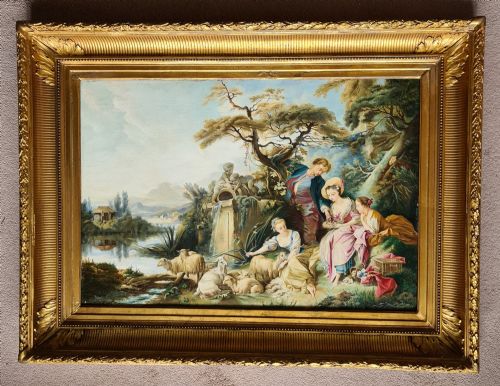
When searching for 18th century french painting, collectors encounter oil on canvas portraits, classical landscapes, and delicate panels representing the Rococo and Neoclassical eras.
18th Century French Painting
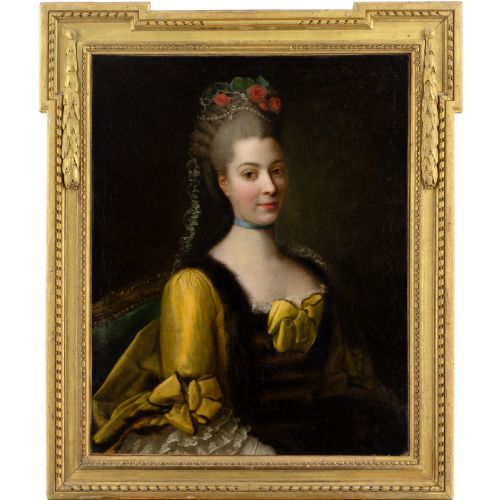
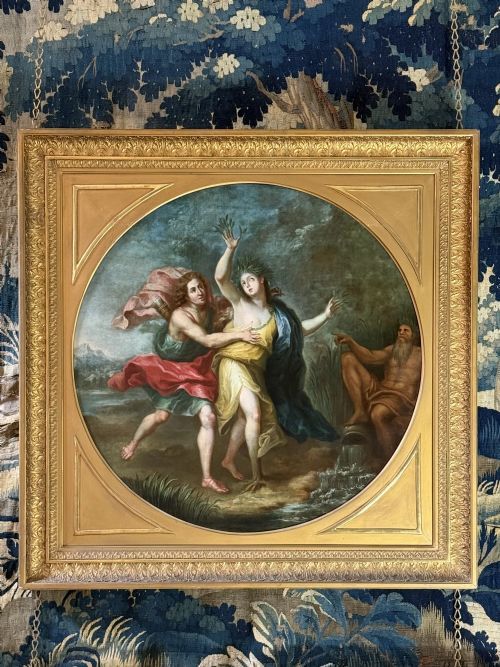
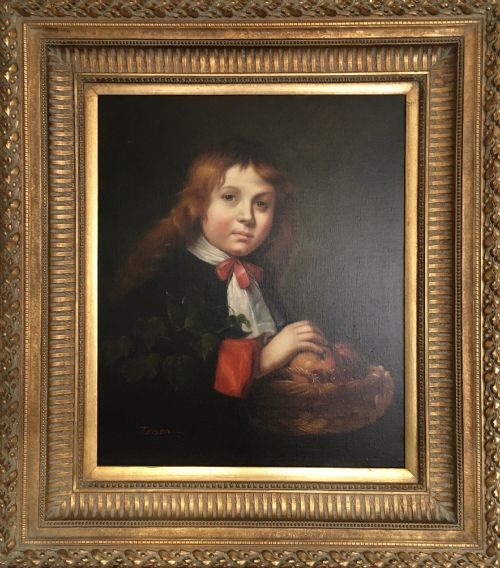
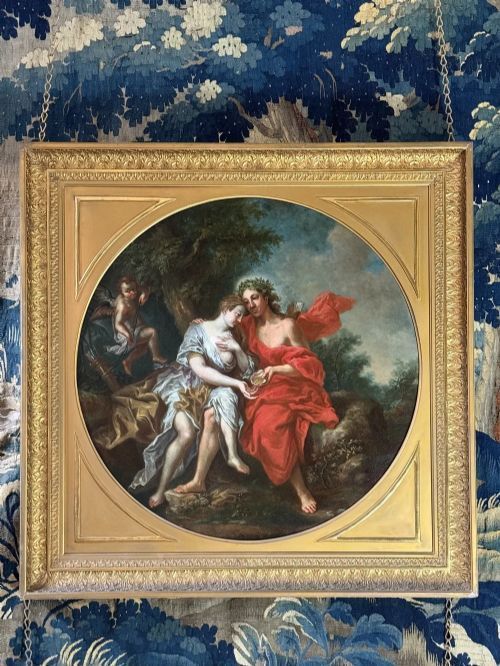
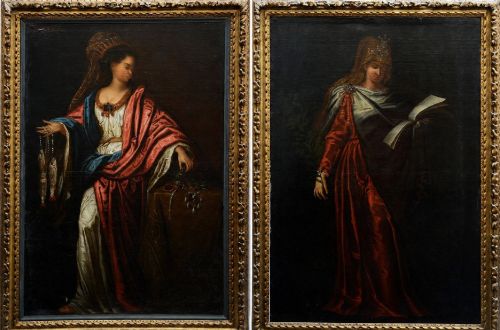
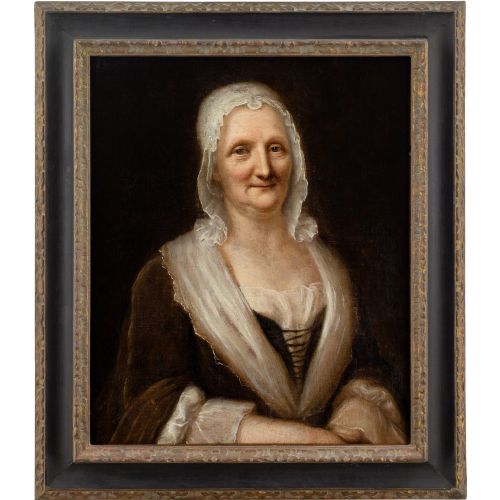
An 18th century french painting typically takes the form of an oil on canvas portrait, a classical landscape with ruins, or a decorative overdoor panel. Works originate from the French School, capturing subjects ranging from elegant women in yellow dresses to gentlemen in armour.
Beyond standard canvases, buyers also encounter related decorative formats such as gouache flower still lifes, pastel works, and camaieu bleu grisaille wall hangings. These pieces reflect the dominant aesthetic movements of the period, including French Rococo and Louis XVI styles.
Surviving examples span anonymous studio pieces to works created in the manner or after prominent artists of the era. They serve both as standalone wall art and as integral components of historic interior schemes.
What varies in quality
The integrity of the original surface and the preservation of the pigments dictate collector value. Works retaining their untouched canvas tension, original stretchers, and period frames command greater regard than those compromised by heavy overpainting or structural losses.
A French naval officer wearing the Order of St. Louis gazes out from one canvas, still ready for inspection.
Charles-Antoine Coypel·Francois Boucher·Jean-Baptiste Greuze·Jean-Baptiste van Loo·Joseph Vivienne
The 18th Century French Painting Glossary
- Grisaille
- A painting executed entirely in shades of grey or neutral greyish-brown monochrome. This technique was frequently utilised for decorative panels and faux-relief wall hangings.
- Camaieu
- A monochromatic style of painting utilising a single colour other than grey, such as blue in camaieu bleu. It creates a unified tonal effect across historical panels.
- Soft-Paste Porcelain
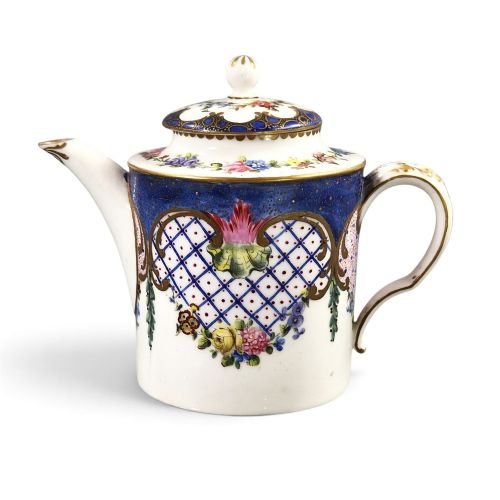
- A ceramic composition made from white clay mixed with ground glass and other materials, fired at lower temperatures. It serves as a delicate ground for painted scenes.
- Giltwood
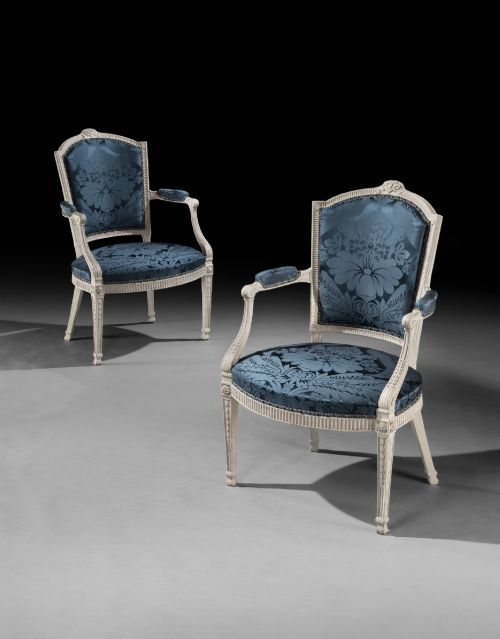
- Wood that has been treated with a thin layer of gold leaf or gold powder. It provides opulent framing and decorative ornamentation for period artworks.
- OleoGraph
- A colour lithograph textured to imitate an oil painting on canvas. These later reproductions appear alongside genuine period pieces.
18th Century French Painting: Frequently Asked Questions
What subjects appear in 18th century french painting?
Artworks from this period frequently depict portraits of nobility, military officers, and elegant ladies in contemporary dress. Classical landscapes featuring ruins and mythological narratives also feature prominently among surviving canvases.
Genre scenes and flower still lifes round out the visual record of the era. These subjects reflect the tastes and ideals of French society during the Rococo and Neoclassical movements.
How do I distinguish original period works from later copies?
Examination of the canvas, stretcher frames, and pigment composition helps determine authenticity. Period works display the natural ageing of oil paint and linen canvas consistent with eighteenth-century production methods.
Provenance and stylistic attribution to the French School provide further context. Later oleographs or twentieth-century decorative items reveal modern mechanical textures or materials upon closer inspection.
Where were these paintings displayed originally?
Paintings served as integral decorative elements within French chateaux, townhouses, and salons. Large canvases and grisaille panels were often fitted directly into wood-panelled walls as overdoors.
Smaller portraits and still lifes hung in private chambers and reception rooms. Their scale and framing were tailored to complement interior architectural woodwork.
How should I care for an antique oil painting?
Display paintings away from direct sunlight and extremes of temperature or humidity to protect the canvas and oil pigments. Maintaining stable environmental conditions prevents the paint layer from cracking or lifting.
Dust surfaces gently with a soft, dry brush without applying pressure or cleaning solutions. Professional conservators should handle any structural repairs or varnish removal.