

18th Century Framed Art
18th century framed art brings together portrait oils, detailed mezzotints and delicate works on paper secured within period surrounds.
18th Century Framed Art
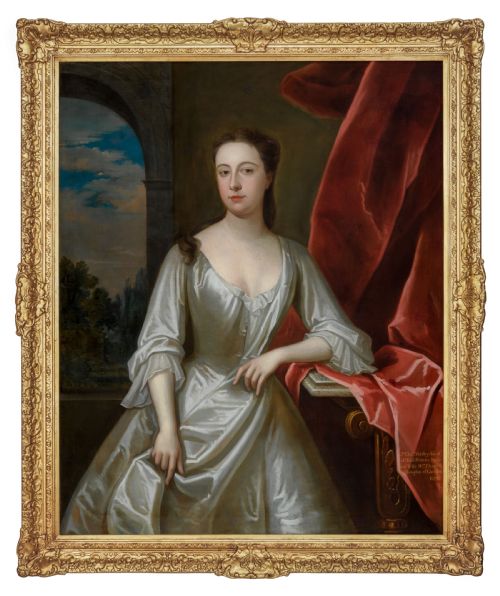
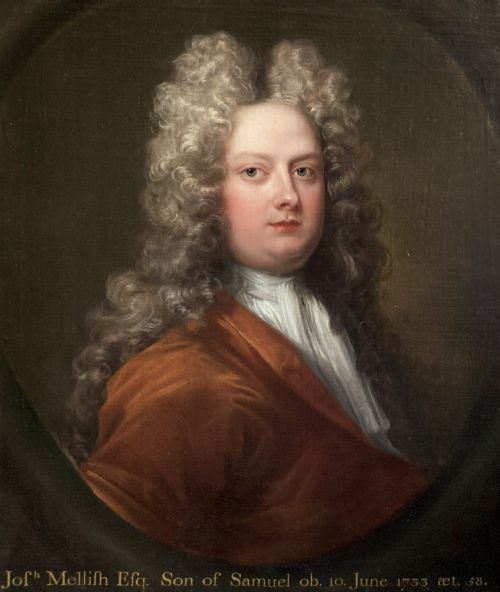
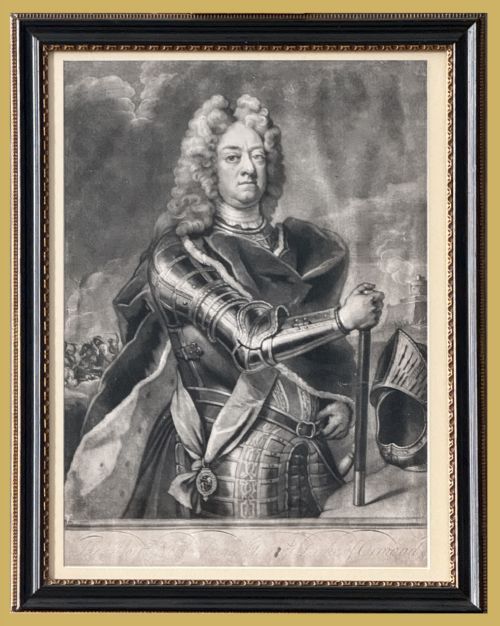
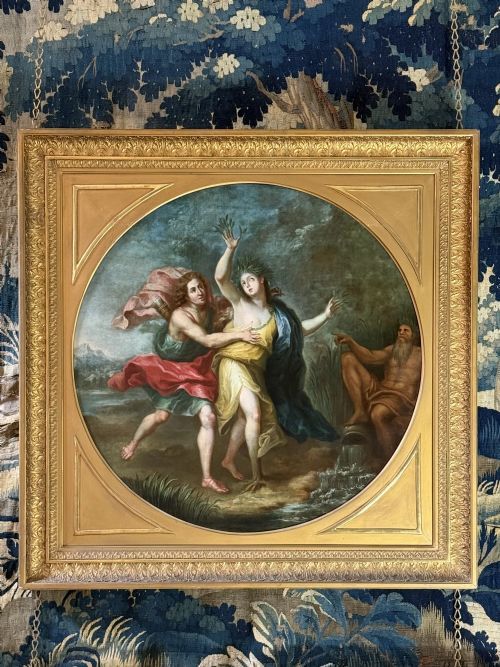
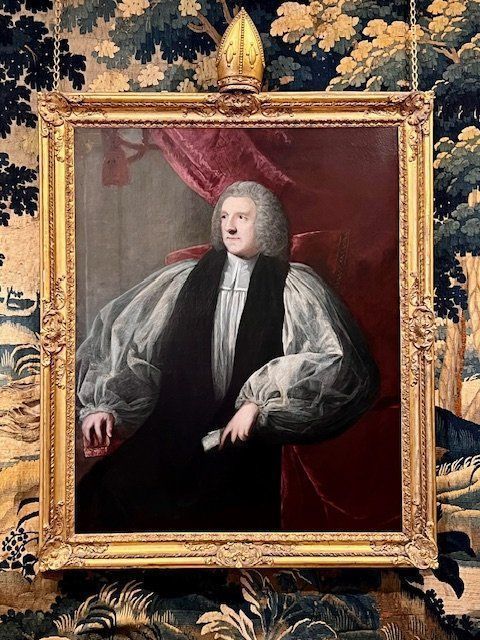
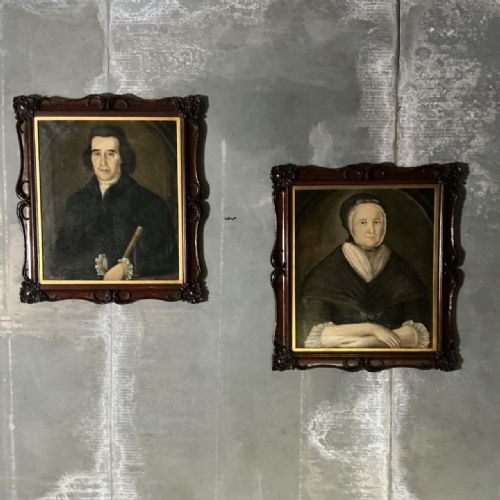
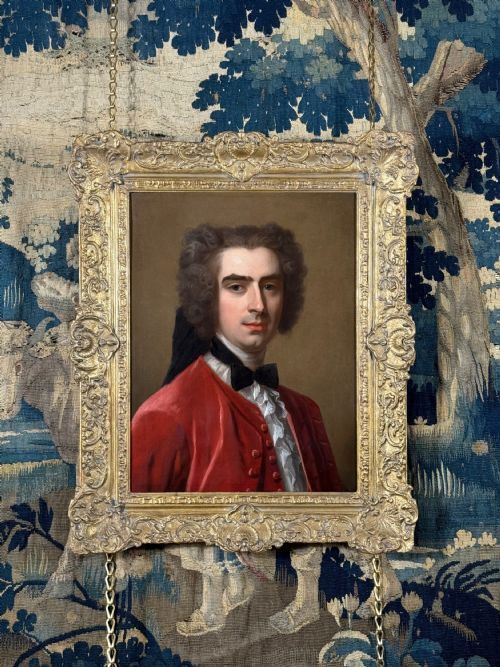
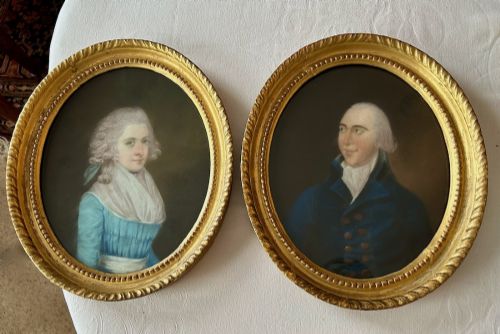
When browsing 18th century framed art, buyers encounter a diverse selection of oil paintings, pastel portraits, gouache studies and works on paper set within period surrounds. The selection spans formal portraiture of nobility and military officers, genre scenes, and classical subjects executed by British and European hands.
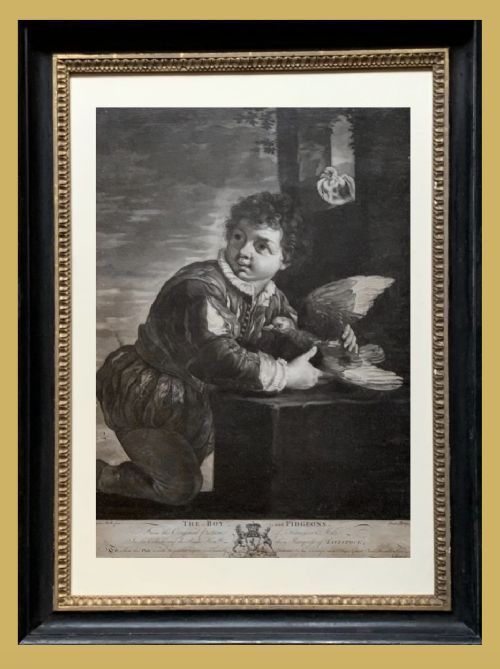
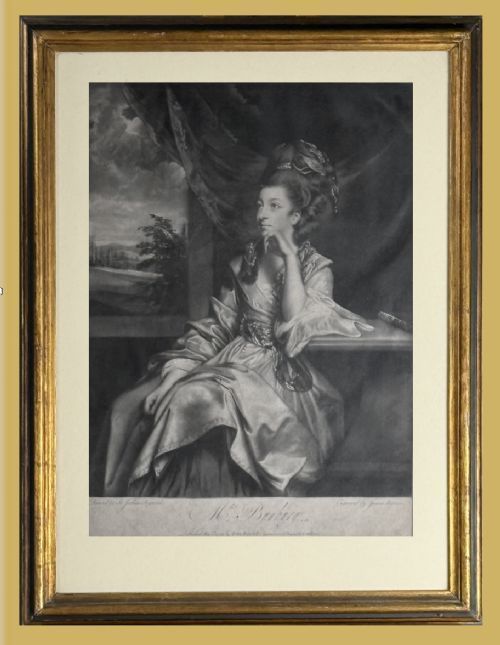
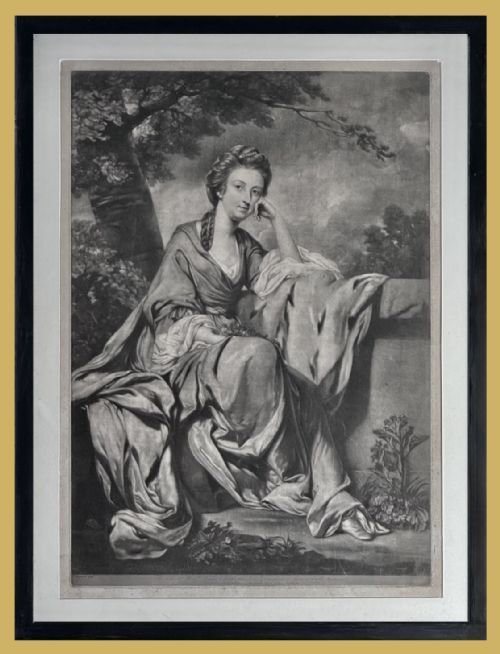
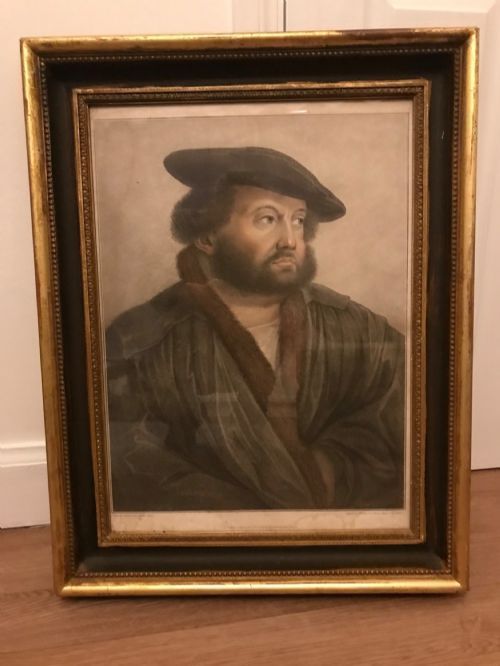
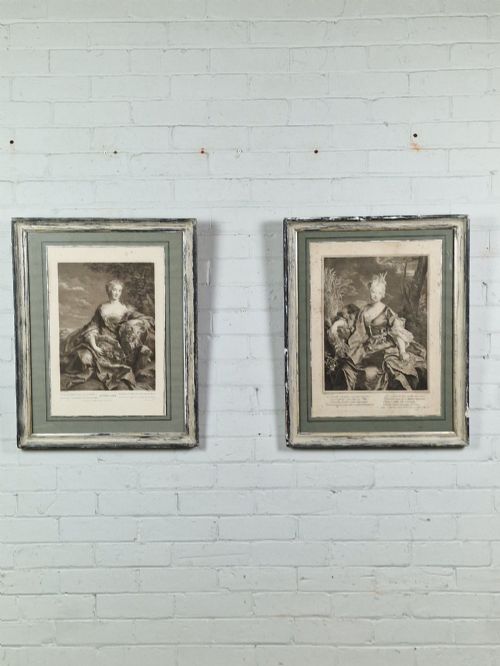
The assortment relies heavily on portrait miniatures, hand-coloured engravings and mezzotints produced across the Georgian era. These pieces reflect the prevailing tastes of British Baroque, French Rococo and classical styles, often housed in contemporary giltwood or carved frames.
How They Were Made
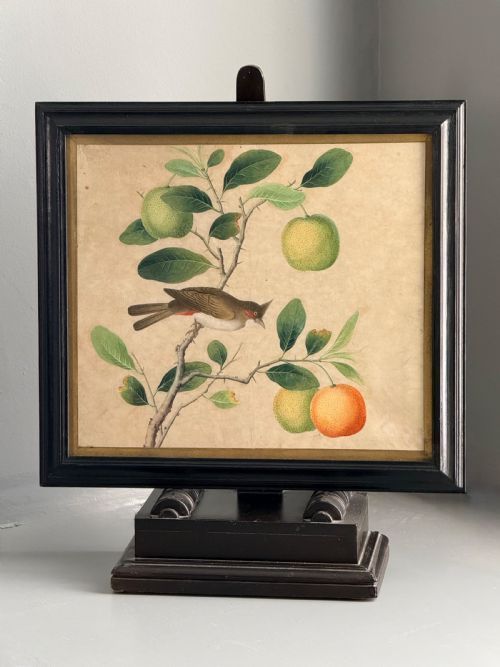
Makers constructed these works using oil on canvas, gouache on pith paper, pastel, and ink on paper, frequently finishing prints with original hand colouring. Mezzotints and stipple engravings utilised copper plates inked and pressed onto paper sheets.
Surrounds incorporated wood, gesso and gold leaf to create giltwood frames that complemented the visual weight of the paintings and prints. Reverse glass techniques also appear, fixing painted or printed imagery directly beneath a glass panel.
The inventory records framed art across Georgian, Baroque, French Rococo, and Chinese Export stylistic traditions.
What Varies in Quality
The calibre of 18th century framed art depends on the fidelity of the draughtsmanship and the prestige of the artist or printmaker involved. Master hand work by recorded painters or skilled engravers distinguishes finer examples from anonymous workshop output.
Survival of original materials dictates worth, particularly regarding the retention of contemporary frames, untouched canvas surfaces and authentic hand colouring on paper. Superior items maintain clarity in pigment and crispness in plate impressions.
Sir Godfrey Kneller·Charles Jervas·Michael Dahl·Sir Joshua Reynolds·John Boydell·Francesco Bartolozzi·John Opie·François-Nicolas Martinet
The 18th Century Framed Art Glossary
- Mezzotint
- A printmaking process of the tonal method, enabling the creation of prints with rich gradations of dark and light. Artists roughened the copper plate with a rocker to achieve these soft tones.
- Giltwood
- Wood carved and coated with gold leaf or gold paint. This material formed the decorative surrounds typical of Georgian and Baroque framing.
- Gouache
- An opaque water-based paint method using pigments bound in water-soluble gum. It yields flat, saturated areas of colour on paper supports.
- Stipple engraving
- A technique using dots to create tonal variations in a printed image. It produced gentle, painterly effects popular in portraiture.
- Portrait miniature
- A small-scale painted likeness executed with fine detail. These works were often housed in protective cases or frames.
18th Century Framed Art: Frequently Asked Questions
What subjects are common in 18th century framed art?
The selections frequently feature aristocratic portraits, military officers, and literary figures rendered in oil or captured through printmaking methods. Classical mythological scenes and genre studies also appear across the category.
Alongside unique oil paintings, buyers find botanical studies, topographical views of cities like Paris, and narrative compositions translated into engravings or mezzotints.
How are these framed pieces displayed in a home?
These works suit traditional study walls, drawing rooms, or hallways where their historical presence can anchor a room's decor. Grouping smaller framed engravings or portrait miniatures together creates a striking gallery effect.
Placement should avoid direct sunlight to protect delicate watercolours, pastels and paper supports from fading. Stable indoor humidity also helps preserve the wooden frames and canvas grounds.
How do I identify a period frame?
Period frames from the Georgian era often feature hand-carved wooden mouldings finished with gesso and gold leaf. Construction details on the reverse, such as old fixings and timber shrinkage, indicate age.
Many pieces retain their original surrounds, which match the aesthetic and wear patterns of the artwork they enclose.
What is the difference between an oil painting and a mezzotint?
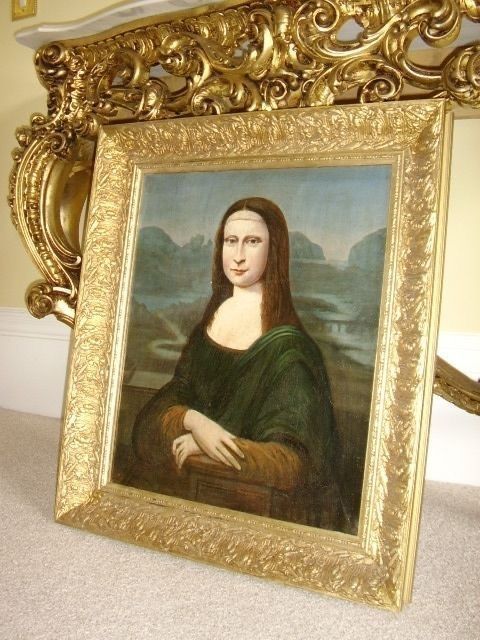
An oil painting is a unique, handmade work created by applying pigment suspended in oil onto a canvas or panel support. Brushwork and texture remain visible upon close inspection.
A mezzotint is a print created from an engraved copper plate, allowing multiple impressions to be pulled and subsequently hand-coloured. These offer smooth tonal transitions rather than raised paint layers.