






18th Century Frame
When hunting an 18th century frame, you are looking for period housings crafted to elevate canvas art, mirrors, and works on paper with authentic historic character.
18th Century Frame
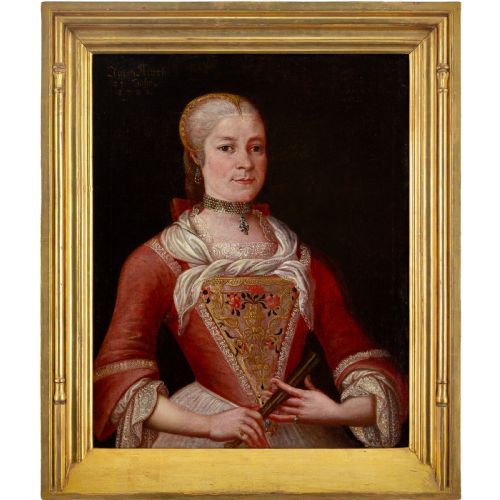
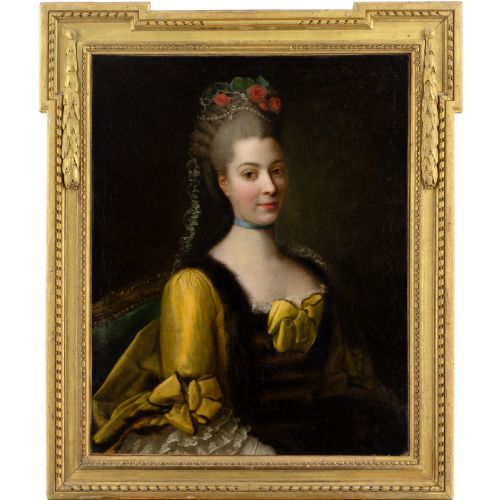
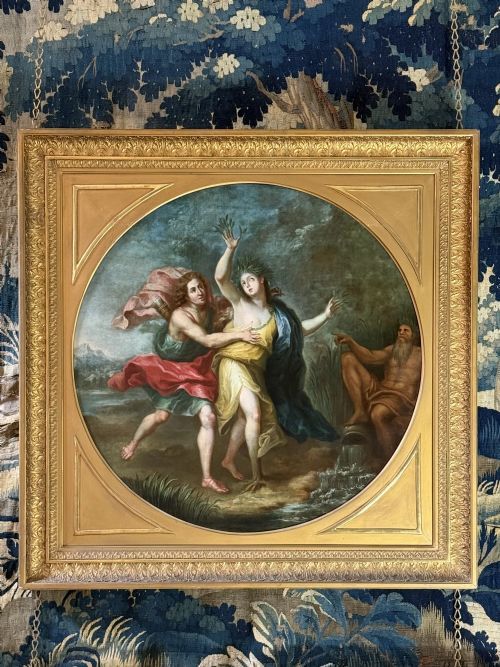
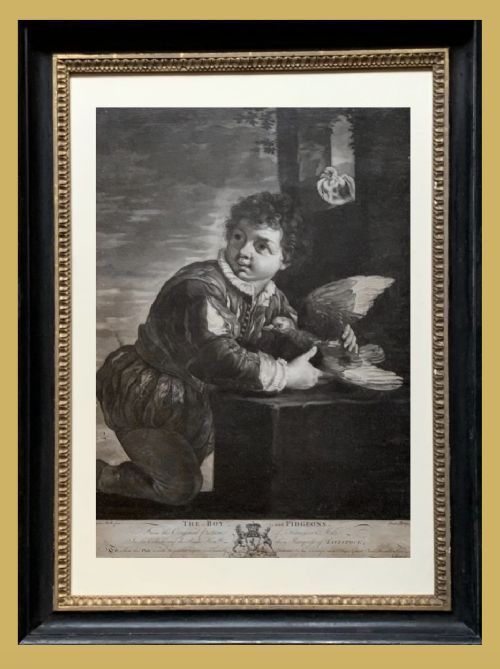
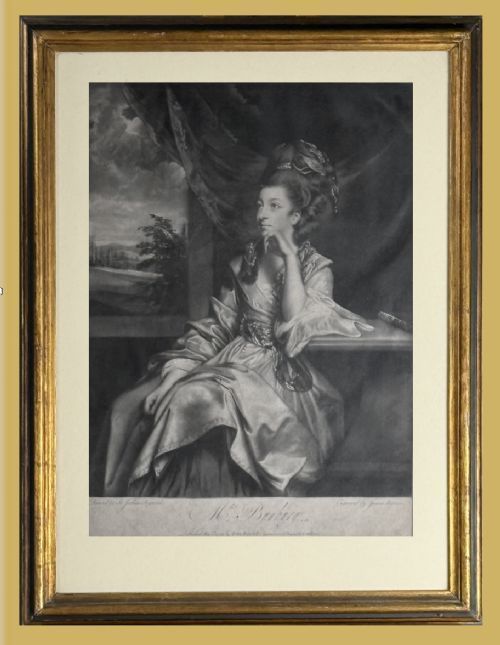
An 18th century frame encompasses period surrounds originally constructed to house oil paintings, portrait miniatures, engravings, and looking glasses. The selections appearing in current inventory span carved and gilt mirrors, deep moulded timber picture borders, and antique enclosures housing works on paper or canvas.
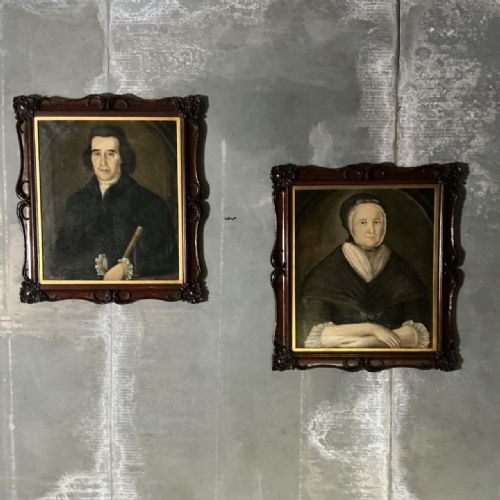
Buyers frequently encounter George III mahogany fret mirrors, giltwood and painted wall mirrors with mercury glass, and ornate carved wooden profiles designed for portraiture. These pieces originate from English, French, and Flemish workshops, reflecting the prevailing aesthetic standards of the Georgian and Baroque eras.
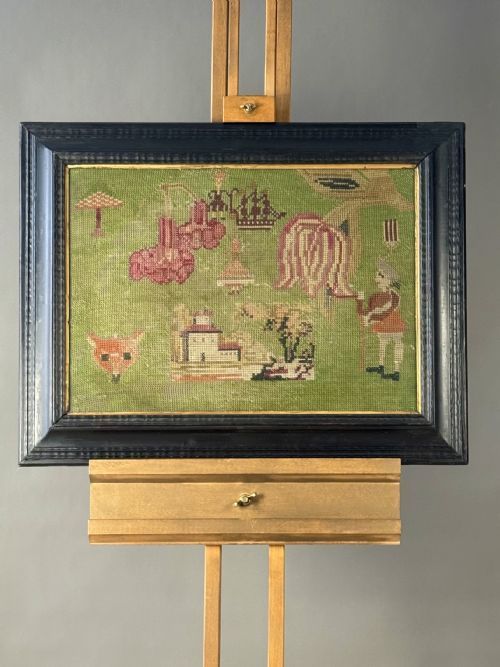
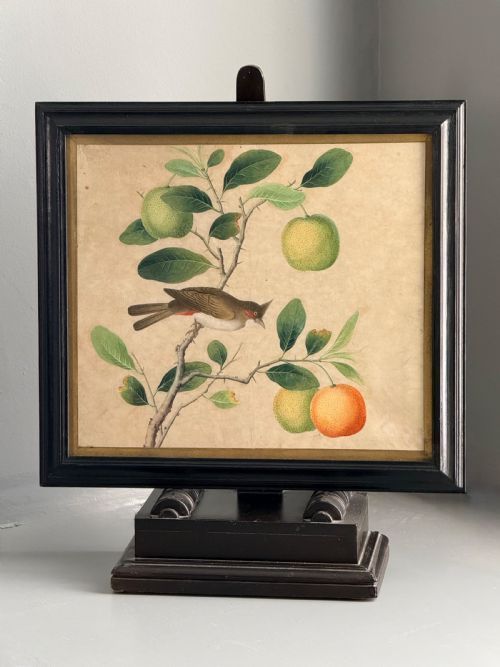
Beyond housing paintings, the category includes specialised formats such as ebony frames for miniature drawings, maple surrounds for botanical engravings, and box frames built for hand-painted silk fans or textiles. Each variation demonstrates how period makers matched the surround to the specific medium of the artwork.
How They Were Made
Carpenters and joiners utilised foundational timbers such as oak, walnut, pine, fruitwood, and mahogany to construct the structural core of each piece. Carvers then shaped intricate mouldings, floral motifs, and scrollwork directly into the wood or applied composition ornament over gesso grounds.
Gilding techniques involved the application of delicate gold leaf onto prepared surfaces, often burnished to create contrasting matte and bright reflective areas. Alternatively, finisher trades applied paint, parcel gilt details, or dark finishes to complement the domestic interiors of the Georgian period.
Listings feature 18th century frames constructed from oak, walnut, fruitwood, and giltwood, housing everything from oil paintings to silk fans.
What Varies in Quality
The standard of carving defines the upper tier of these pieces, separating deeply undercut, hand-chiselled ornamentation from mechanical or later cast replacements. Crisp definition in floral motifs, scrolls, and moulding profiles indicates superior workshop output.
The integrity of the original surface finish heavily influences value, distinguishing untouched historic gilding or paint from modern interventions. Original backing materials, old mirror plates with mercury backing, and retained pinning add substantial historical weight to the object.
The 18th Century Frame Glossary
- Giltwood
- Timber coated with fine gold leaf applied over a prepared gesso ground. This finish provides the characteristic metallic brilliance seen on formal mirrors and portrait surrounds.
- Mercury glass
- A type of looking glass produced by pouring a mercury amalgam behind double-walled glass. It creates a distinctive mottled reflection characteristic of antique mirrors.
- Fret mirror
- A wall mirror featuring a flat-cut wooden silhouette frame, often pierced with scroll or fretwork patterns. These designs became popular during the Georgian period.
- Mezzotint
- A printmaking technique where the copper plate is roughened to achieve rich tonal gradations. Many examples from the period portray prominent historical figures.
- Gesso
- A plaster-like mixture applied to wooden frames to provide a smooth base for gilding or painting. Its depth allows carvers to refine fine details before applying gold leaf.
18th Century Frame: Frequently Asked Questions
How do I date an antique frame?
Dating relies on examining the timber species, construction joinery, and the composition of the gesso and gilding layers. Tool marks left by hand chisels and the ageing process of the wood provide reliable indicators of period origin.
Secondary clues include the type of backing boards, fixings, and whether the mirror glass or artwork retained within is original to the piece.
Can I put modern art inside an old frame?
Placing contemporary artwork inside a period surround is a common practice that creates a striking visual contrast between old and new. Collectors frequently pair modern canvases or prints with historic mouldings to add depth and texture to interior displays.
Ensure the internal rebate dimensions and depth of the surround accommodate the stretched canvas or panel without damaging the historic structure.
How should I clean gilded wood?
Dust gilded surfaces gently using a very soft, dry brush or an ostrich feather duster to remove accumulated particles. Avoid applying water, liquid cleaners, or chemical solvents, which can dissolve the water-gilding size and damage the gold leaf.
Professional conservators should handle any stubborn grime or structural stabilization to preserve the historic integrity of the finish.
What is the difference between gesso and carved wood?
Carved wood involves shaping the profile and ornaments directly out of the solid timber base using gouges and chisels. Gesso ornamentation is built up by applying layers of plaster compound, sometimes pressed into moulds, over a simpler wooden core.
High-end pieces often combine both techniques, featuring hand-carved foundational structures enhanced with delicate gesso detailing before gilding.