



18th Century Fine Portraiture
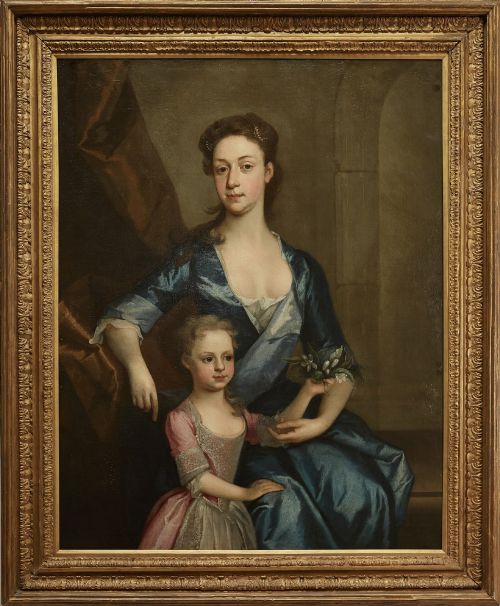
18th century fine portraiture brings together oil paintings on canvas framed in giltwood, capturing subjects from children to nobility across Georgian England and Europe.
18th Century Fine Portraiture
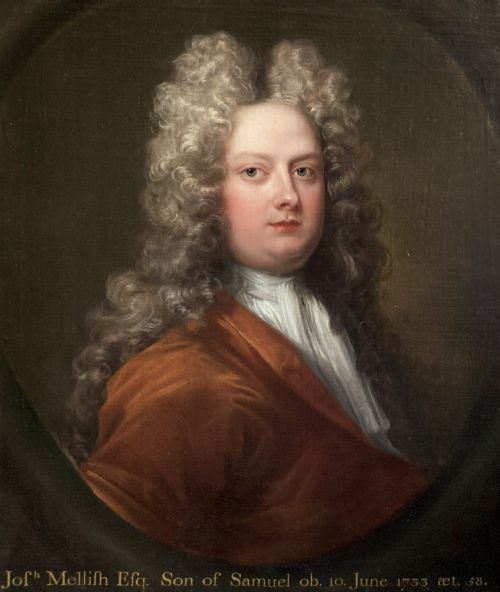
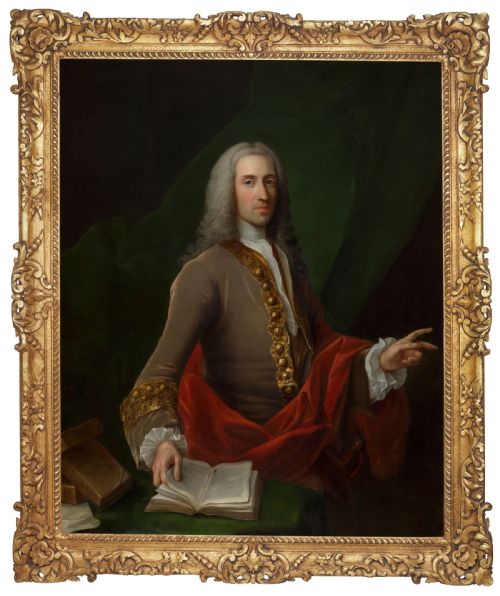
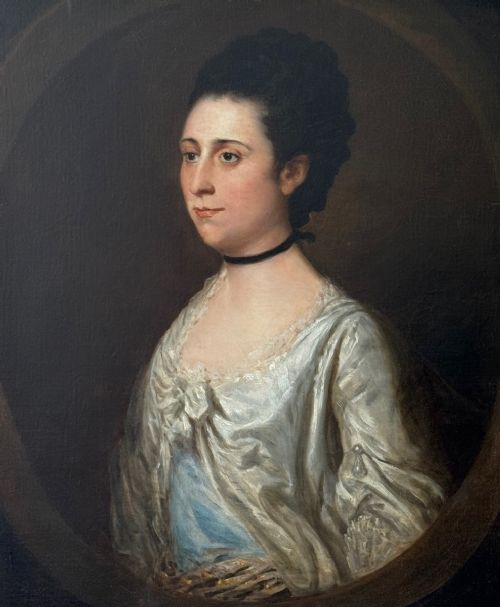
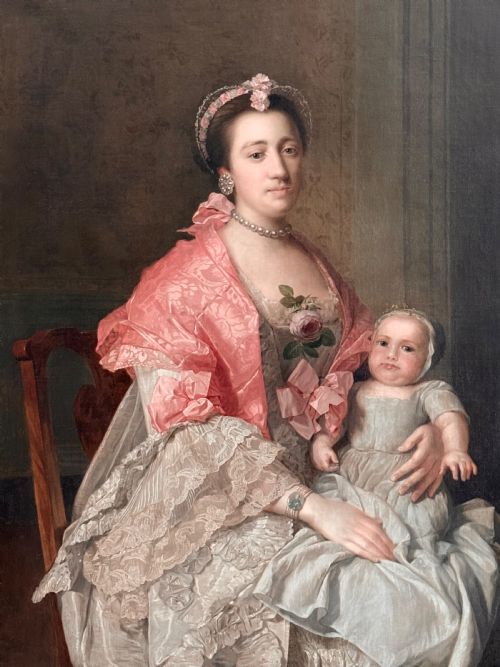
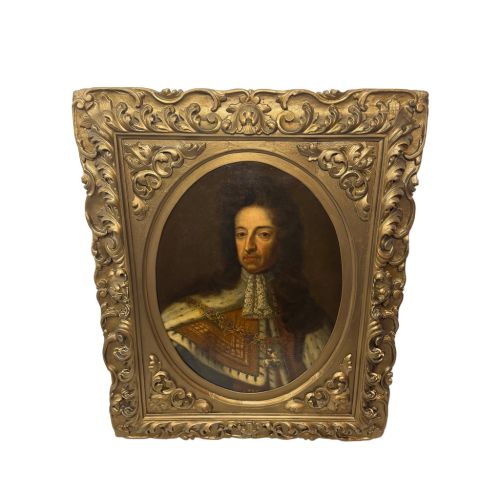
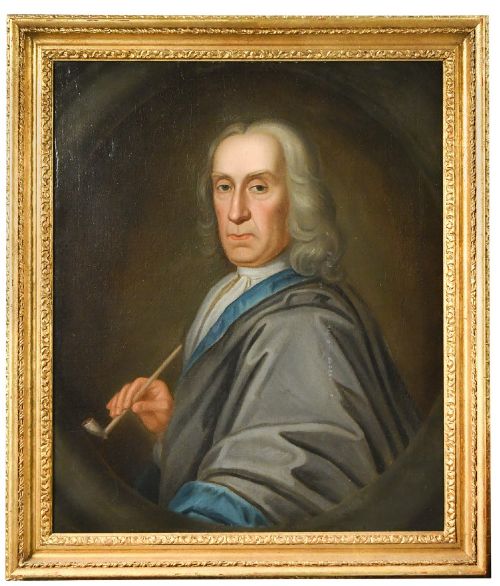
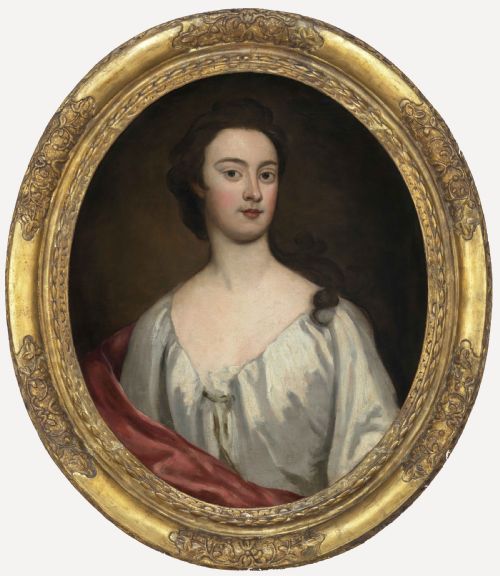
When you search for 18th century fine portraiture, you encounter oil paintings on canvas spanning the Georgian period and the broader seventeen-hundreds. The works depict individual gentlemen, ladies, children, and family groups, often accompanied by specific personal attributes like books, pipes, or pets.
You also meet regional English school works alongside continental pieces, including French and Norwegian examples. The subjects range from named historical figures and nobility to anonymous sitters captured in formal dress or informal domestic settings.
Many items survive within period giltwood frames that complement the canvas. The selections include both single portrait studies and paired works depicting husbands and wives or children.
How these oil paintings were constructed
The primary medium recorded across the selection is oil paint applied to woven canvas supports. Artists built the image using layered oil pigments on stretched canvas, mounted within wooden frames often finished in giltwood.
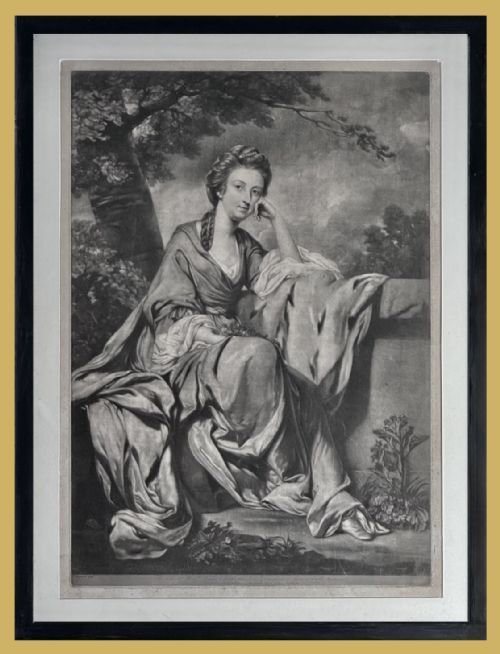
Techniques varied from direct studio production by named masters to execution within the circles, studios, or followers of prominent portraitists. Printmaking techniques such as mezzotint also appear in the record, translating painted compositions into printed form.
Listings span the seventeenth century through the Victorian era, utilising oil on canvas and wood materials.
What distinguishes the standard of these works
The degree of attribution to a documented hand influences the standing of a canvas, moving from direct studio work by a master to pieces associated with a broader circle or regional school. The psychological depth in the sitter's expression and the precise rendering of textiles, lace, and hands reflect the painter's capability.
The condition of the oil paint layer and the canvas support determines the integrity of the piece over centuries. Original or period-appropriate giltwood framing also contributes to the overall coherence of the object.
Charles Jervas·Edward Fisher·Sir Joshua Reynolds·Jeremiah Davison·Thomas Beach·Sir Allan Ramsay·Joseph Highmore·John Hamilton Mortimer·Christian Lindner·Thomas Gainsborough·Alan Ramsay·Enoch Seeman·Tilly Kettle·Sir Godfrey Kneller·Arthur Pond·Robert Byng·Edward Bird·Philip Mercier·Bartholomeus Van Burgindis·Francis Alleyne·Thomas Gibson·Jean-Baptiste Santerre·John Raphael Smith·Francis Hayman
The 18th Century Fine Portraiture Glossary
- Giltwood
- Carved wood treated with gold leaf or gold paint to create a reflective metallic surface. It provides the traditional decorative border for oil paintings of this era.
- Mezzotint
- A printmaking process where the copper plate is roughened to produce dark tones and scraped to create highlights. This technique allowed tonal reproduction of painted portraits.
- English School
- A designation for works produced by artists active in England who shared stylistic approaches without necessarily forming a single formal academy. It often denotes anonymous or circle paintings from the period.
- Circle of
- A term used when a painting shows the direct influence and working style of a master without being the work of the master himself. It indicates a contemporary working in proximity to the named artist.
18th Century Fine Portraiture: Frequently Asked Questions
What do the objects depict?
The paintings show individual portraits of adults and children, alongside paired works of husbands and wives. Many sitters wear period attire such as crimson coats, silver dresses, or garter robes.
Subjects often hold objects that signal their status or interests, including books, pipes, lambs, or posies of flowers. The works record both documented historical personages and anonymous sitters.
How were the portraits used?
These works served as family records and displays of status within grand houses and domestic interiors. Commissioned by sitters or their families, they functioned to preserve lineage and personal identity.
Displayed on walls within carved wooden frames, they projected the social standing and lineage of the individuals portrayed.
How do I live with them?
Display the canvases away from direct sunlight and fluctuating moisture to protect the oil paint and canvas. Pairing the paintings with traditional room settings complements their eighteenth-century origins.
Ensure the supporting wall can bear the weight of the canvas and its heavy giltwood frame.
How do I tell periods apart?
Examine the costume, wig style, and tailoring of the sitter, which shifted noticeably between the early seventeen-hundreds and the Regency era. Clothing details offer direct visual markers for dating the portrait.
Lettering styles on inscriptions and the construction methods of the underlying canvas and stretcher frames also provide clues to the decade of creation.