


18th Century Engraving Print
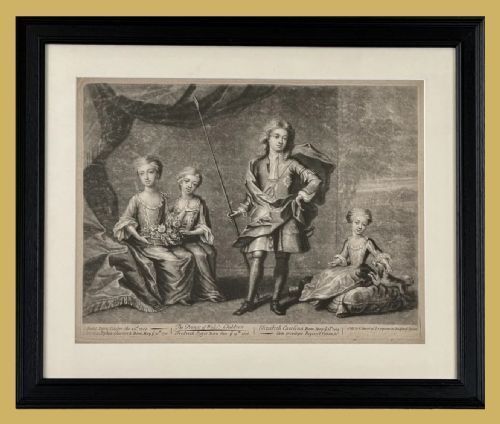
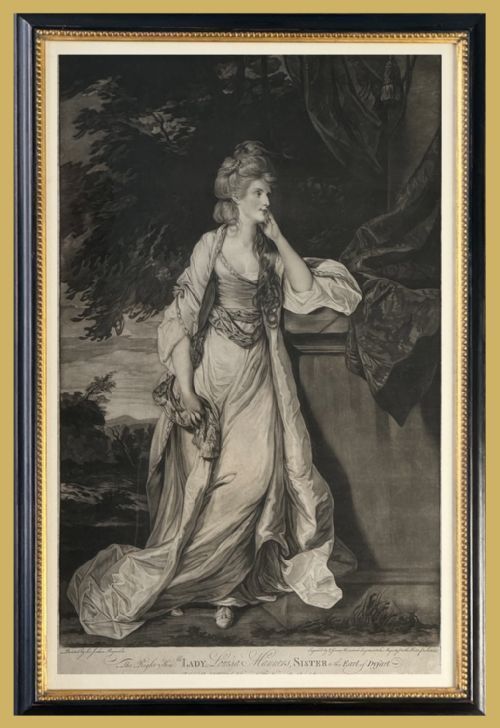
When you examine an 18th century engraving print, you encounter the detailed portraiture, topographical views and allegorical scenes that defined Georgian visual culture.
18th Century Engraving Print
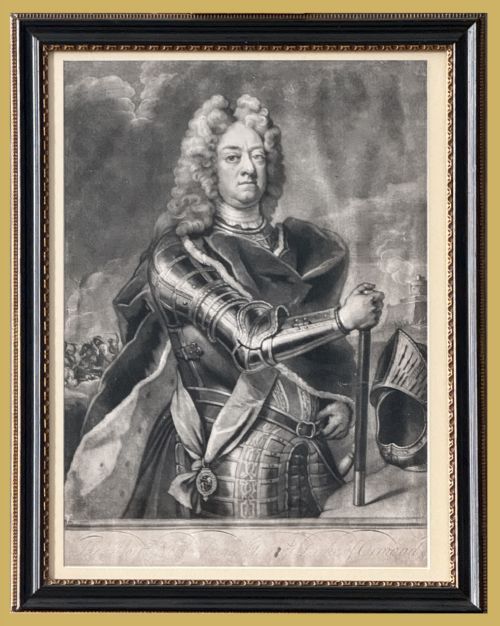
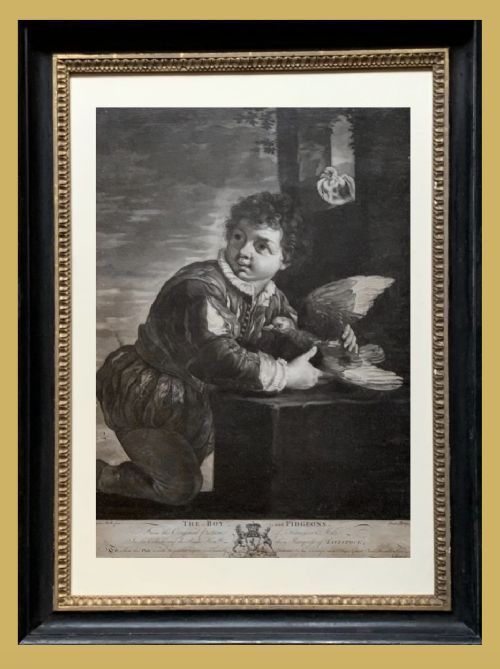
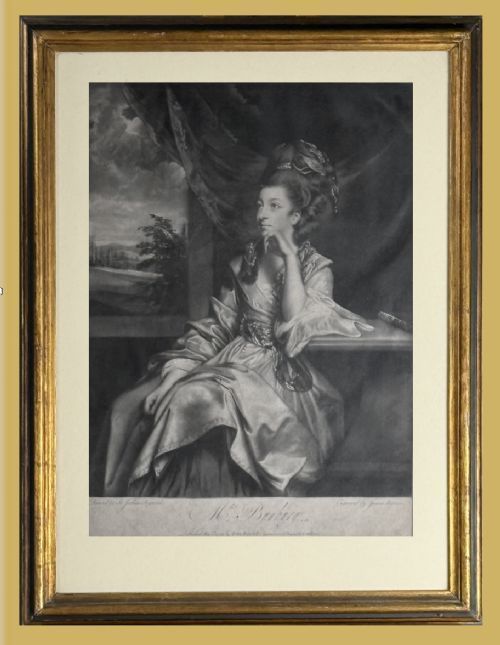
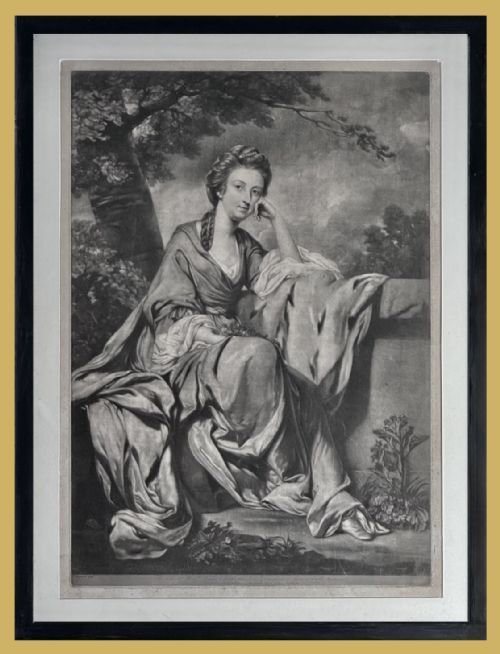
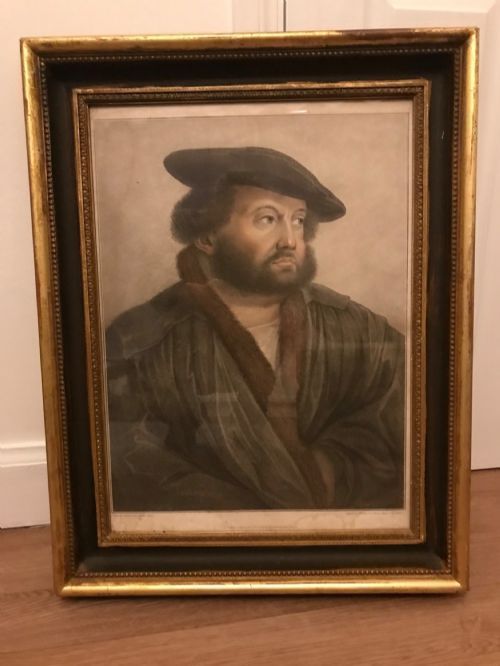
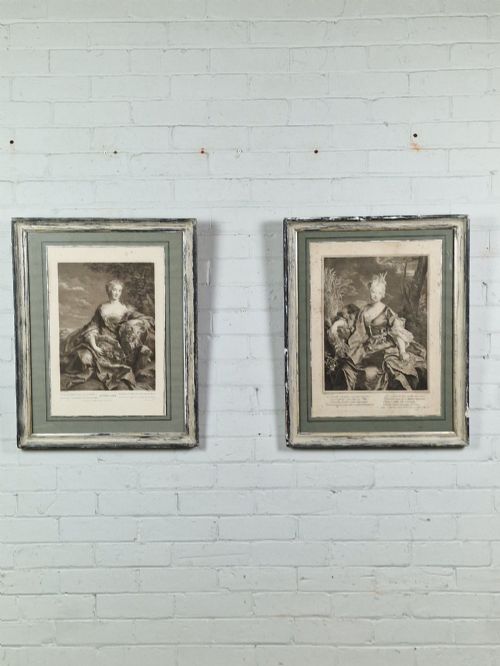
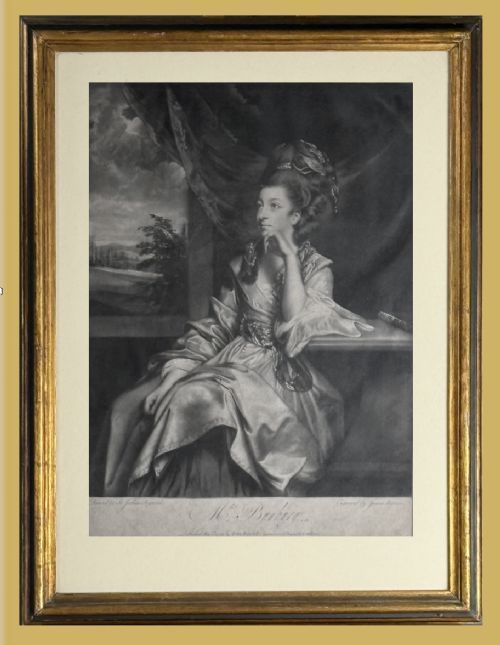
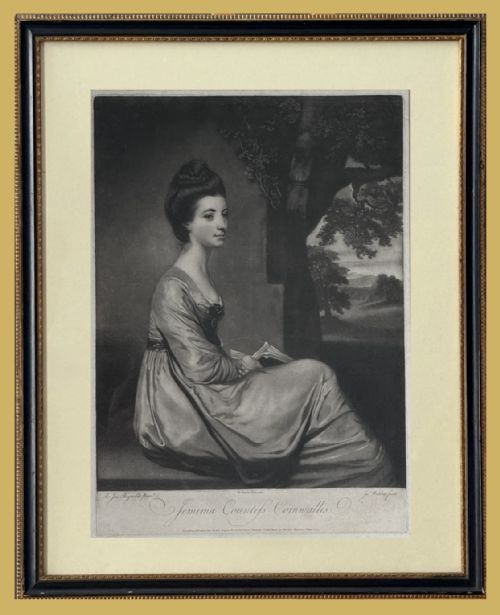
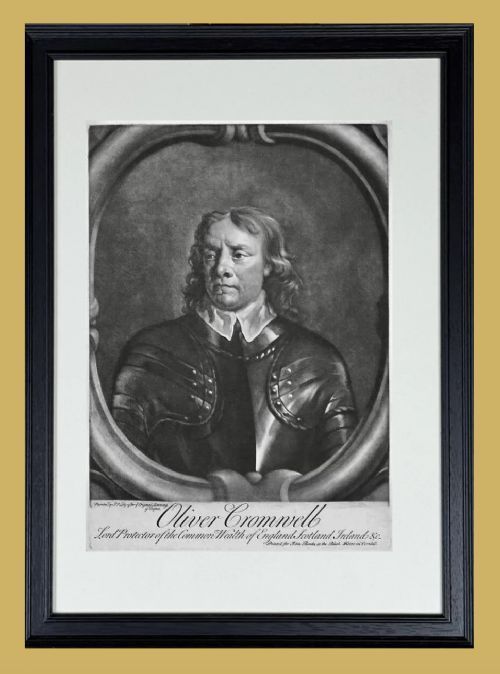
An 18th century engraving print encompasses framed artworks, wall art and maps produced across the Georgian period, with mezzotints and stipple engravings forming the core of the selection.
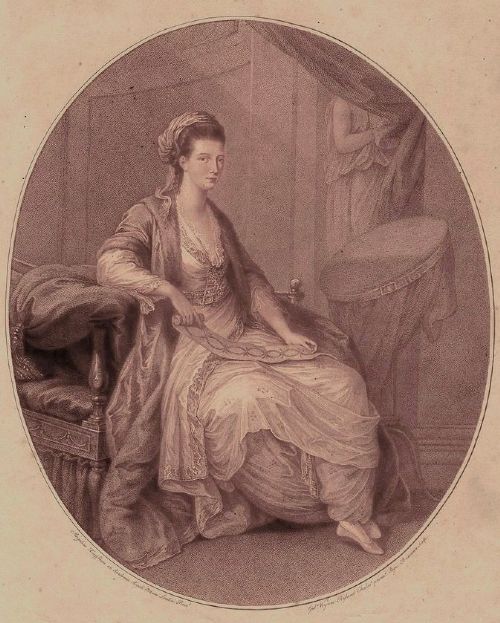
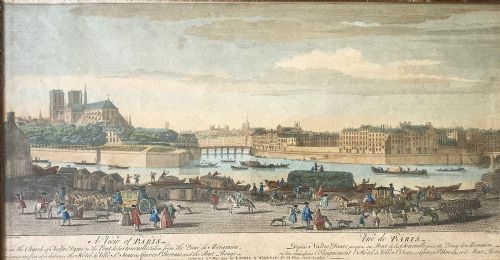
Subjects range from royal and aristocratic portraits after painters such as Sir Joshua Reynolds to anatomical studies, ornithological illustrations and views of Paris.
These works frequently arrive in period frames constructed from wood, giltwood or glass, preserving the original presentation of the artwork.
How They Were Made
Printmakers utilised copper plates to work ink into paper surfaces, employing techniques like mezzotint to achieve tonal depth and stipple engraving to create delicate flesh tones.
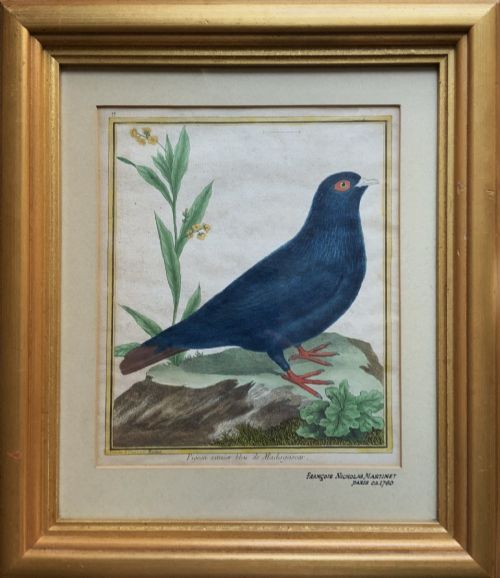
Selected examples incorporate original hand colouring applied directly over the ink lines, while others feature reverse glass painting methods paired with gilt frames.
Pigeons, weeping angels, anatomical skeletons and royal monarchs share the same printing press lineage across the century.
What Varies in Quality
The clarity of the impression relies heavily on the condition of the metal plate during printing, separating sharp early impressions from worn later strikes.
The sophistication of the secondary hand colouring and the originality of the accompanying wooden or gilt frames alter the overall historical integrity of the piece.
John Simon·John Boydell·James Watson·Edward Fisher·Francesco Bartolozzi·John Smith·Valentine Green·Jacobus Houbraken
The 18th Century Engraving Print Glossary
- Mezzotint
- A printmaking process where the copper plate is roughened to produce dark tones and scraped to produce light areas, widely used for portraits.
- Stipple engraving
- A method of generating tone through a dense pattern of dots rather than continuous lines, popular for soft portraits.
- Giltwood
- Wood carved and coated with gold leaf or gilding, commonly seen on period frames from the Georgian era.
- Crayon manner
- An engraving technique designed to imitate chalk or crayon drawings on paper.
18th Century Engraving Print: Frequently Asked Questions
What is a mezzotint portrait?
A mezzotint is a tonal print created by roughening a copper plate to hold ink, allowing for subtle gradations of shadow and light.
This method was favoured by 18th-century printmakers translating oil paintings onto paper.
How do I identify a stipple engraving?
Stipple engravings use dots and short dashes rather than solid lines to build up form and texture.
Under magnification, you see a constellation of small punctures rather than engraved grooves.
Were these prints originally coloured?
Some engravings received hand colouring with watercolour at the time of publication to enhance the visual impact of birds, maps or scenes.
Monochrome prints relied entirely on the ink tones and the skill of the scraper.
How should I frame an antique print?
Period frames made of wood or giltwood complement the age of the paper and maintain historical context.
Conservation framing with acid-free materials protects the paper from degradation over time.