



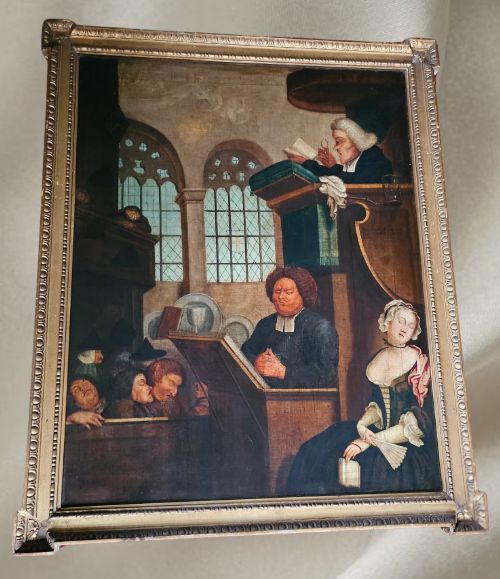
18th Century English Portrait
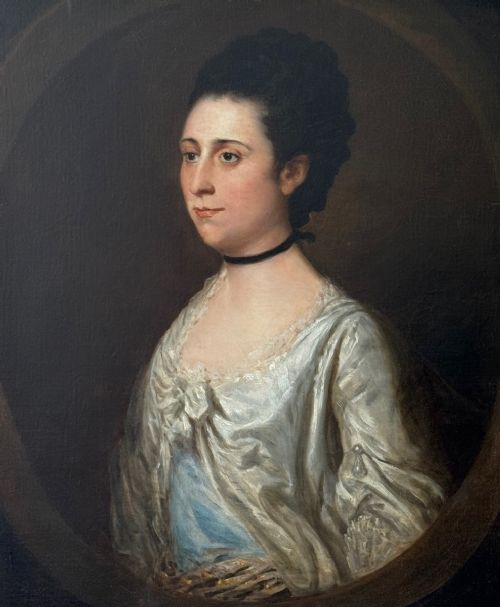
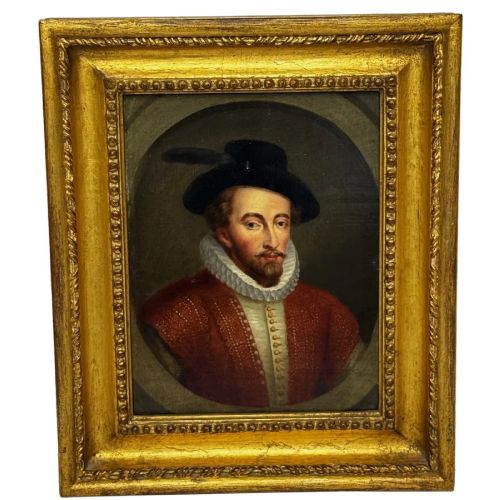
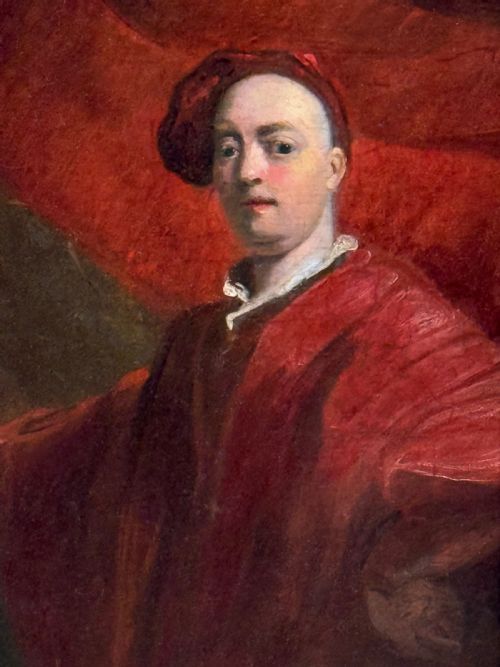
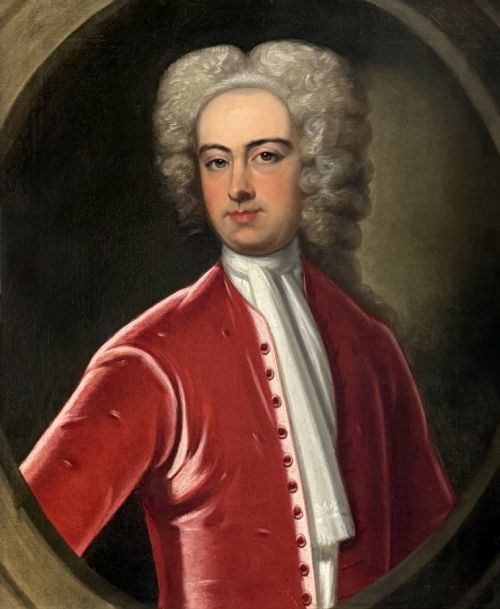
When you examine an 18th century english portrait, you are looking at the painted social fabric of the Georgian era, captured in oils and pastels by artists who defined British character.
18th Century English Portrait
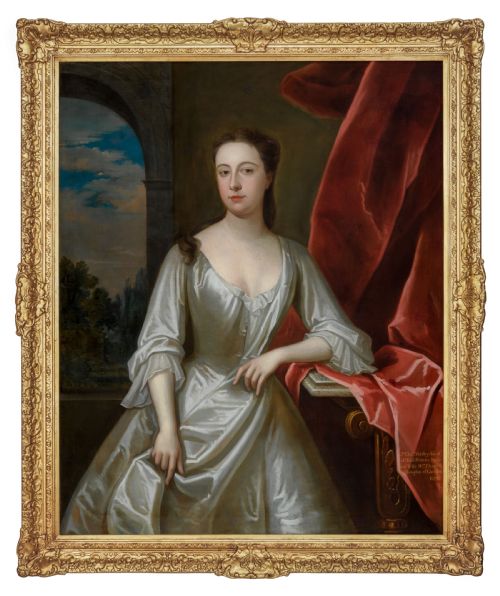
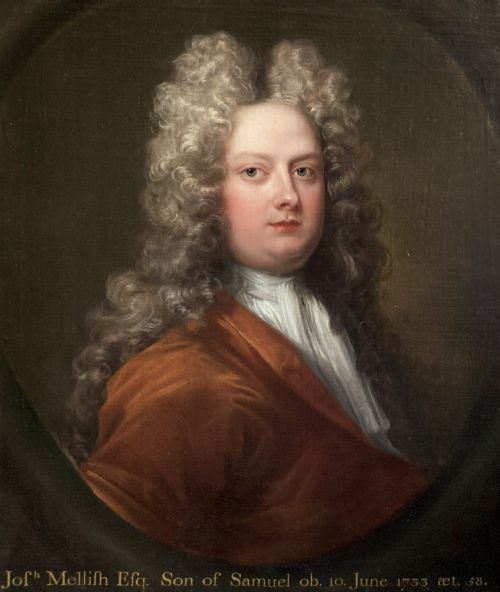
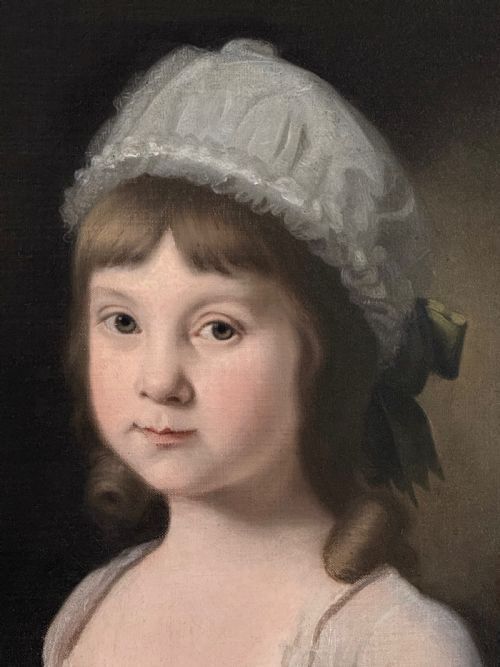
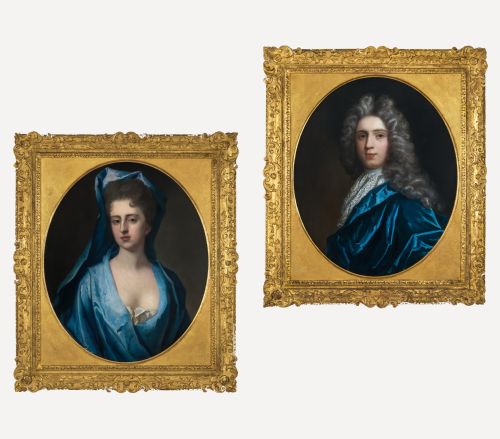
The pieces gathered here span canvases, panels, and works on paper created across the 18th century, recording the likenesses of landed gentry, naval officers, children, and ladies in court dress. You will most frequently encounter oil paintings on canvas depicting single sitters, either attributed to named regional studios or assigned broadly to the English School.
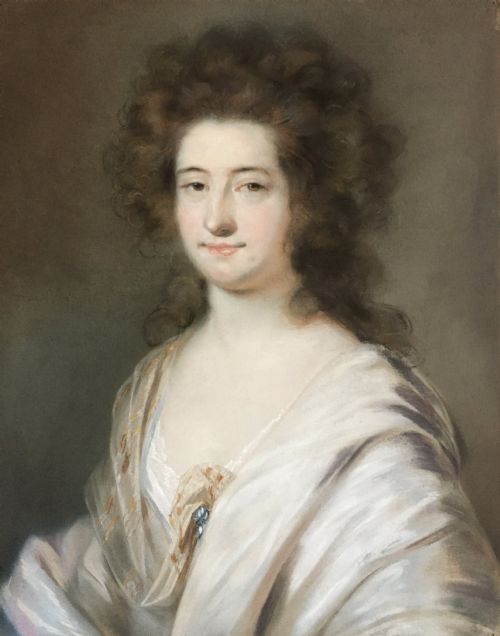
Subjects often hold props denoting their station or pursuits, such as letters, pipes, fruit baskets, or books, while others are set within domestic interiors or distant pastoral landscapes. Alongside grand scale original paintings, the selection includes smaller portrait miniatures, prints, and pastels that bring intimate scale to historical faces.
How They Were Made
Artists relied primarily on oil pigments bound in medium and applied to stretched canvas or wooden panels, sometimes utilising paper or pastel for softer, more immediate tonal effects. Canvases were often left unlined or mounted to wood supports during conservation, preserving the original weave and ground layers applied beneath the paint.
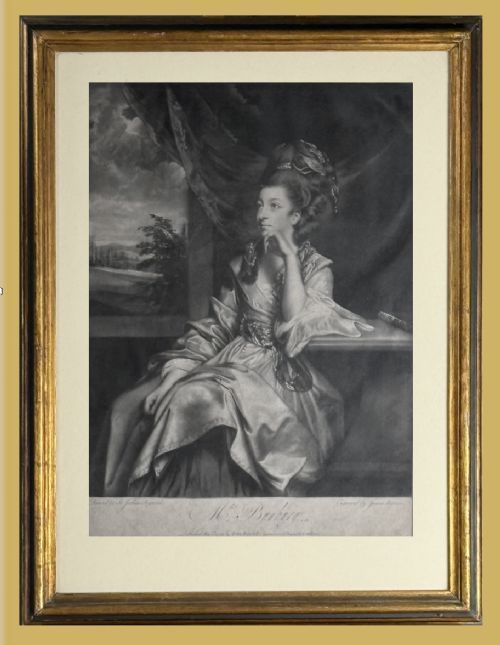
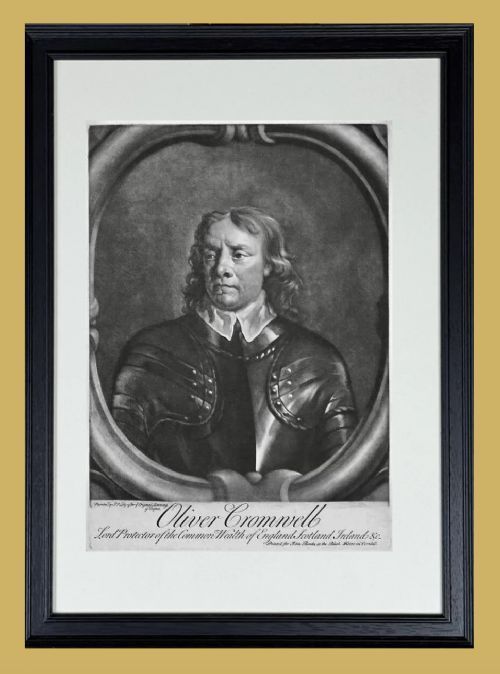
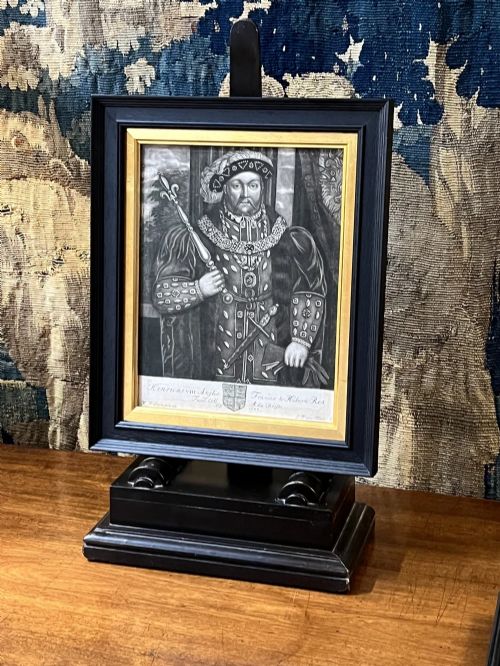
Frames play an integral role in the physical construction of these works, frequently consisting of carved giltwood ornamented with gold leaf that reflects the prevailing decorative tastes of the period. Engravings, mezzotints, and reverse glass prints introduced mechanical reproduction techniques, allowing popular likenesses by master painters to reach wider audiences.
The listings on this page span the 17th, 18th, and 19th centuries, uniting oil on canvas, wood panels, engravings, and delicate enamels.
What Varies in Quality
The survival of original unlined canvas and the condition of the underlying pigment layers dictate the integrity of a piece. Works retaining their period giltwood frames and clear provenance linking the sitter to a documented family command greater art historical interest.
Sir William Beechey·Sir Godfrey Kneller·Charles Jervas·Henry Bone·Sir Joshua Reynolds·James Watson·John Bowles·Peter Lely·Samuel Cooper·Michael Dahl·Thomas Murray·John Russell·John Faber Snr·Hans Holbein·Thomas Beach·Robert Byng·Alexander Van Aken·William Hogarth·John Opie·Trajan Hughes·Sir Thomas Wentworth·Jeremiah Davison·Adriana Verelst·George Frye·Joseph Highmore
The 18th Century English Portrait Glossary
- English School
- A designation applied to works produced by artists working in England whose specific individual hand remains unidentified. It groups together regional painters sharing common stylistic conventions of the period.
- Mezzotint
- A printmaking process of the printmaker's art that achieves rich tonal gradations through the roughening of a copper plate. It became widely utilised in the 18th century to translate famous painted portraits into multiple printed editions.
- Periwig
- A voluminous horsehair or human hair wig worn by fashionable men during the late 17th and early 18th centuries. Its presence in a portrait helps date the sitter's attire accurately.
- Giltwood
- Wood that has been coated with a thin layer of gold leaf or gold paint for decorative effect. Period frames executed in this technique often feature intricate carved mouldings.
- Unlined Canvas
- A painting support that has not been backed with a secondary modern canvas for structural reinforcement. Surviving in this state is prized by collectors for maintaining the canvas's original tension and texture.
18th Century English Portrait: Frequently Asked Questions
How do I date an 18th century english portrait?
Dating relies heavily on the evolution of costume, hairstyles, and accessories worn by the sitter. Gentlemen's coats, neckwear, and periwigs changed in cut and style across decades, providing reliable chronological markers.
Written inscriptions on the canvas or stretcher bars often record the sitter's age and the year the portrait was painted. Stylistic comparisons with documented works by contemporary artists further narrow the window of creation.
What is the English School?
The term denotes artists active in England who worked within prevailing national portrait traditions without necessarily achieving individual renown. These painters produced competent, professional likenesses for the gentry and middle classes.
Many pieces bearing this attribution reflect regional craftsmanship influenced by dominant court painters like Kneller or Reynolds. They offer an authentic window into period aesthetics and society.
Where should I hang an oil portrait?
Oil paintings on canvas require stable environmental conditions away from direct sunlight and excessive humidity. Wall placement should avoid exterior walls subject to dampness or locations directly above heat sources.
Traditional portraits look striking against darker, muted wall colours that complement the warm bitumen and earth tones typical of eighteenth-century palettes. Proper picture lighting enhances the depth of the varnish and the detail of the brushwork.
Why do some sitters hold objects?
Props served as visual shorthand to communicate a sitter's profession, status, intellectual pursuits, or personal interests to the viewer. Holding a skull memento mori, a builder's scroll, or a naval telescope instantly defined the subject's place in the world.
Botanical elements like posies or fruit baskets often symbolized fertility, innocence, or the transient nature of life. These symbolic items enrich our understanding of the individual's role in Georgian society.