

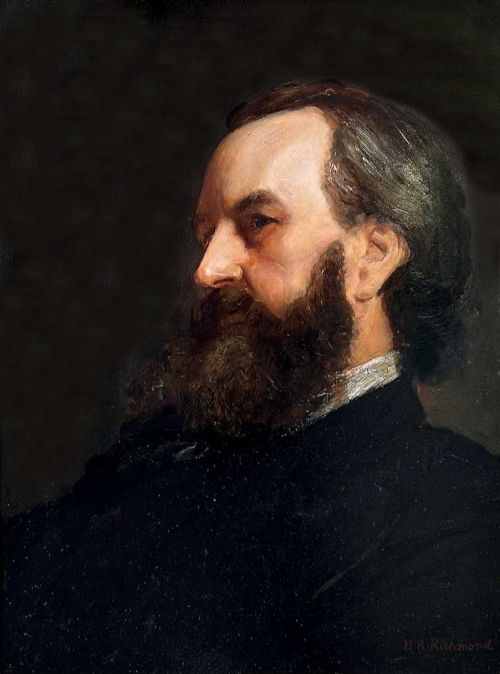


Brown Coat Gentleman Portrait
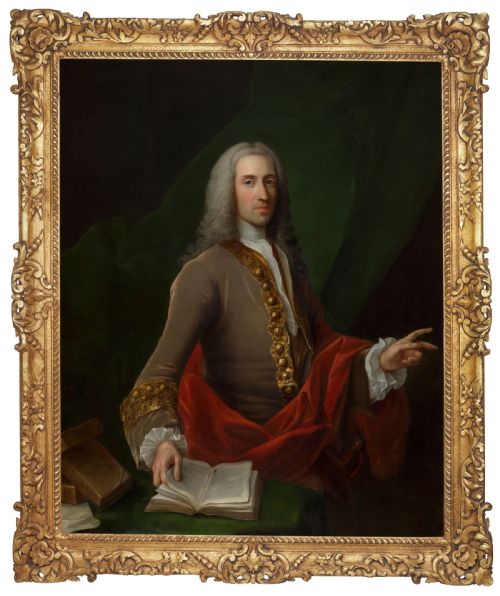
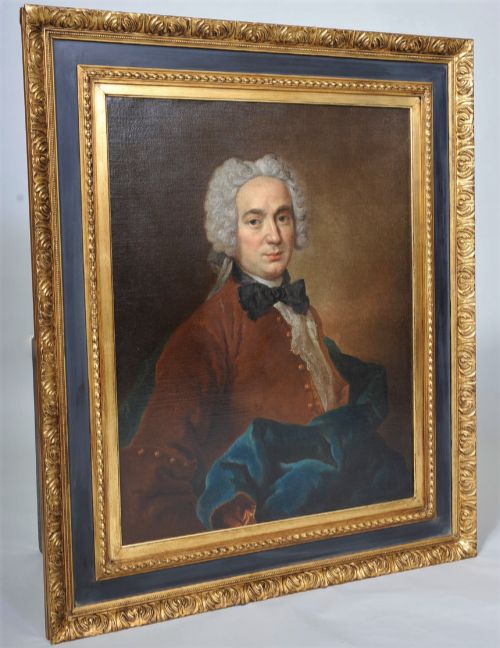
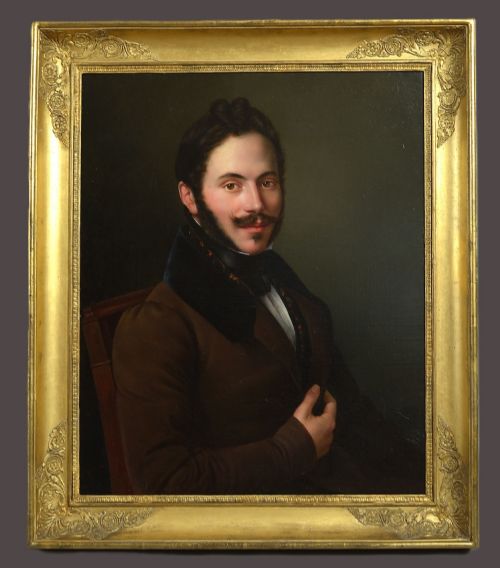
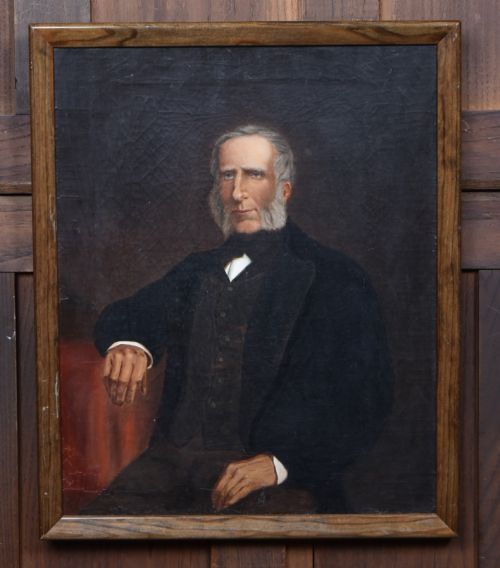
A brown coat gentleman portrait captures the distinct attire and steady gaze of historical figures through oil on canvas.
Brown Coat Gentleman Portrait
A brown coat gentleman portrait presents notable sitters, from merchants and lawyers to Earls and doctors, captured in formal oil on canvas. These works range from the seventeenth century through the Victorian era, reflecting changing fashions in portraiture over three hundred years.
The most common pieces on this page originate in the eighteenth century, rendered in oil paint upon canvas and housed within giltwood frames. They document real individuals of stature, often identified by name and title within the historical record.
Materials and Construction
Many of these paintings retain their original or period giltwood frames, constructed from carved wood finished with a layer of gold leaf. This combination of oil on canvas and gilded wood defines the physical makeup of the art.
One gentleman manages to look stern despite sitting alongside his daughter at a spinet.
Distinctions in Execution
The degree of anatomical precision in the sitter's hands and face separates standard studio output from the hand of a master painter. Finer works capture subtle shifts in light across fabric and skin with confident brushwork.
The quality of the surrounding frame also influences the piece, as deeply carved and gilded wood surrounds distinct from simpler mouldings indicate higher original investment in the commission.
Sir William Beechey·Jeremiah Davison·Edouard Pingret·William Blake Richmond·Richard Cosway·Thomas Hudson·Francis Alleyne·Sir James Guthrie·Lemuel Francis Abbott·Benjamin Marshall·Allan Ramsay·Sir Joshua Reynolds·Sir Godfrey Kneller·Sir William Charles Ross
The Brown Coat Gentleman Portrait Glossary
- Oil on Canvas
- A painting medium where pigments suspended in drying oils are applied to a woven fabric support. This technique allowed artists to achieve depth and rich colour transitions.
- Giltwood
- Wood that has been treated with a thin layer of gold leaf or powder. It provides an ornate, reflective border for historical paintings.
- Portraiture
- The art of depicting specific human subjects with an emphasis on likeness and character. It served as a primary visual record before the invention of photography.
- Stretchers
- The wooden framework upon which a canvas is pulled tight prior to painting. They maintain the tension and flat surface of the artwork.
Brown Coat Gentleman Portrait: Frequently Asked Questions
What periods do these portraits cover?
The works span multiple centuries, starting from the seventeenth century and extending through the Georgian, Regency, and Victorian periods.
Most examples date from the eighteenth and nineteenth centuries, reflecting the peak era of painted portraiture.
Who are the people shown in the art?
The sitters include identifiable historical figures such as merchants, lawyers, doctors, military captains, and titled nobility.
Many listings record the exact names, birth dates, and occupations of the individuals depicted.
How should I hang an oil painting?
These works require secure wall fixings capable of supporting the combined weight of the canvas, wooden stretcher, and heavy giltwood frame.
Placement should avoid direct sunlight and dramatic shifts in temperature or humidity to protect the oil paint.
Are the frames original to the canvases?
Many portraits retain period frames made of gilded wood that match the stylistic era of the painting itself.
These frames often show age-appropriate wear that complements the historical nature of the artwork.