




18th Century English Commode
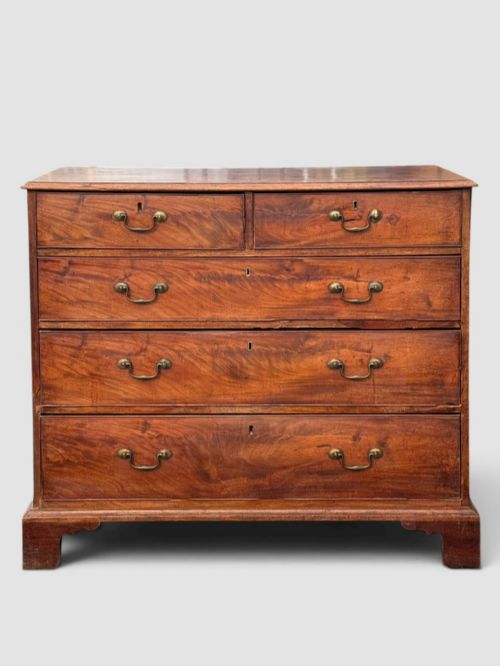
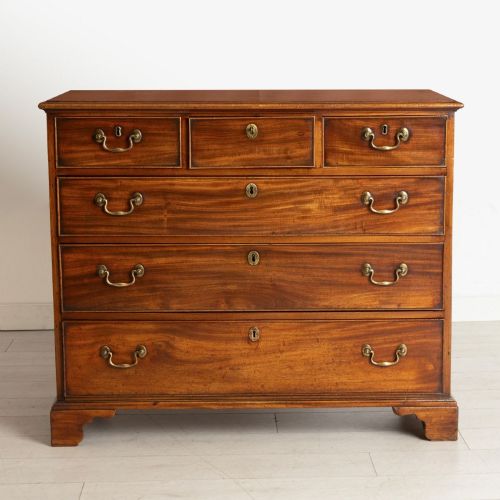
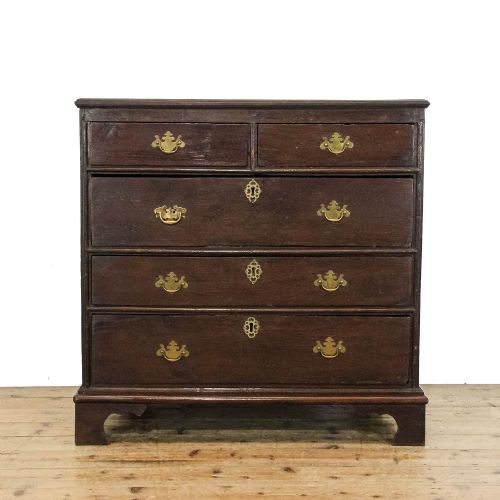
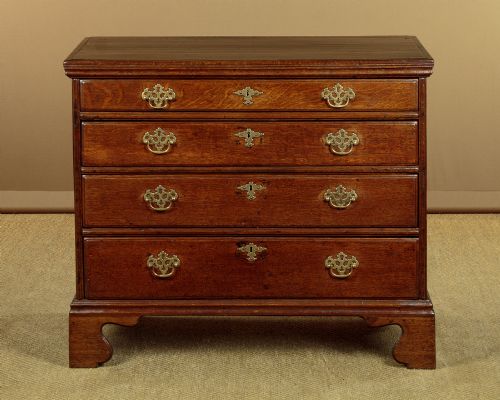
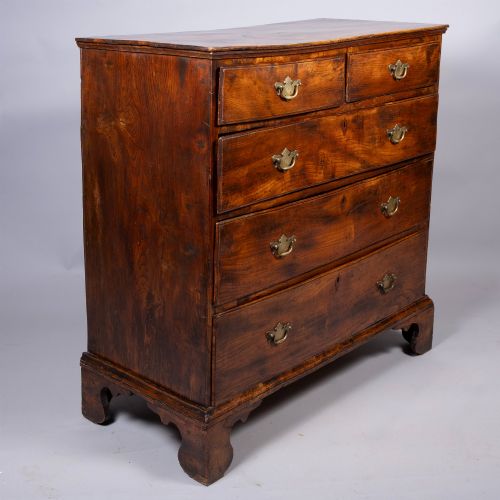
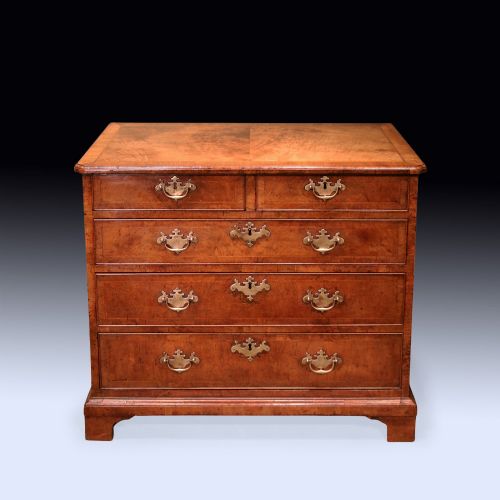
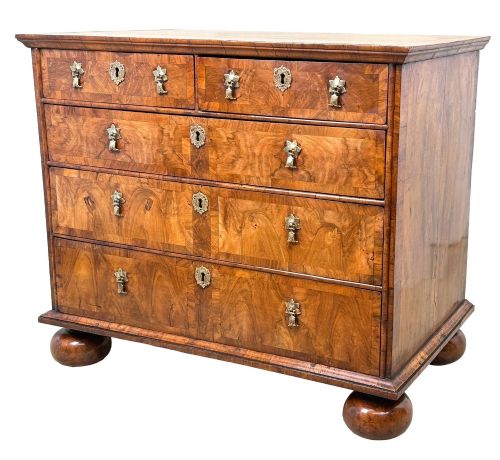
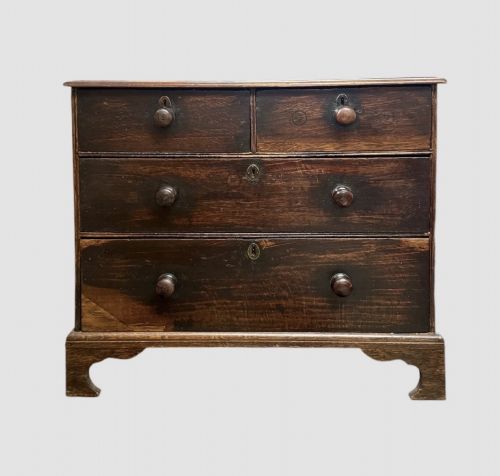
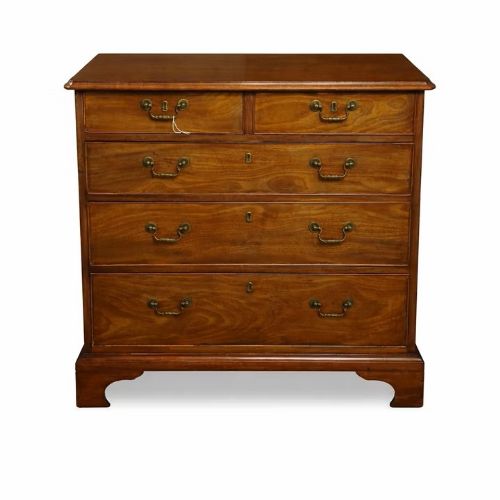
An 18th century english commode offers serious storage with architectural timber and polished brass handles that anchor a room.
18th Century English Commode
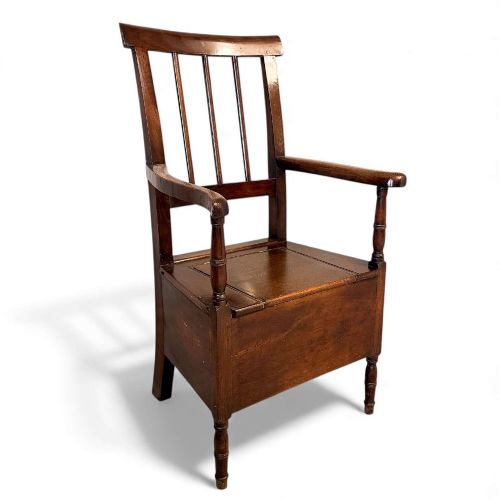
When you search for an 18th century english commode, you encounter a variety of forms spanning chest of drawers, bedside tables, cabinets, and commode chairs. The pieces on this page originate primarily from the Georgian era, George III, and Queen Anne periods, alongside examples dated broadly to the 18th century, 1750, 1800, and 1700.
The chest of drawers dominates the selection, appearing in straight-front, serpentine, and bow-front profiles alongside specialised forms like bachelor's chests with brushing slides and dressing chests. Alongside these are bedside night tables, cupboards, and cabinets representing domestic storage across the century.
Materials and construction
Cabinetmakers constructed these pieces from robust native and imported timbers, utilising mahogany, oak, walnut, elm, and satinwood. Many surfaces display figured grains or contrasting details such as cross-banding and feather-banded borders.
Hardware consists of brass handles and escutcheons secured to drawer fronts, while structural joints employ traditional carpentry techniques suited to the period of manufacture.
One early commode chair bridges the gap between seating and cabinetry with a c.1680-1720 date.
Timber selection and design
Quality separates ordinary storage from superior examples through the choice of timber and complexity of form. Flame mahogany, burr elm, burr yew wood, and figured walnut elevate the visual presence of a piece compared to plain timber.
Form dictates the upper tier of the range, where serpentine fronts, demi-lune shapes, and intricate cross-banding or wood inlay reflect higher skill from the cabinetmaker.
The 18th Century English Commode Glossary
- Commode
- A low cabinet or chest of drawers designed for domestic use. In 18th-century English furniture, the term applies to sophisticated case pieces with decorative timber work.
- Brushing slide
- A pull-out shelf integrated into the upper section of a chest or bachelor's chest. It provided a surface for grooming or sorting items without opening the main drawers.
- Serpentine front
- A curved drawer front that undulates outward in the centre and inward at the sides. This profile required skilled carpentry to shape the timber accurately.
- Cross-banding
- A decorative border technique where strips of veneer are laid around the perimeter of a drawer front or top with the grain running perpendicular to the centre panel.
- Feather-banding
- A delicate inlay technique utilising two strips of veneer cut to create a herringbone pattern resembling a feather. It borders drawer panels on walnut pieces.
18th Century English Commode: Frequently Asked Questions
What is an 18th century english commode?
An 18th century english commode is a case piece designed for storage, encompassing chests of drawers, cabinets, and bedside tables from the Georgian era and surrounding periods.
These items served domestic functions in bedrooms and living spaces, constructed from timbers like mahogany, walnut, and oak.
How do I identify a George III chest of drawers?
George III pieces typically date from the second half of the 18th century and often feature mahogany construction, sometimes with flame figuring or serpentine fronts.
They rely on proportion and brass hardware rather than heavy carving, reflecting neoclassical influence as the period progressed.
Where were these pieces used in the home?
These items functioned primarily as bedroom furniture for storing clothing, linens, and personal effects, or as bedside night tables.
Larger chests and cabinets also stood in hallways and reception rooms to display objects on top while housing storage below.
How do I live with antique timber furniture?
Living with these pieces involves placing them away from direct heat sources and strong sunlight to protect the aged timber and veneer surfaces.
Regular polishing with appropriate wax maintains the finish of woods like mahogany, walnut, and oak over time.
What is the difference between a chest of drawers and a commode?
While the terms often overlap in modern listings, a chest of drawers focuses on horizontal tiers of storage, whereas a commode historically denotes a more ornamental cabinet form.
Both categories utilise period woods and brass mounts across the Georgian era.