

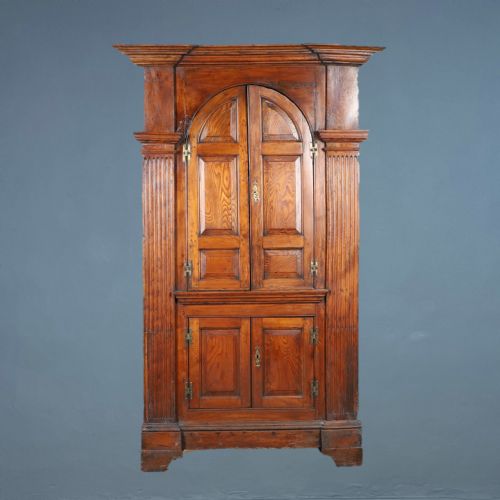
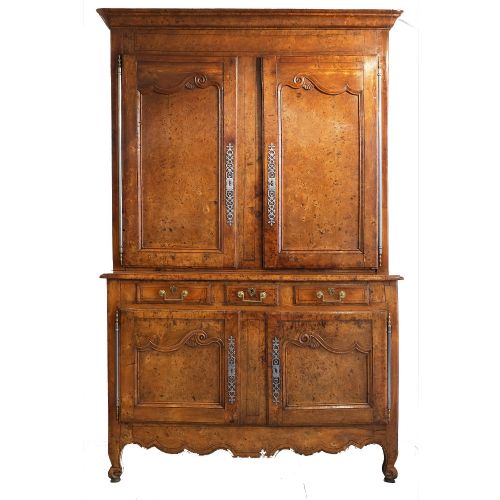


18th Century Elm Cupboard
An 18th century elm cupboard brings tactile warmth and distinct vernacular character to an interior.
18th Century Elm Cupboard
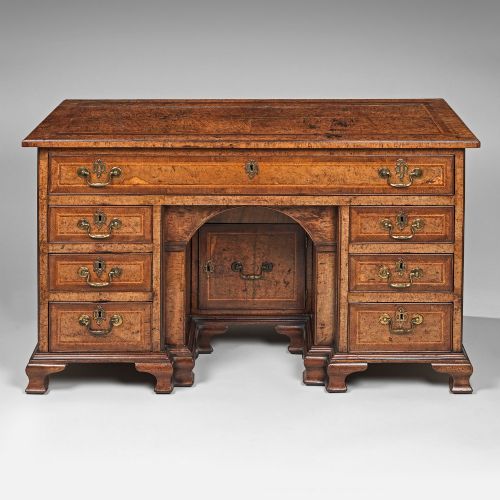
The material vocabulary spans solid elm, burr elm, and occasionally mixed timbers such as ash and oak. Many examples reflect vernacular traditions from English, Welsh, and French provincial workshops, dating predominantly from the eighteenth century into the early nineteenth century.
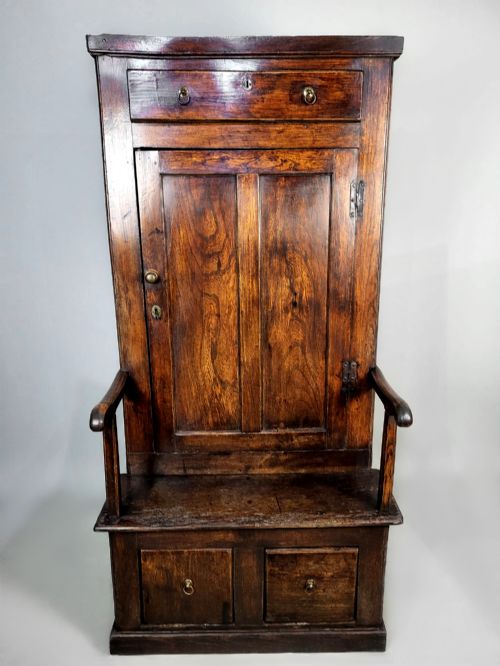
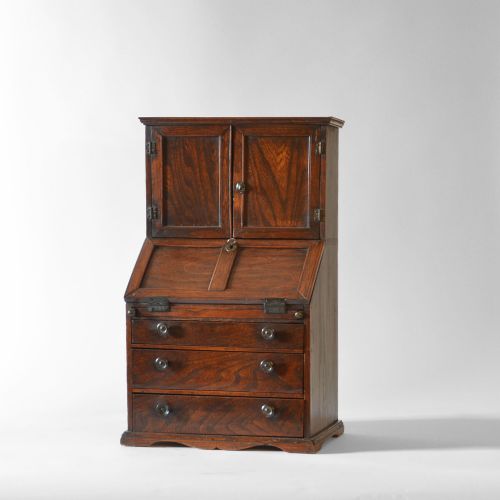
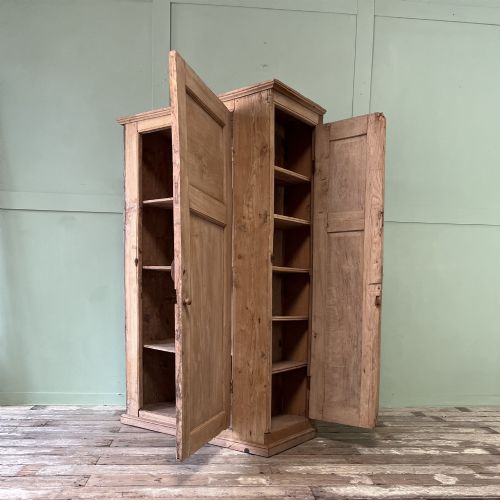
Form follows function closely in these pieces, displaying architectural standing corners, two-body units, and bacon settles with integrated storage. Their surfaces showcase rich grain patterns developed over centuries of handling and daily use.
How they were made
Joiners and cabinet makers utilised native elm, valued for its tough, interlocking grain, alongside decorative burr sections for prominent surfaces. Secondary timbers like oak and ash frequently reinforced internal structures and drawer linings.
Construction relied on traditional joinery methods combined with brass or steel hardware and occasional wood inlay details. Craftsmen shaped these sturdy domestic woods into architectural cornices, panelled doors, and dovetailed drawers designed to endure.
18th Century Elm Cupboard Retail Price Guide 2026
Typical asking prices for 18th century elm cupboard among the pieces listed under this phrase on Sellingantiques today, from the lower quarter to the upper quarter. They describe what is for sale here now, not the wider market.
Early bacon settles doubled as furniture and larder, keeping cured meats safely locked away from hungry household pets.
What varies in quality
The hierarchy of quality rests on the selection of timber figure, particularly the richness of burr elm and the coherence of the grain. Pieces exhibiting exceptional choice of wood and refined vernacular proportions command greater appreciation.
Construction integrity and the survival of original surface patination distinguish finer examples from altered ones. The harmony between regional character and cabinet-making refinement dictates the standing of each piece.
The 18th Century Elm Cupboard Glossary
- Vernacular
- Furniture made by local craftsmen for everyday domestic use, often employing regional styles rather than metropolitan fashions. These pieces emphasise practicality and local timber traditions.
- Burr elm
- A growth deformity in the elm tree that produces highly figured, swirling wood grain. Cabinet makers prized this timber for decorative veneers and prominent panels.
- Deux corps
- A large two-part cabinet structure consisting of an upper section resting upon a lower base. This French provincial form provides substantial storage capacity.
- Bacon settle
- A high-backed wooden bench featuring an integrated storage cupboard or locker beneath the seat. Historically utilised in farmhouses for curing and storing meat.
- Demi-lune
- A half-moon or semicircular shape commonly found in commodes and side tables. This design gained popularity during the neoclassical period.
18th Century Elm Cupboard: Frequently Asked Questions
What is an 18th century elm cupboard?
An 18th century elm cupboard is a domestic storage piece built from native elm wood during the Georgian period. These items include corner cupboards, food larders, and court cupboards made by regional craftsmen.
They reflect the domestic requirements of rural households, combining robust utilitarian design with the natural decorative qualities of elm timber.
How were elm cupboards used originally?
These cupboards served primarily for storing food, dry goods, household linens, and tableware within domestic settings. Food cupboards often featured ventilated panels to keep provisions fresh.
Larger forms such as court cupboards and settles offered multi-purpose storage and seating for busy farmhouse interiors.
How do you identify elm wood?
Elm timber is distinguished by its interlocking grain pattern, which gives the wood high resistance to splitting. It displays a warm, fibrous texture that patinates richly over time.
Burr elm exhibits distinct swirling patterns and knots, making it particularly sought after for decorative furniture fronts and tabletops.
Where were these cupboards made?
Makers constructed these pieces across English, Welsh, and French provincial workshops using locally sourced timber. Regional woodworking traditions heavily influenced the design and construction methods.
Rural joiners adapted metropolitan styles to suit local materials and the specific storage needs of country homes.
How do you care for an elm cupboard?
Living with antique elm requires maintaining stable indoor humidity levels to prevent the timber from drying out or splitting. Gentle dusting with a soft cloth preserves the historic surface finish.
Avoiding direct sunlight and heat sources protects the natural grain and prevents warping in the aged wood.