
18th Century Dresser Cabinet
An 18th century dresser cabinet brings foundational storage and storied timber warmth into a room.
18th Century Dresser Cabinet
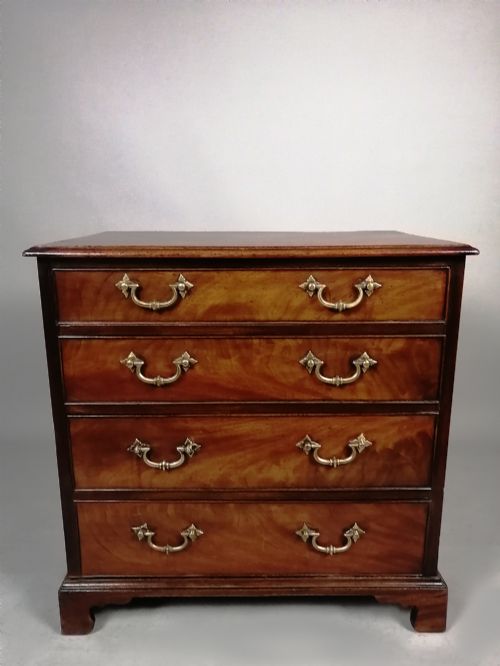
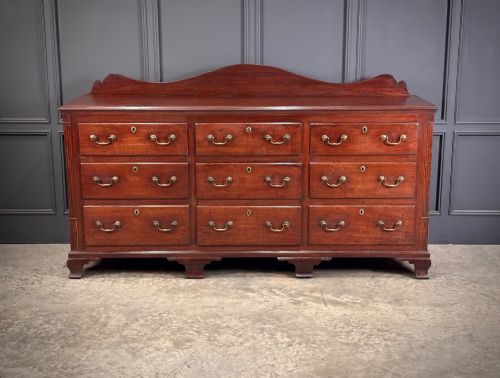
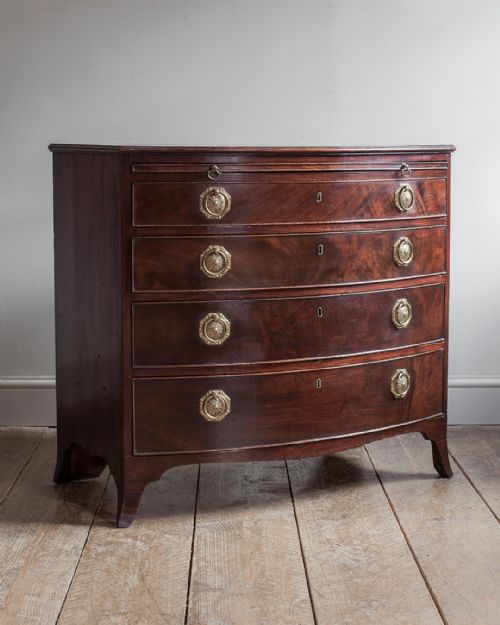
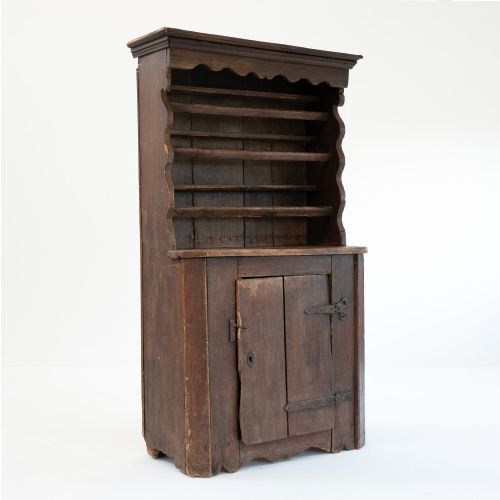
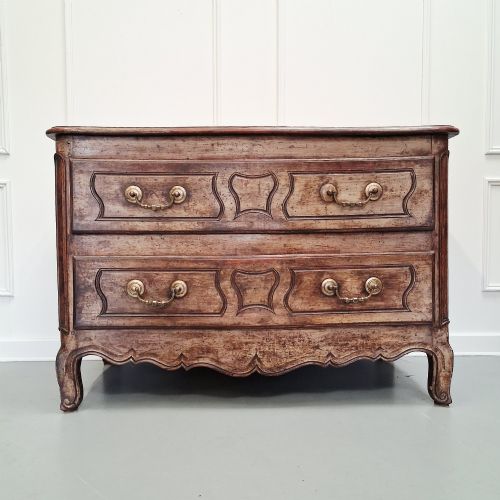
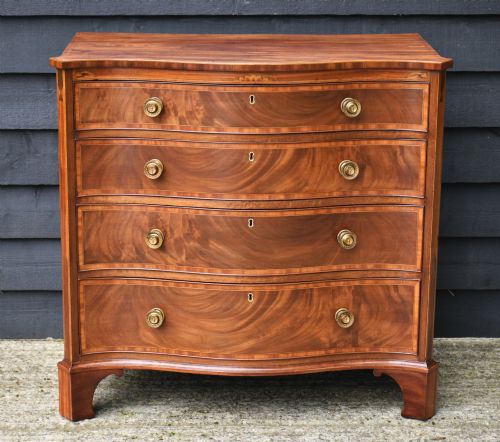
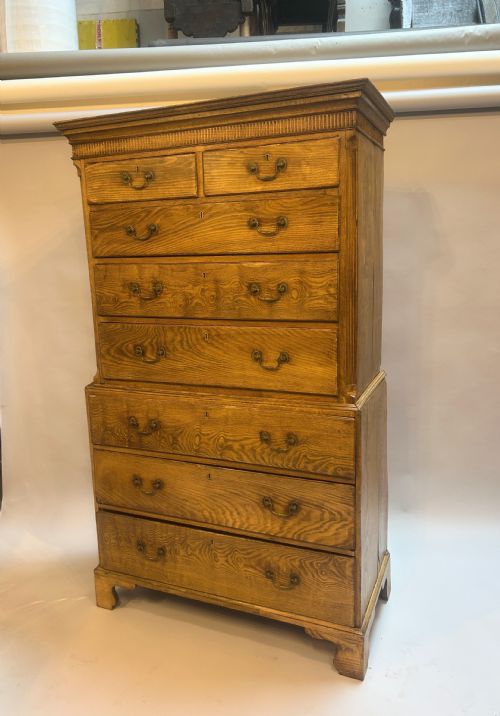
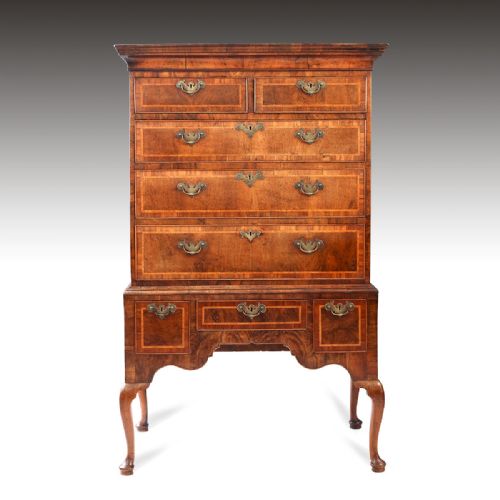
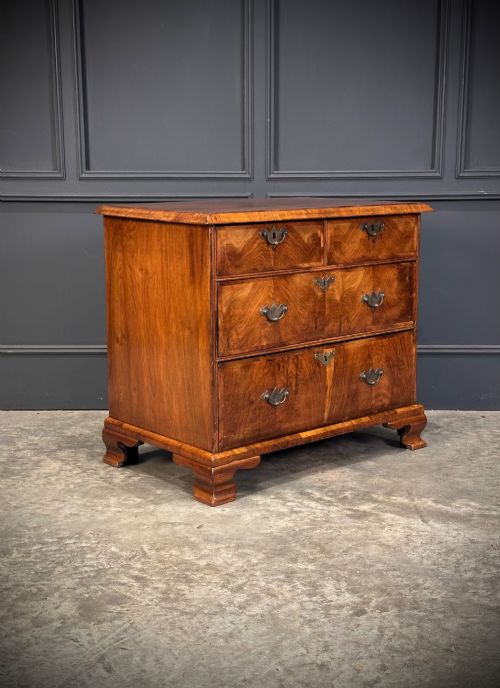
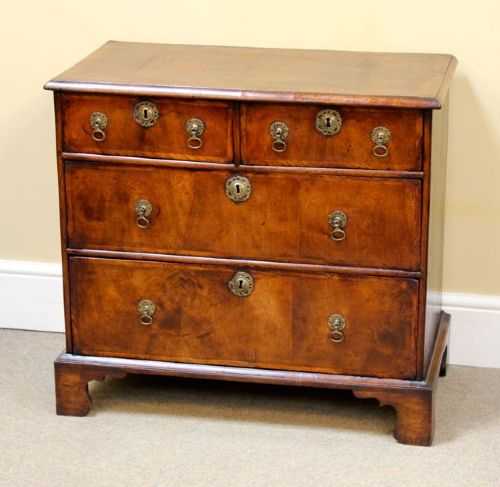
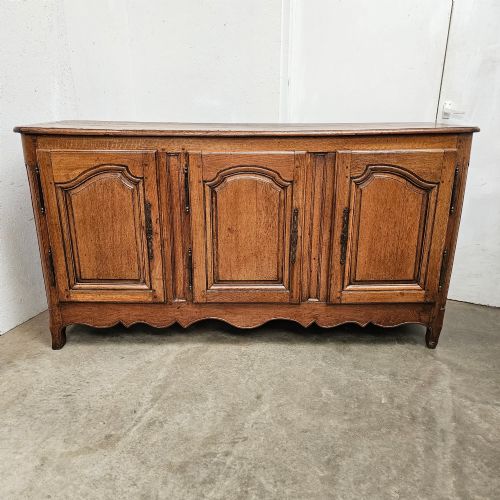
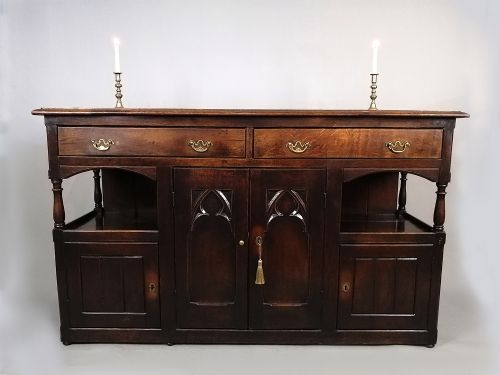
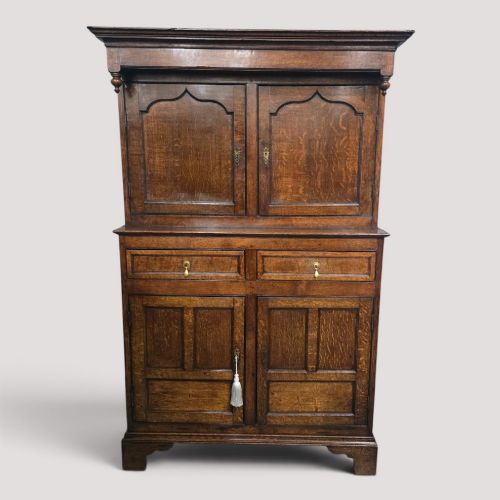
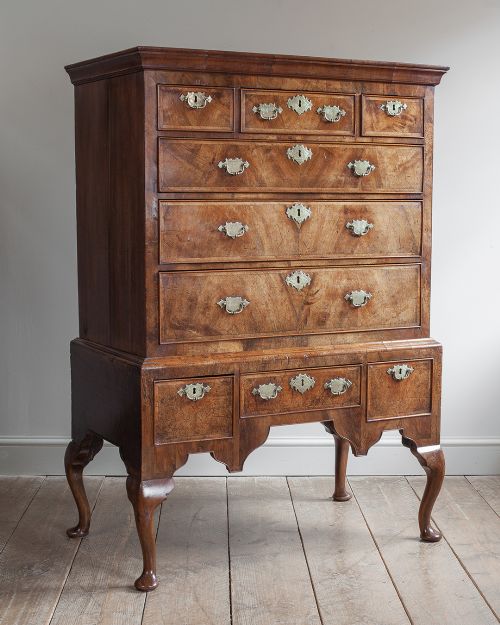
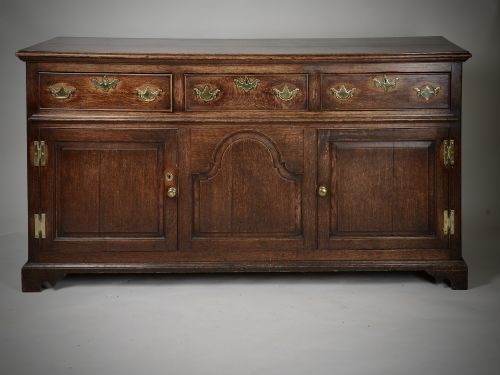
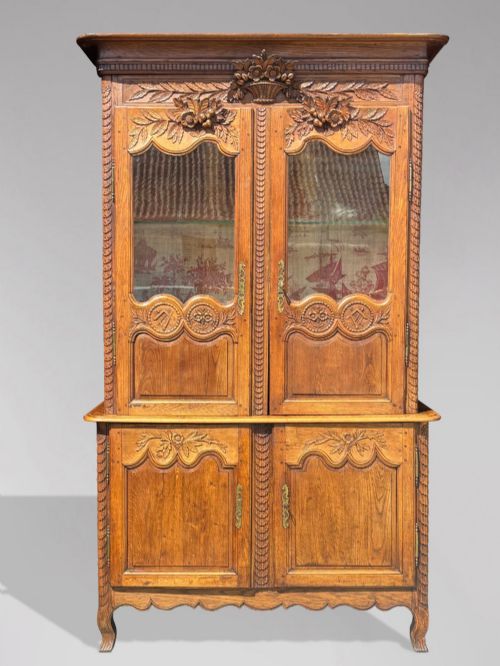
When you search for an 18th century dresser cabinet, you encounter a diverse group of domestic storage furniture spanning oak dresser bases, walnut chests of drawers, and tall mahogany storage pieces. The pieces listed on this page range from early George II walnut chests to late 18th century Irish painted dressers and French provincial buffets, reflecting both British and continental forms.
You are most likely to meet oak dresser bases, mahogany chests of drawers, and two-part cupboards originating from the 18th century and the broader Georgian period. These items combine practical surface space with deep drawers, open plate racks, or enclosed shelving designed for everyday utility.
Regional variations appear clearly across the selection, from Welsh oak potboard dressers and Norfolk chests to French cherrywood commodes and oak tridarns. Each piece demonstrates the local timber choices and domestic requirements of its specific origin.
Materials and Construction Methods
The pieces rely heavily on domestic and imported timbers such as oak, mahogany, walnut, elm, ash, and cherrywood, often enhanced with burr walnut veneers or satinwood inlay. Cabinet makers joined solid planks and figured veneers using traditional dovetailing and pegged framing to ensure lasting structural stability.
Hardware such as brass handles, escutcheons, and hinges are integral to the construction, while original painted finishes and polished wood surfaces display the direct hand of the period artisan. Secondary timbers inside drawer linings and backboards further reveal the authentic workshop practices of the eighteenth century.
Listings feature robust 18th century oak dresser bases alongside refined mahogany chests of drawers, walnut cabinets, and regional country furniture.
Distinctions in Quality and Make
The distinction between standard domestic utility and superior craftsmanship rests on the choice of timber and the sophistication of the joinery. Figured mahogany, rich burr walnut, and select quarter-sawn oak denote a higher tier of production commissioned for affluent households.
Refinements such as serpentine drawer fronts, architectural cornices, intricate inlay work, and retained original surfaces elevate certain pieces significantly above simpler regional work. The harmony of proportions and the preservation of authentic period hardware distinguish the finest examples in this category.
The 18th Century Dresser Cabinet Glossary
- Dresser base
- A low wooden sideboard or table featuring drawers and sometimes a lower potboard shelf, traditionally used for food preparation and serving. It forms the lower section of many country kitchen arrangements.
- Chest on stand
- A tall drawer section elevated on a separate framework with legs, popular during the late 17th and early 18th centuries. This form lightens the visual weight of heavy storage furniture.
- Commode
- A decorative low chest of drawers or cabinet of French origin, often featuring curved serpentine fronts and fine veneer work. They served both utilitarian and formal reception room functions.
- Secretaire
- A cabinet or chest incorporating a pull-down writing drawer fitted with small compartments and pigeonholes. It combines a writing desk with standard drawer storage.
18th Century Dresser Cabinet: Frequently Asked Questions
What is a dresser base?
A dresser base is a freestanding wooden cabinet featuring multiple drawers and occasionally an open lower shelf known as a potboard. These sturdy pieces were built for everyday domestic utility in kitchens and dining rooms.
Over time, many lost their upper plate racks, leaving the robust base functioning independently as a sideboard.
How do I identify a Georgian chest of drawers?
Georgian chests of drawers typically feature hand-cut dovetail joints, solid timber drawer linings, and characteristic proportions associated with the 18th century. Details such as bracket feet, ogee mouldings, and brass swan-neck handles help date the piece.
Finer examples may incorporate mahogany or walnut veneers, serpentine fronts, and decorative stringing.
What is a deux corps cabinet?
A deux corps cabinet is a large two-part storage piece consisting of a substantial lower base and a matching upper cupboard section. Originating primarily in continental Europe, these imposing items provided extensive secure storage for household linens and provisions.
They are frequently constructed from oak or fruitwoods with panelled doors and moulded cornices.