


18th Century Drawer Unit
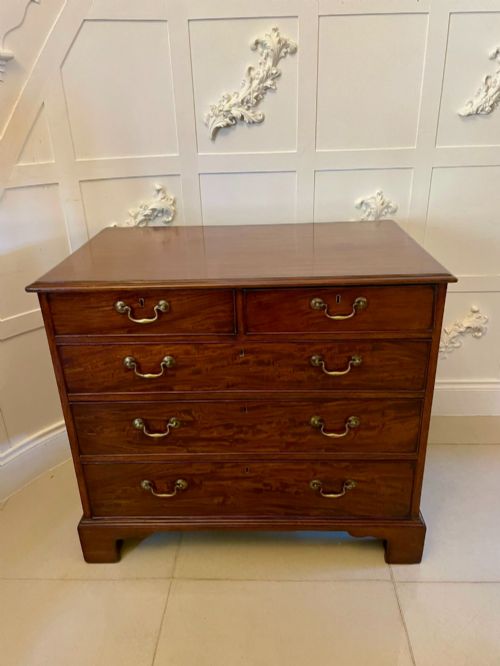
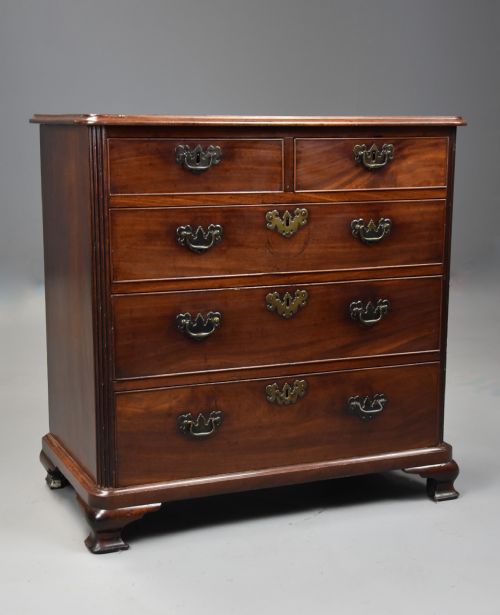
An 18th century drawer unit offers robust storage built from timber like mahogany, walnut and oak during the Georgian era.
18th Century Drawer Unit
When you search for an 18th century drawer unit, you encounter practical storage pieces constructed predominantly during the Georgian, Queen Anne and George III periods. These items range from compact chests on stands to tallboys and housekeeper cupboards designed to hold domestic goods.
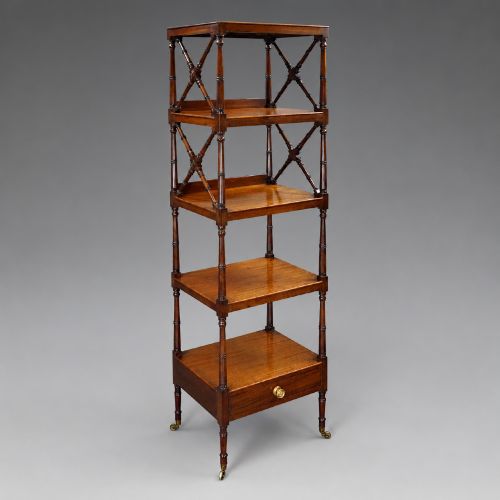
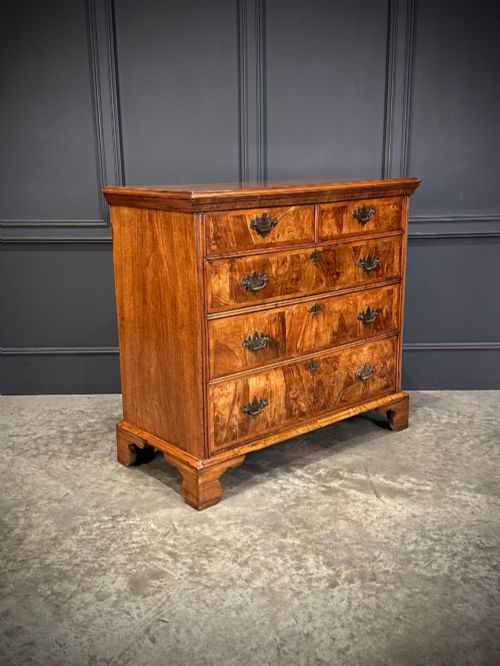
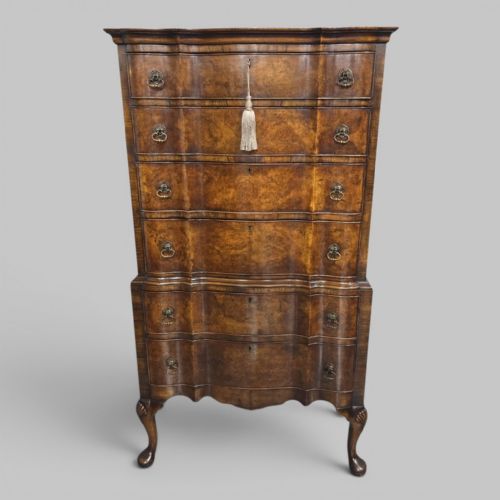
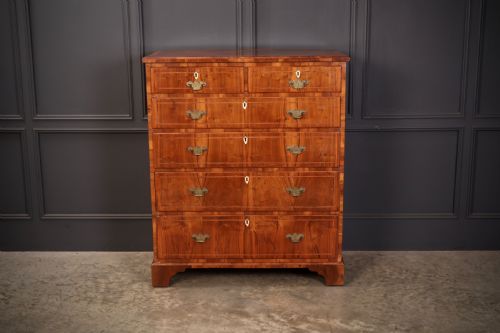
The most common form on this page is the mahogany or walnut chest of drawers, often featuring multiple long tiers for garments or linens. Alongside these standard chests, the listings include specialised forms such as writing drawer chests, dressing chests and small proportions whatnot units.
How they were made
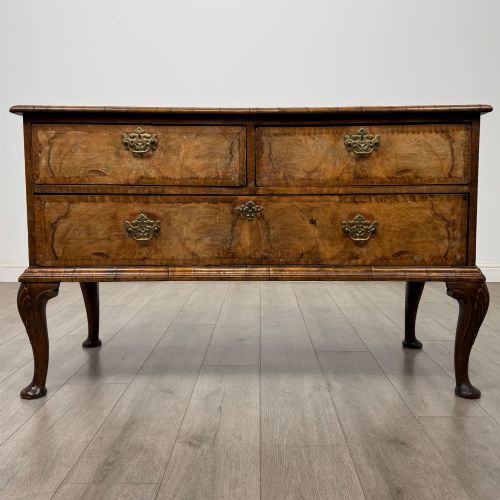
Cabinetmakers constructed these drawer units using solid timbers including mahogany, oak, walnut and yew wood, frequently selecting burr walnut veneers for decorative surfaces. Secondary woods like pine appear in internal drawer linings and carcass backs.
Metal hardware such as brass handles and escutcheons punctuate the facades, while bone details occasionally accent the woodwork. Finishes range from polished patinated timber to distressed mottled blue paint on oak or pine structures.
The listings on this page span the Georgian, Queen Anne and George III styles, utilising materials like brass, mahogany, oak and burr walnut.
What varies in quality
Quality across these drawer units rests in the choice of timber figurations, such as highly figured mahogany or intricate burr walnut veneers, which elevate the visual impact of the piece. Proportion also dictates standard, with small proportions and unusual designs commanding particular attention from collectors.
The 18th Century Drawer Unit Glossary
- Tallboy
- A tall chest of drawers stacked vertically, often comprising a smaller chest sitting upon a larger base chest.
- Serpentine
- A furniture front curving outward at the centre and inward at the sides in a gentle wave shape.
- Chest on stand
- A drawer unit elevated on a separate frame with legs, lifting the storage compartment off the floor.
- Writing slide
- A pull-out shelf concealed above the top drawers, designed for correspondence or writing tasks.
- Patina
- The deep surface sheen and mellow colour developed by aged wood through decades of handling and wax polishing.
18th Century Drawer Unit: Frequently Asked Questions
What is an 18th century drawer unit?
An 18th century drawer unit is a piece of wooden storage furniture made during the Georgian period, including chests of drawers, tallboys and cupboards.
These pieces were constructed by period cabinetmakers using timbers such as mahogany, oak and walnut to serve domestic storage needs.
How do I identify a George III chest?
A George III chest of drawers typically dates from the second half of the 18th century, displaying classical proportions and refined timber choices.
Look for characteristics like figured mahogany, brass drop handles and bracket feet that define the prevailing style of that reign.
Were all drawer units made of mahogany?
No, makers utilised a variety of timbers depending on availability and regional preference throughout the 18th century.
While mahogany and walnut appear frequently, listings also include pieces fashioned from solid oak, yew wood and pine.
What is a housekeeper cupboard?
A housekeeper cupboard is a large storage piece used in traditional estates to hold household linens, provisions and tableware.
These functional oak or mahogany units provide substantial enclosed shelving alongside lower drawer storage.
How do I care for antique timber?
Caring for antique drawer units involves placing them away from direct heat sources and sudden temperature fluctuations.
Apply a traditional beeswax polish occasionally to maintain the surface patina without stripping the historic finish.