


18th Century Display Shelves
These 18th century display shelves bring tactile warmth and structured storage to a room through centuries of timber craftsmanship.
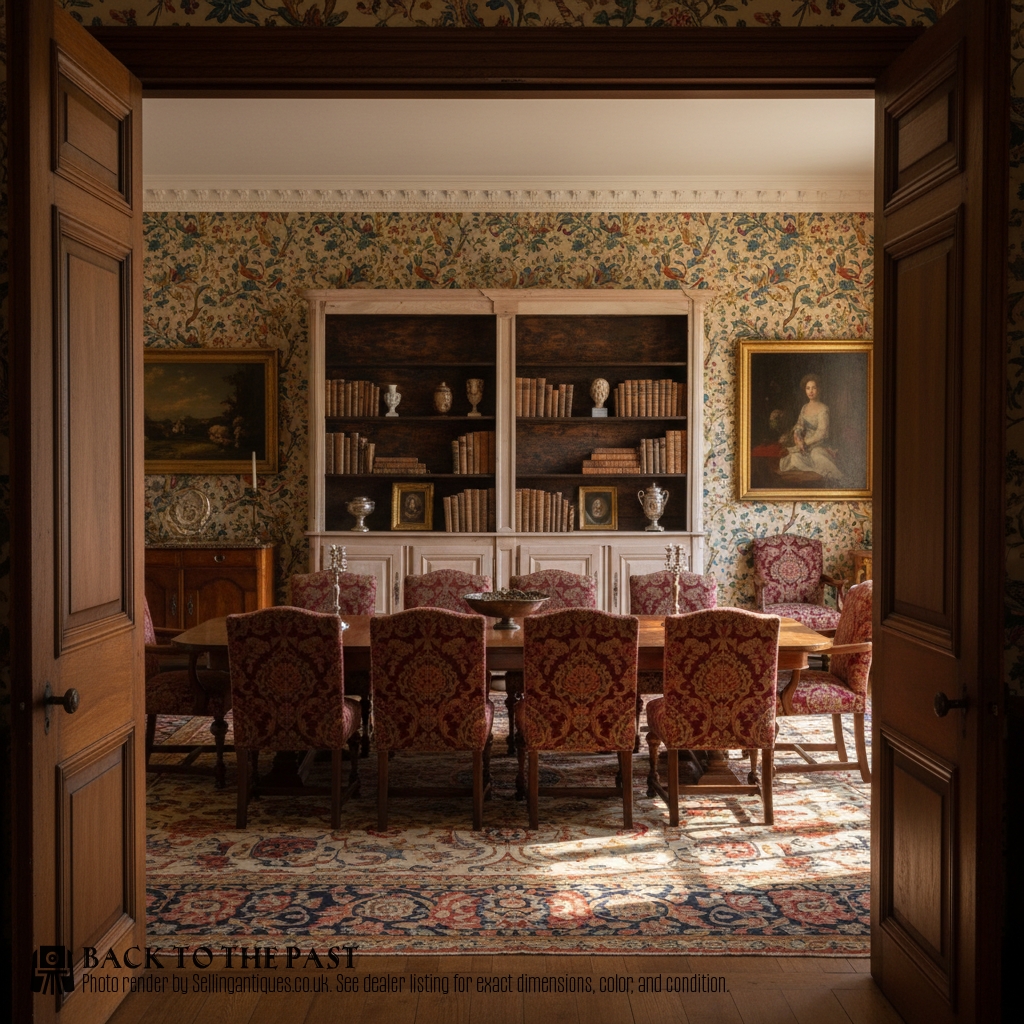
18th Century Display Shelves
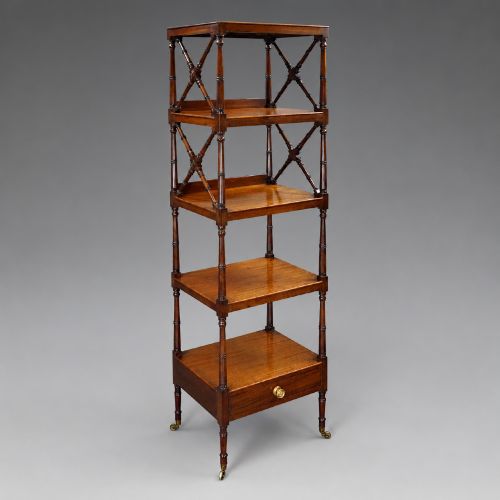
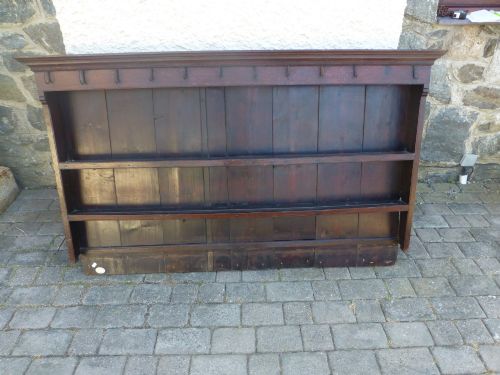
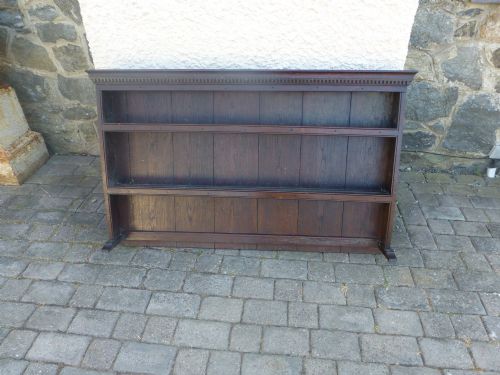
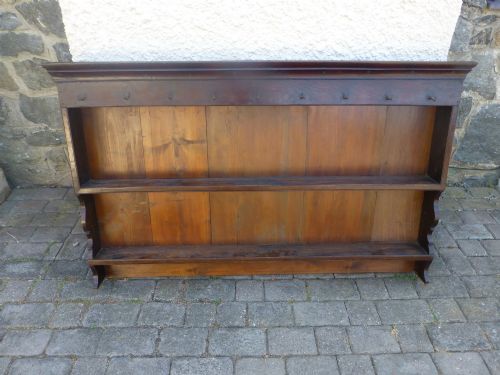
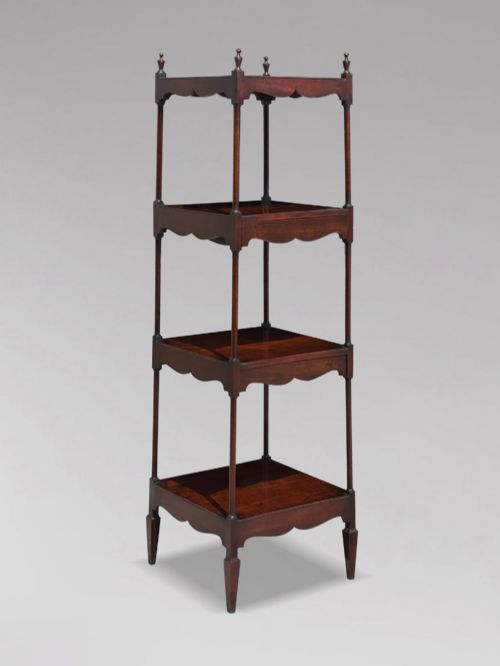
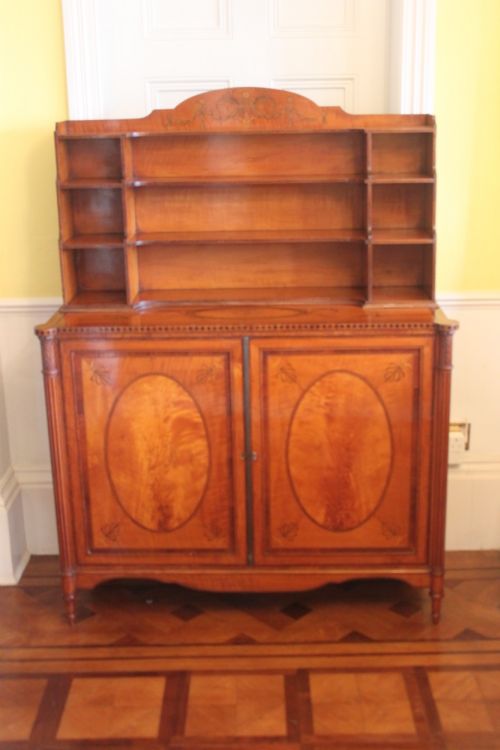
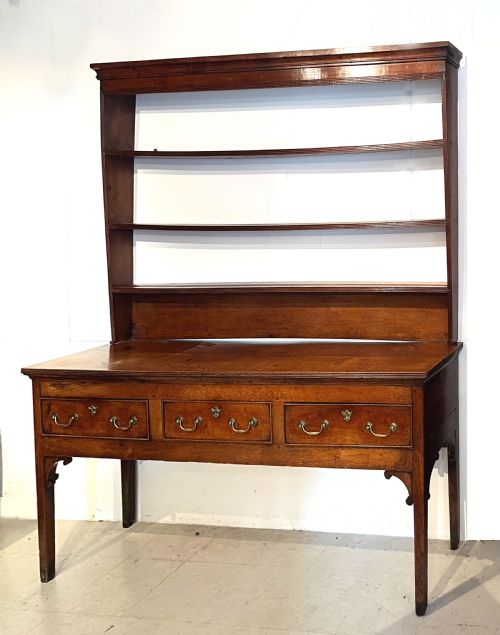
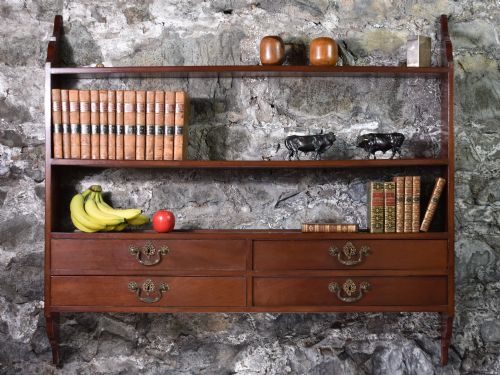
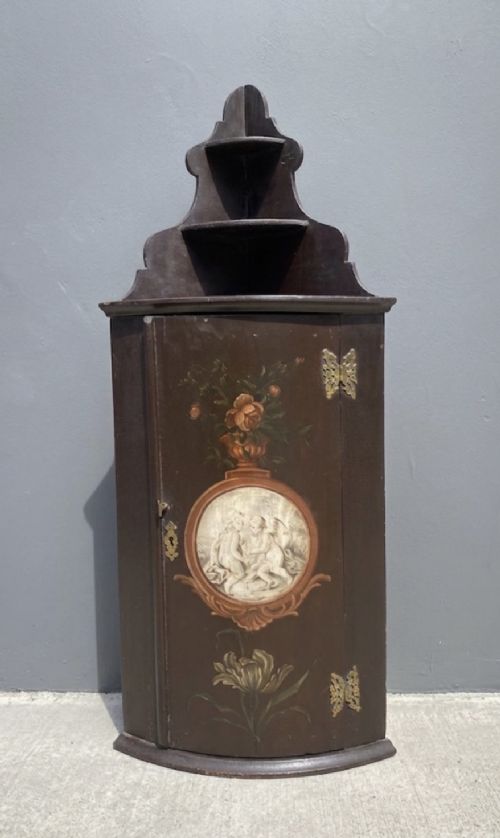
When you search for 18th century display shelves, you encounter an array of utilitarian and formal storage furniture designed to exhibit ceramics, books and household objects. The selections span sturdy country dressers, hanging plate racks, corner cabinets and tiered whatnots from Georgian and provincial workshops.
You are most likely to meet oak and mahogany plate racks or wall shelves on this page, alongside freestanding bookcases and corner cupboards. These pieces reflect the domestic habits of the Georgian era, where displaying tableware and volumes demonstrated household status.
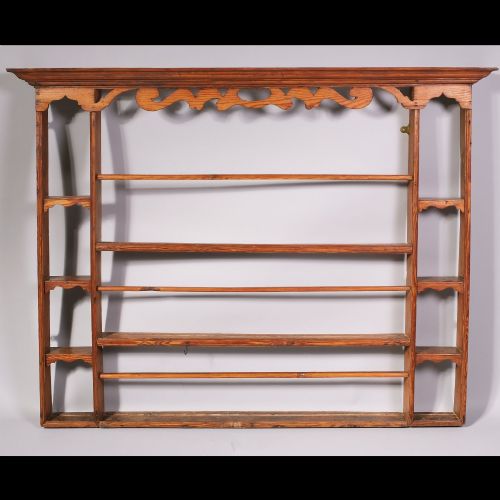
The forms range from compact pine wall racks with fretwork details to large breakfront bookcases and two-part Welsh dressers. Each piece provides open or enclosed shelving rooted in 18th century spatial requirements.
How they were made
Cabinet makers relied primarily on solid oak, mahogany, pine and walnut, frequently pairing denser primary woods with secondary timbers like deal or fruitwood. Construction involved traditional joinery such as dovetailing for drawer boxes and mortise and tenon joints for structural frames.
Surface treatments varied from waxed and polished hardwoods to painted and gilded finishes, sometimes incorporating satinwood inlay or brass hardware. Regional vernacular pieces often display hand-carved architectural elements like Corinthian columns or fretwork crests.
Early plate racks occasionally retain stubborn traces of old flour paste behind the frieze.
What varies in quality
Quality separates pieces by the crispness of hand-carved details, the selection of figured timber veneers, and the integrity of original structural joints. Superior examples maintain uncompromised proportions and authentic surface patination accumulated through generations of use.
Lesser items may show heavy timber replacement, unsympathetic stripping of original painted or waxed surfaces, or compromised structural framing. The refinement of mouldings, such as delicate fretwork or well-turned columns, distinguishes standard utility furniture from sophisticated cabinet work.
Gillows
The 18th Century Display Shelves Glossary
- Whatnot
- A set of open shelves used for displaying small objects or books. These pieces typically feature multiple tiers supported by slender uprights.
- Delft rack
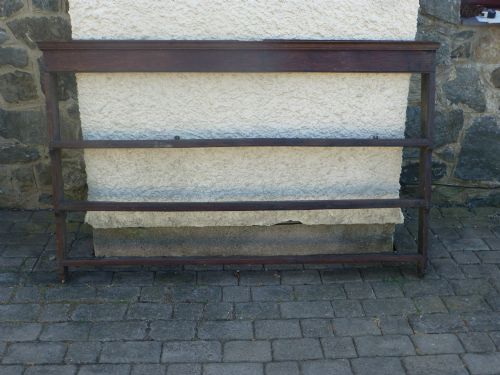
- A wall-mounted or dresser-top rack specifically designed to display plates upright. They often incorporate plate grooves and narrow wooden retaining rails.
- Breakfront
- A cabinet or bookcase whose central section projects forward from the flanking wings. This architectural form creates visual depth in large library furniture.
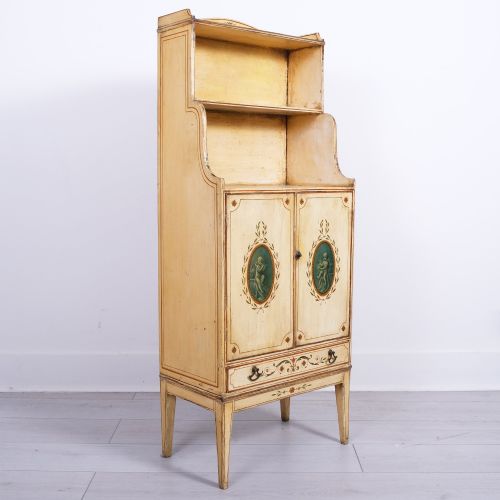
- Waterfall bookcase
- A set of open shelves where each successive shelf steps back from the one below. The sides typically follow a sloping curve resembling a cascade.
- Fretwork
- Openwork ornamentation cut from a thin board using a fretsaw. This decorative technique appears frequently on the crest rails of hanging shelves.
18th Century Display Shelves: Frequently Asked Questions
How were 18th century display shelves used?
Households utilised these shelves to showcase valuable ceramic plates, delftware and leather-bound books in dining rooms and parlours.
Open racks kept everyday crockery accessible, while enclosed cupboards protected delicate items from dust and soot.
How do I distinguish a wall shelf from a plate rack?
Plate racks feature specific wooden grooves or shallow ledges designed to hold ceramic plates upright without sliding.
General wall shelves provide flat horizontal surfaces intended for books, small sculptures or miscellaneous display objects.
Are these shelves suitable for modern walls?
Hanging shelves require secure attachment to solid wall studs due to the considerable weight of 18th century hardwood.
Freestanding bookcases and corner cabinets offer stability without wall anchoring, making them adaptable for contemporary living spaces.
How do I care for antique timber shelves?
Maintain the wood by applying natural beeswax periodically and avoiding direct placement near heat sources or strong sunlight.
Dust regularly with a dry cloth to prevent particulate build-up on carved mouldings and exposed joints.
How can I tell a Georgian piece from later furniture?
Examine the timber grain, drawer construction and tool marks on the reverse to identify period joinery techniques.
Georgian pieces display hand-cut dovetails and authentic surface patination rather than the uniform machine milling seen in later reproductions.