




18th Century Derby Ceramic
These pieces of 18th century derby ceramic bring Georgian elegance to a room through finely modelled figures and painted tableware.
18th Century Derby Ceramic
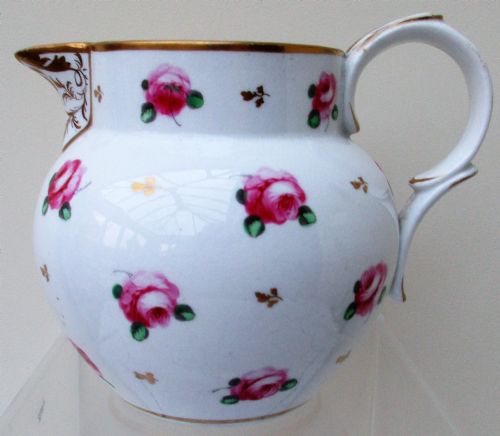
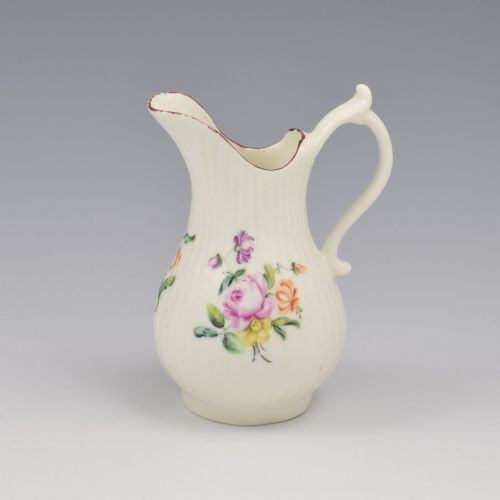
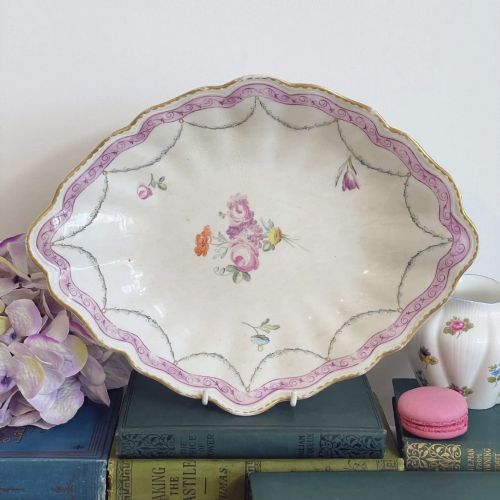
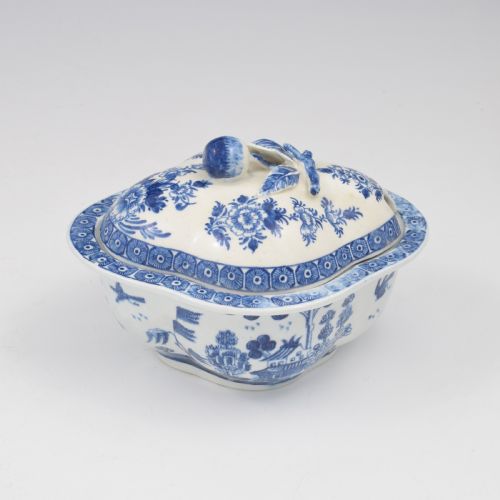
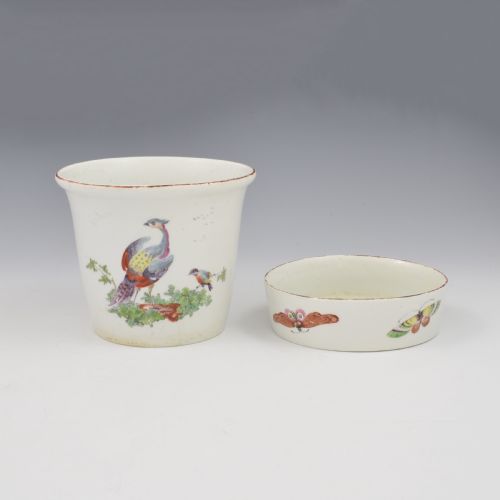
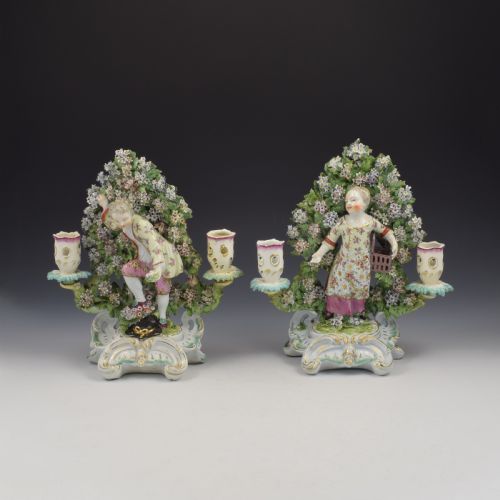
When you search for 18th century derby ceramic, you encounter a distinct group of English porcelain objects spanning utility and display. The selection on this page centres on decorative figurines, pastoral figures with bocage, and practical vessels such as cream jugs, tureens, and serving dishes.
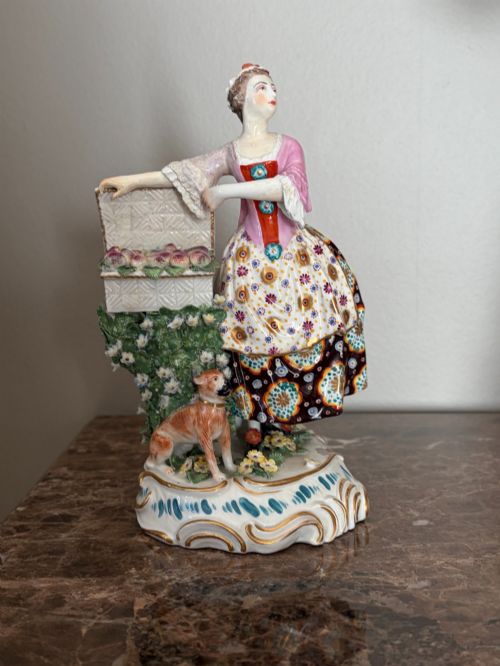
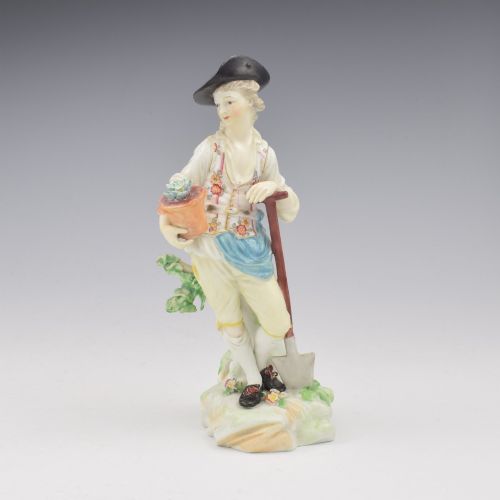
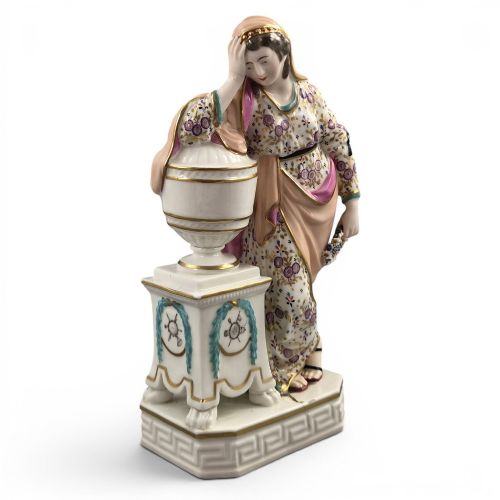
Figurines form a large proportion of these listings, depicting gardeners, musicians, and classical subjects like Andromache and Neptune. Alongside these sculptural pieces sit tablewares painted with polychrome flowers or decorated in blue and white, reflecting the domestic habits of the Georgian period.
Materials and Working Methods
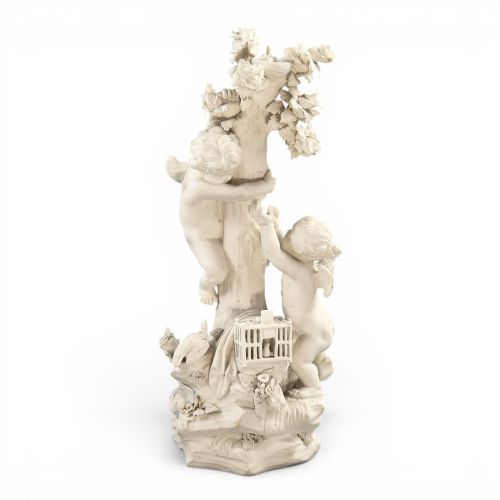
Makers utilised soft-paste porcelain and unglazed biscuit porcelain to shape these figures and vessels. Soft-paste allowed for smooth glaze application and bright enamel painting, while biscuit porcelain provided a matte, marble-like finish suited to classical groups.
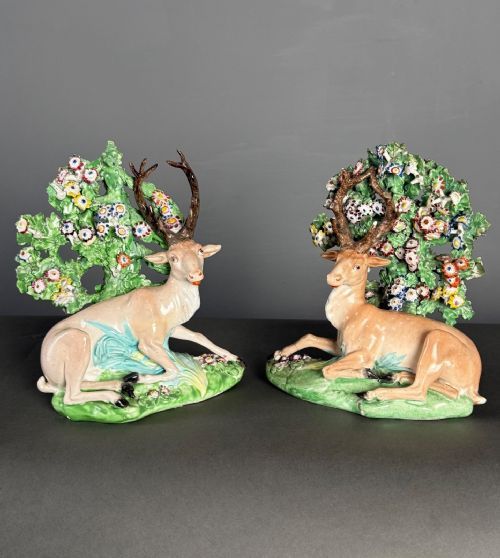
Finishing touches involved handpainted polychrome enamels, gilding, and gold leaf applied over the glaze. Figures often incorporated bocage work, where applied foliage surrounds the central subject.
18th Century Derby Ceramic Retail Price Guide 2026
Typical asking prices for 18th century derby ceramic among the pieces listed under this phrase on Sellingantiques today, from the lower quarter to the upper quarter. They describe what is for sale here now, not the wider market.
Listings feature items from the Georgian period, including 1750, 1800, and the 19th century, using soft-paste porcelain, enamel, and gold leaf.
Distinctions in Quality
Paint application also divides the standard of items. Precision in handpainted polychrome flowers and controlled gilding demonstrate greater skill in the kiln room.
Duesbury and Kean·Zachariah Boreman
The 18th Century Derby Ceramic Glossary
- Bocage
- Applied ceramic foliage and branches framing a figure. This background decoration often appears behind pastoral characters.
- Biscuit Porcelain
- Unglazed ceramic fired to a matte, porous finish. It resembles marble and was frequently used for neoclassical figures.
- Soft-paste Porcelain
- An artificial porcelain composition made from glass frit and white clay. It matures at lower temperatures than hard-paste and absorbs enamel colours smoothly.
- Patch Mark
- A small unglazed scar on the underside of a figure caused by supports in the kiln. These marks help identify early manufacturing periods.
- Enamel
- Opaque glass fused to the porcelain surface during firing. Artisans used these colours for painting clothes, flowers, and patterns.
18th Century Derby Ceramic: Frequently Asked Questions
How were these figures displayed?
Georgian households placed these porcelain figures on mantelpieces, side tables, and decorative brackets around the room. They served as conversation pieces during social gatherings.
Larger groups and pairs, such as musicians or seasonal figures, anchored the display on furniture surfaces.
What is biscuit porcelain?
Biscuit porcelain is fired without a glossy glaze, leaving a matte, white surface that resembles carved marble. It became popular for classical and mythological groups.
This finish allowed modellers to show intricate details in drapery and facial expressions without glaze softening the edges.
What does bocage mean?
Bocage refers to the applied ceramic leaves and branches that form a leafy background behind a figure. It creates a garden setting for pastoral subjects.
This delicate foliage required careful support during the kiln firing process.