


18th Century Chest of Drawers
An 18th century chest of drawers anchors a room with deep timber and quiet proportion, offering generous storage that rewards daily use.

18th Century Chest of Drawers
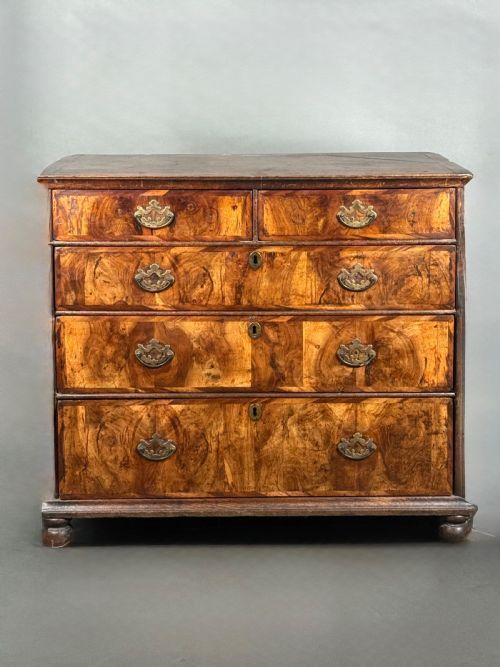
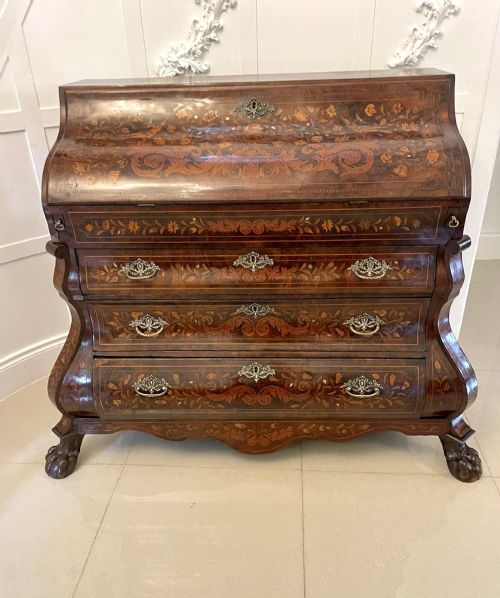
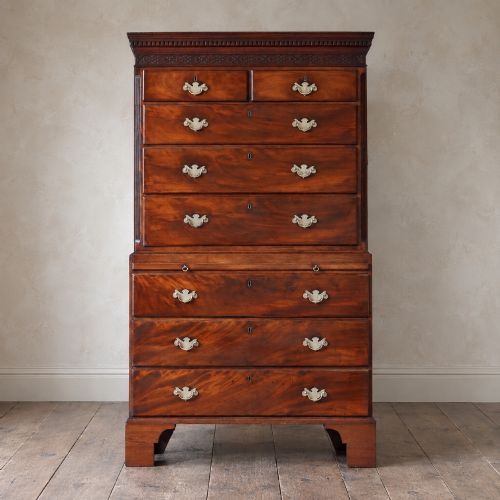
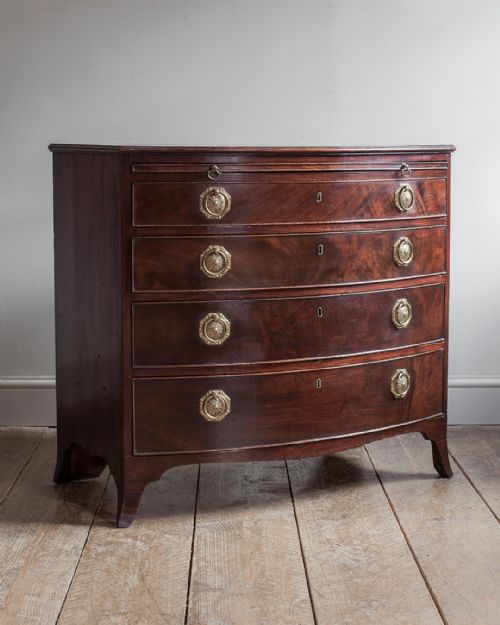
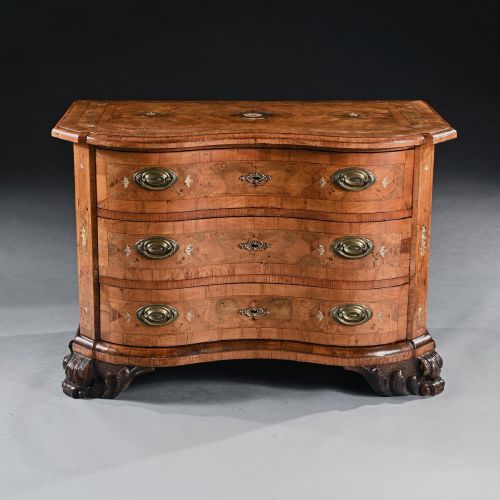
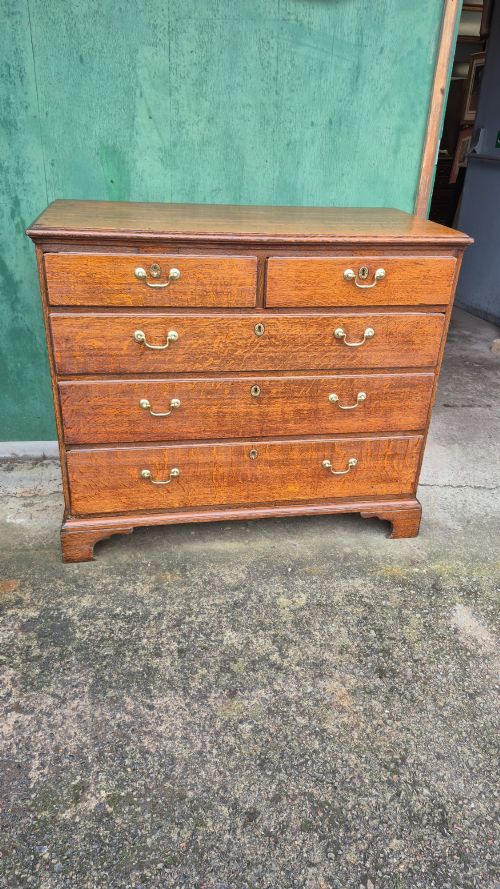
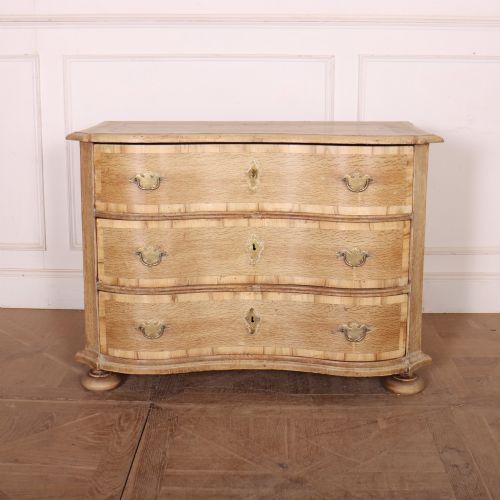
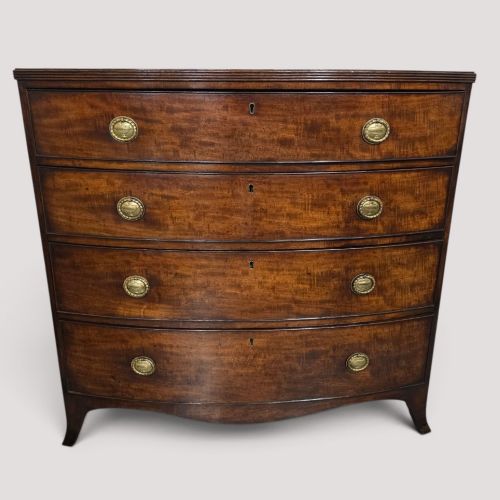
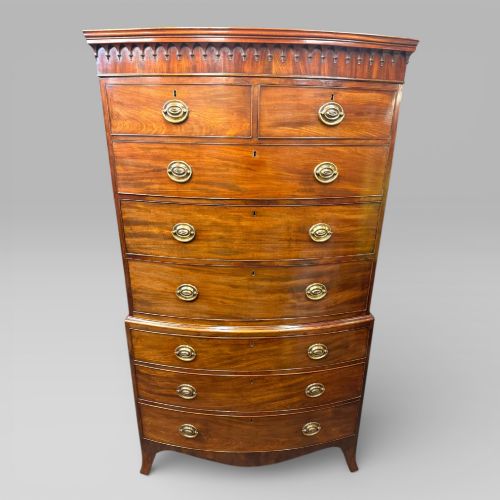
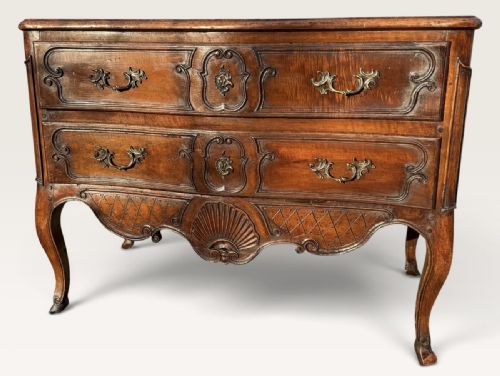
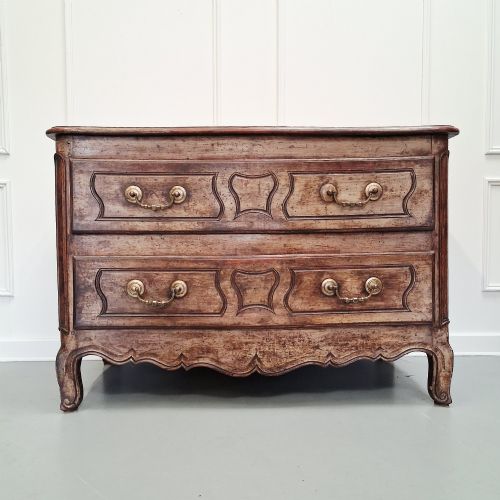
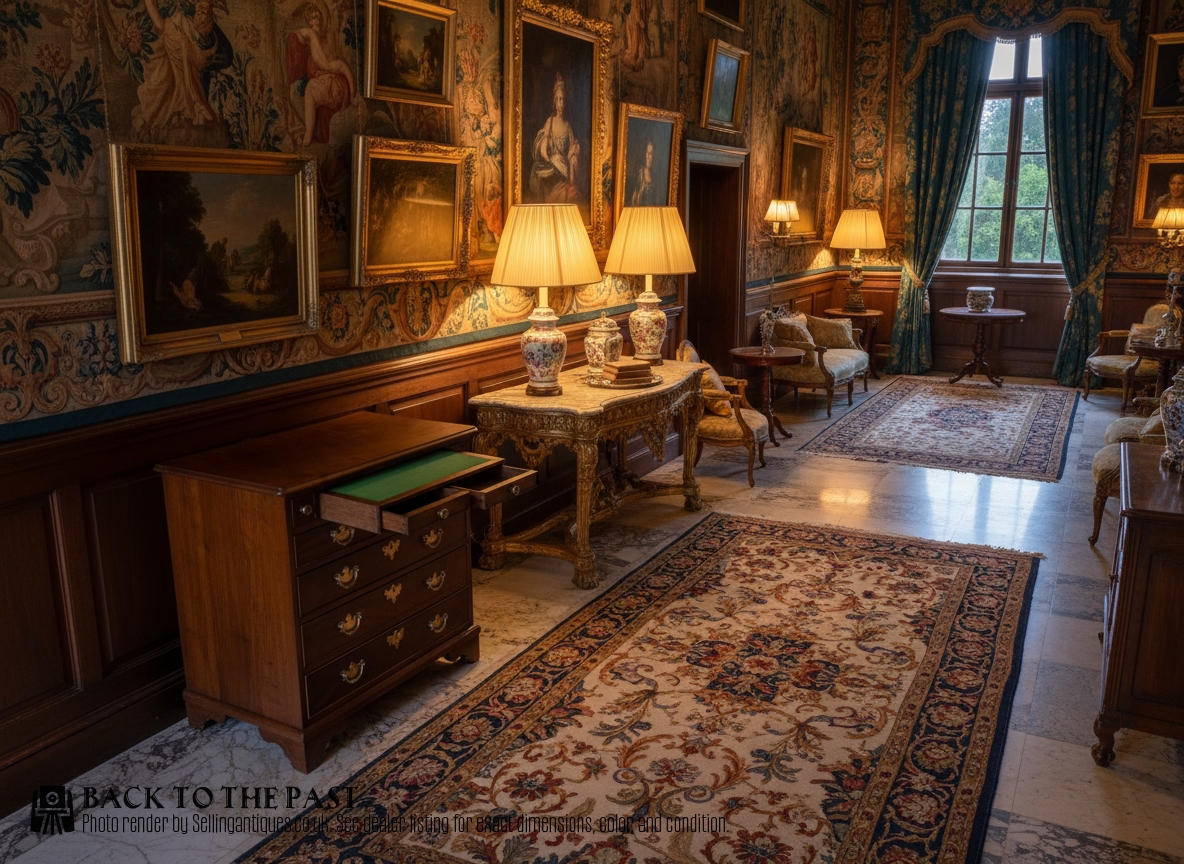
An 18th century chest of drawers encompasses practical storage solutions developed across the Georgian and 18th century periods. Pieces appear in forms ranging from standard chests and bow fronts to tallboys, bachelors chests with writing drawers, and commodes.
The versions most commonly met span walnut, oak, and mahogany constructions. Regional variations include English, French, and Italian origins, alongside specialised formats like the chest on stand.
Materials and Construction
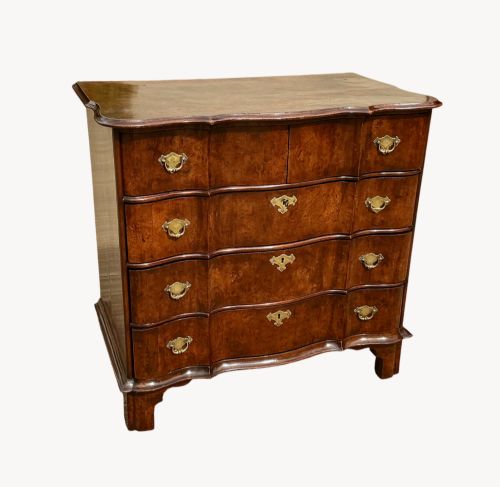
Cabinet makers utilised dense hardwoods such as mahogany, oak, and walnut, frequently selecting burr walnut or burr maple for figured drawer fronts. Secondary woods provided structural stability within drawer linings and carcass backs.
Hardware typically involved cast brass drop handles and escutcheons, while high-status examples incorporated marble tops and gilt bronze mounts. Timber surfaces were finished with traditional polish to highlight natural grain patterns.
18th Century Chest of Drawers Retail Price Guide 2026
Typical asking prices for 18th century chest of drawers among the pieces listed under this phrase on Sellingantiques today, from the lower quarter to the upper quarter. They describe what is for sale here now, not the wider market.
Certain early drawers include hidden compartments behind secret panels for safely storing family valuables.
Distinctions in Execution
Quality rests upon the selection of timber veneers and the precision of cabinet joinery. Pieces featuring figured walnut or serpentine drawer fronts demonstrate greater ambition from the maker.
The integrity of original brass hardware, uncompromised timber surfaces, and refined proportions elevate an example above standard utility pieces.
Thomas Hache of Grenoble
The 18th Century Chest of Drawers Glossary
- Commode
- A decorative chest of drawers, often associated with French or continental design of the period. These pieces frequently feature marble tops and shaped fronts.
- Tallboy
- A tall chest-on-chest of drawers providing vertical storage capacity. The upper section sits directly upon a matching lower chest.
- Bachelors Chest
- A small chest of drawers incorporating a pull-out writing slide. This dual-purpose form served gentlemen requiring compact desk space.
- Serpentine
- A curved front configuration shaped in a gentle wave. This contour requires advanced carpentry skills to execute successfully across multiple drawers.
18th Century Chest of Drawers: Frequently Asked Questions
How do I care for a walnut chest?
Keep the timber away from direct heat sources and sudden humidity shifts to prevent veneer lifting. Regular dusting with a dry cloth preserves the polished surface.
Apply traditional wax sparingly when the wood appears dry, buffing gently to maintain a soft sheen without building up heavy residues.
Where does a bachelors chest work best?
Place the chest in a bedroom or study where the pull-out writing slide can be utilised. Its compact footprint suits smaller walls and corners.
Ensure adequate clearance around the piece so the writing drawer functions without obstruction from nearby furniture.
What defines a serpentine front?
A serpentine front curves outward in the centre and recesses toward the sides in a continuous wave. This profile demands exceptional woodworking precision.
Drawer linings and frames must follow the identical contour to ensure smooth operation within the carcass.
How do oak and mahogany differ?
Oak offers a heavy, visible grain structure associated with earlier pieces and robust domestic utility. It provides structural strength and a warm honey tone.
Mahogany delivers a tighter grain and richer reddish-brown hue that became dominant as trade routes expanded during the Georgian period.