

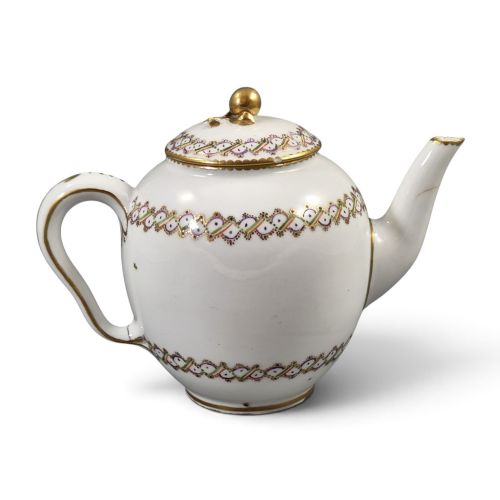


18th Century Ceramic Teapot
An 18th century ceramic teapot brings the height of Georgian and Qing dynasty tea ceremony tradition straight to the modern table.
18th Century Ceramic Teapot
An 18th century ceramic teapot encompasses vessels created across Europe and East Asia during the 1700s, spanning domestic earthenware and delicate porcelain. The pieces on this page lean heavily into English factories like Worcester and Derby, alongside Chinese export wares destined for European markets.
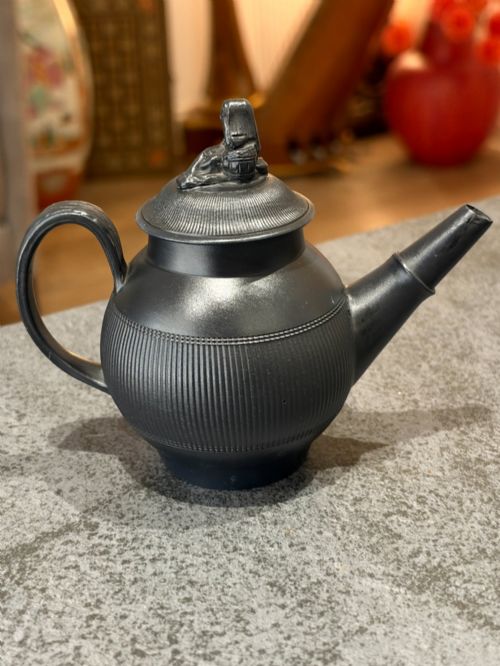
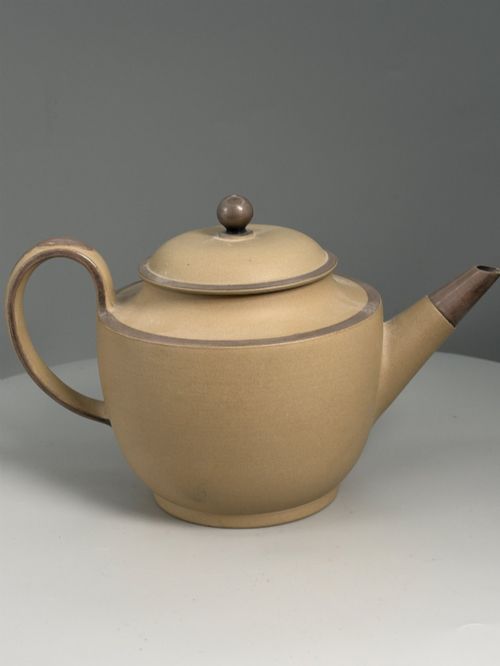
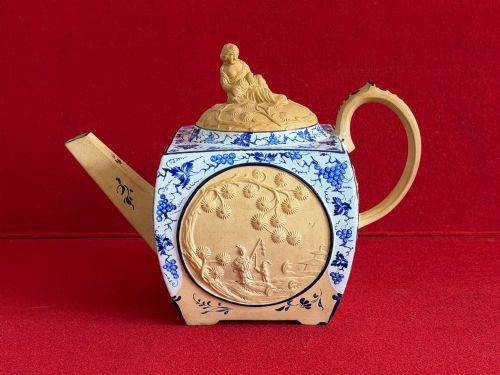
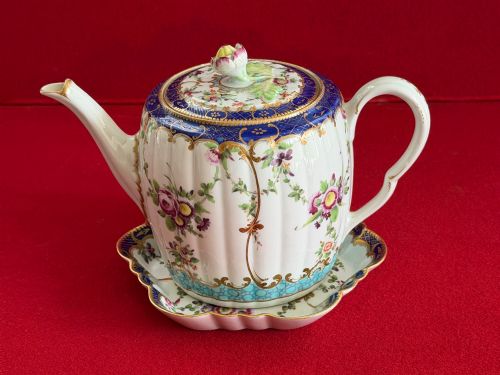
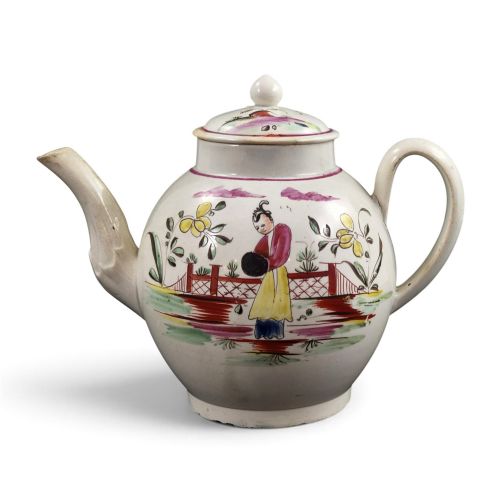
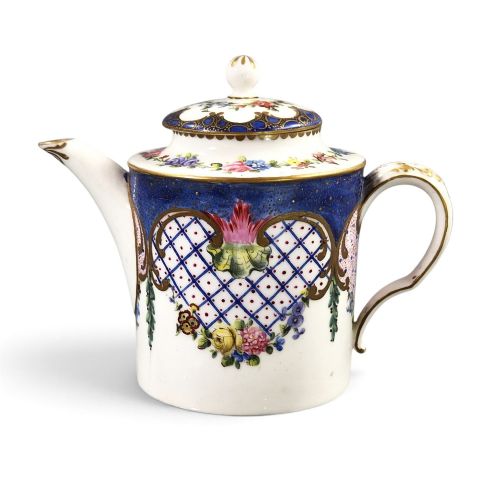
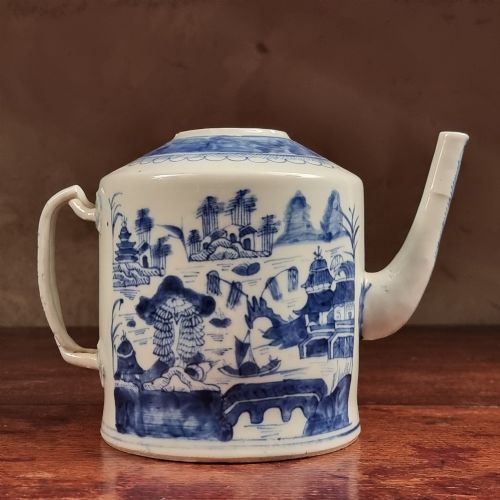
Forms range from barrel-shaped bodies and straight-sided litron silhouettes to octagonal vessels and creamware jugs. These pots served the burgeoning tea-drinking habits of the Georgian era, whether finished with blue and white cobalt underglaze or rich enamel polychrome palettes.
Origins stretch from Staffordshire potteries and Liverpool workshops to Jingdezhen kilns and Arita furnaces. Buyers encounter everything from Dr Wall period Worcester productions to early Qianlong famille rose designs.
How they were made
Makers utilised soft-paste porcelain, creamware, earthenware, and black basalt, shaping bodies by hand or throwing them on wheels before applying lead glazes. Cobalt underglaze was painted directly onto the clay body prior to the primary firing.
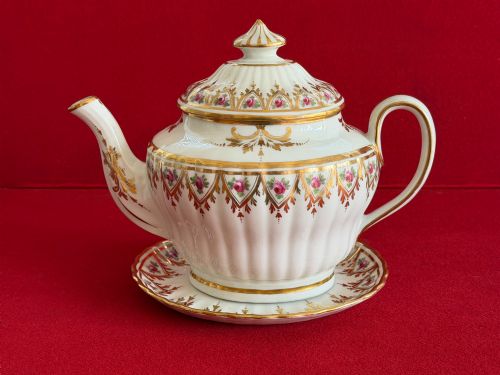
Enamel colours and gold leaf gilding required secondary low-temperature kilns to fuse the decoration onto the already glazed surface. Intricate scenes often drew inspiration from Chinese Chinoiserie motifs and Louis XV or Louis XVI decorative styles.
18th Century Ceramic Teapot Retail Price Guide 2026
Typical asking prices for 18th century ceramic teapot among the pieces listed under this phrase on Sellingantiques today, from the lower quarter to the upper quarter. They describe what is for sale here now, not the wider market.
Listings feature periods spanning from the 17th century through the Georgian era, utilising materials like porcelain, earthenware, and black basalt.
What varies in quality
The sophistication of the hand-painted enamel work dictates much of the distinction between standard and superior pieces. Crisp cobalt underglaze lines and precise polychrome flower heads demonstrate superior painterly control.
Survival of delicate details such as original covers, flower head knops, and matching stands elevates the completeness of a teapot. Body clarity, whether translucent soft-paste porcelain or smooth creamware, also reflects the technical mastery of the originating factory.
Derby Porcelain·Royal Sèvres Porcelain·Thomas Wolfe Staffordshire·Philip Christian Liverpool·Enoch Wood and Sons·Wedgwood
The 18th Century Ceramic Teapot Glossary
- Soft-paste porcelain
- A ceramic composition made from white-firing clay mixed with glass frit and other minerals, fired at lower temperatures than hard-paste porcelain. It results in a warm body with a distinctive creaminess under the glaze.
- Creamware
- A refined earthenware developed in Staffordshire featuring a pale yellowish cream colour under a lead glaze. It offered a lighter and more durable alternative to traditional heavy pottery.
- Cobalt underglaze
- A blue pigment applied to raw or biscuit ceramic bodies before glazing and firing. It withstands high kiln temperatures without fading.
- Basalt
- A fine-grained, dense black stoneware developed by Josiah Wedgwood that mimics the appearance of natural antique basalt stone. It relies on body colour rather than surface glaze for its dark tone.
- Chinoiserie
- A European decorative style interpreting East Asian artistic traditions. It appears frequently on ceramics through imaginative landscapes and figures.
18th Century Ceramic Teapot: Frequently Asked Questions
How do I date an 18th century teapot?
Dating relies on identifying factory marks, such as blue crescents for Worcester or pattern numbers associated with specific decades. Stylistic clues like Neoclassical shapes or Louis XVI motifs further narrow down the manufacturing window.
Material analysis also helps, as early soft-paste bodies and creamware formulations changed significantly between 1700 and 1800. Comparing the handle, spout, and knop styles to documented pieces provides a reliable timeline.
Can I still use these teapots for tea?
Using these vessels for serving is generally discouraged due to thermal shock and the fragility of centuries-old glazes. Hairline cracks or historical repairs can easily worsen with exposure to boiling water.
Instead, these teapots are best appreciated as display objects that highlight historical ceramic artistry. Gentle dusting is all the maintenance required to keep them stable.
What is the difference between Chinese export and English porcelain?
Chinese export teapots were produced in kilns in the East specifically for Western trade markets, often featuring famille rose enamels or blue and white designs. English porcelain represents domestic manufacturing attempts to replicate and adapt those Asian aesthetics.
European factories developed their own paste formulas, such as soft-paste porcelain at Worcester and Liverpool. This resulted in different weight distributions and translucent qualities under light.
Why do some teapots include stands?
Teapot stands protected polished wooden tabletops from the heat transferred through the ceramic base of the pot. They were manufactured using matching clay bodies and decorative schemes to form a cohesive set.
Finding a teapot with its original accompanying stand remains uncommon because the small plates were easily separated or broken over time.