



18th Century Carver Seating
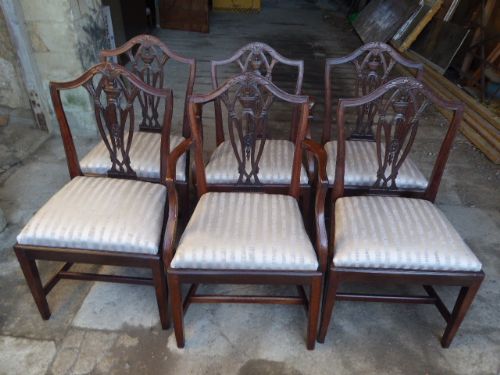
These pieces of 18th century carver seating bring formal dining tables and quiet corners together through centuries of cabinet-making.
Materials and construction methods
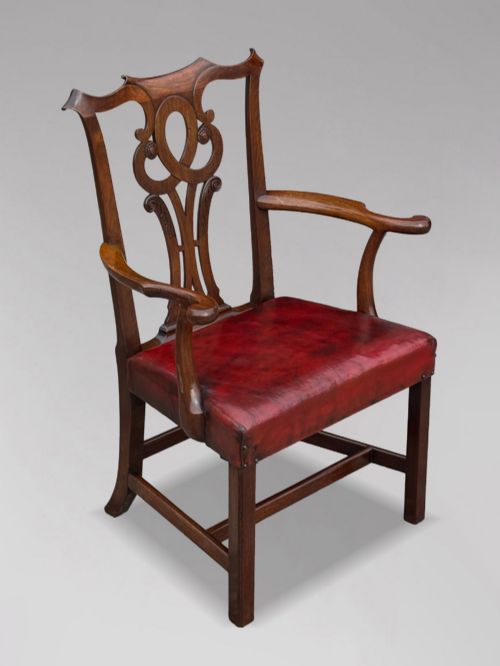
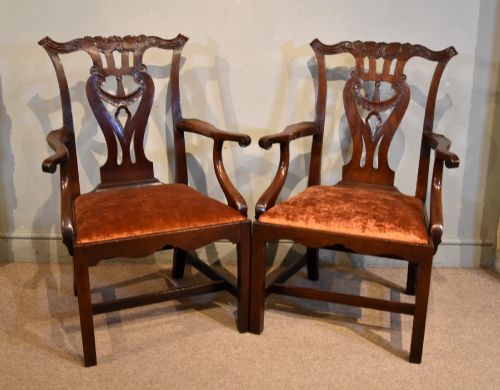
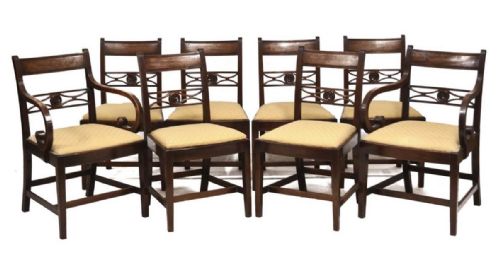
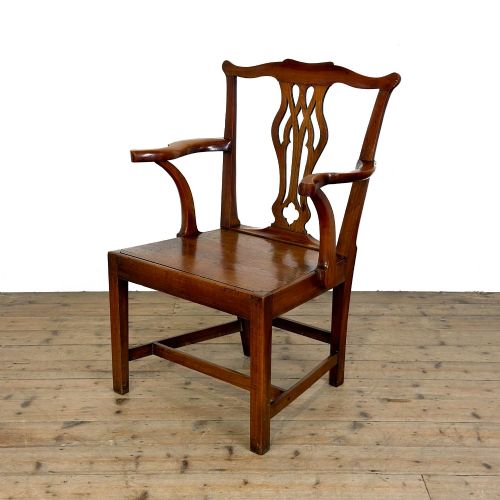
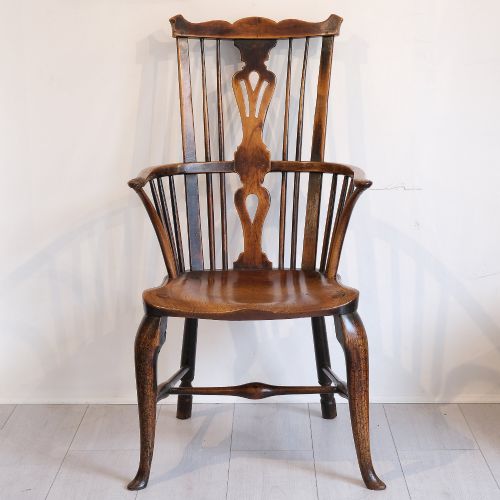
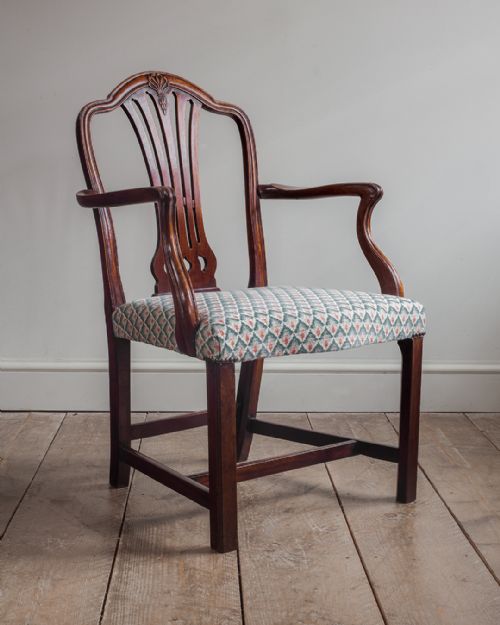
Timbers such as mahogany, walnut, elm, and fruitwood form the structural foundation of these chairs, shaped using traditional joinery techniques appropriate to both urban workshops and rural bodging shops. Turning, carving, and steam-bending allow makers to create curved arm supports, splats, and spindles.
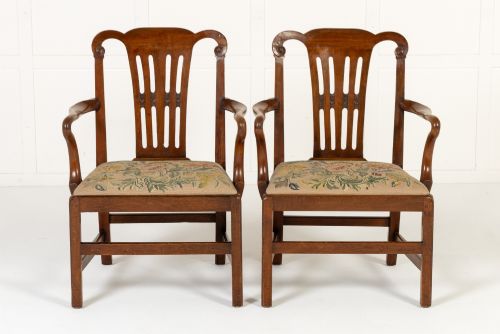
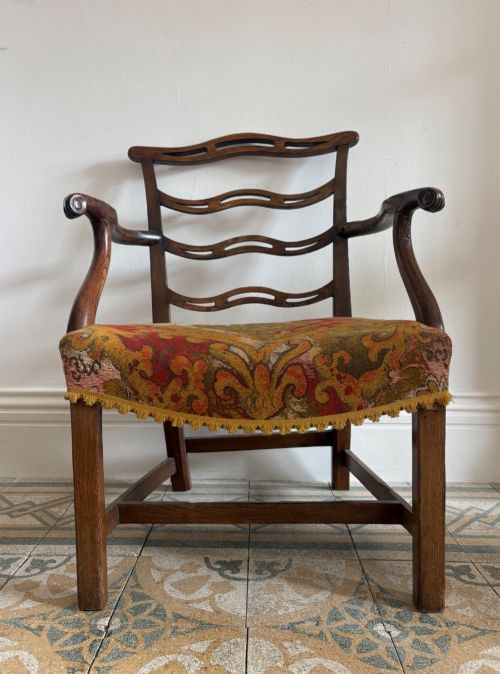
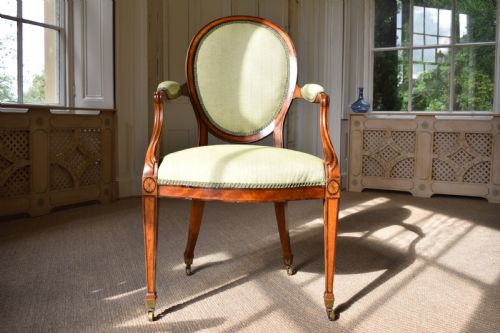
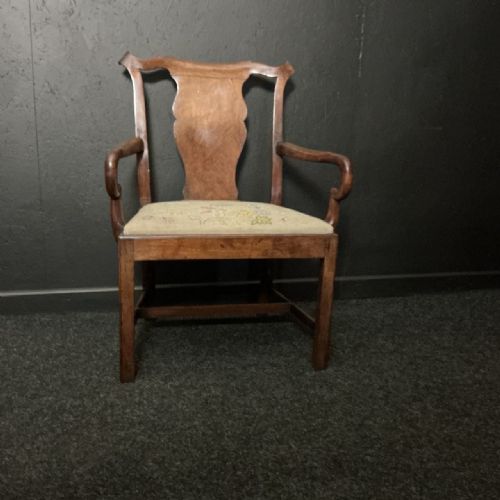
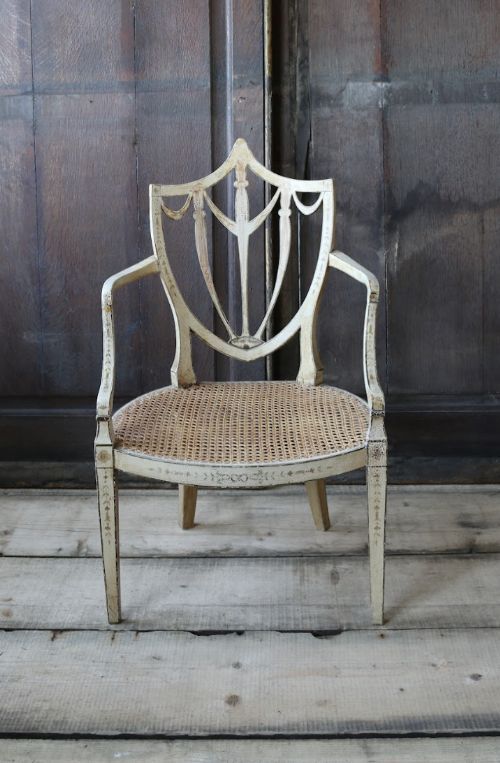
Upholstery materials range from hand-dyed leather and silk velvet to needlework tapestry and plain fabric, secured over webbing or squab seat pads. Painted finishes also appear on vernacular and provincial pieces, utilising lead-based paints on softwoods and hardwoods alike.
Factors of quality and execution
The distinction between ordinary and exceptional carver seating rests on the crispness of the hand-carving and the proportion of the arms relative to the rake of the back legs. Timber selection dictates the structural integrity, with dense figuring in mahogany and unblemished grain in walnut marking higher workshop standards.
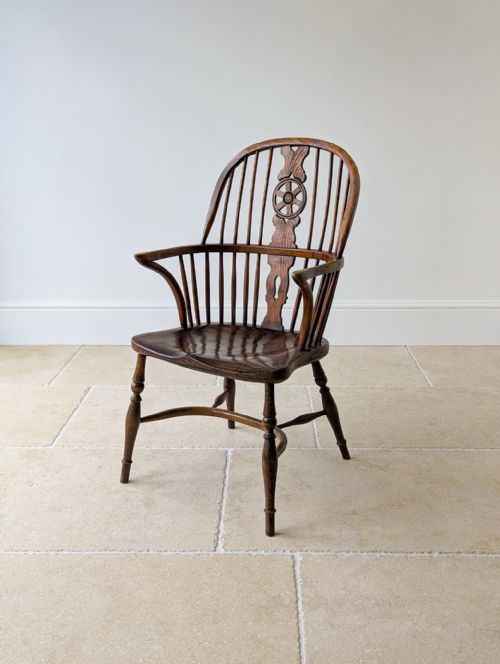
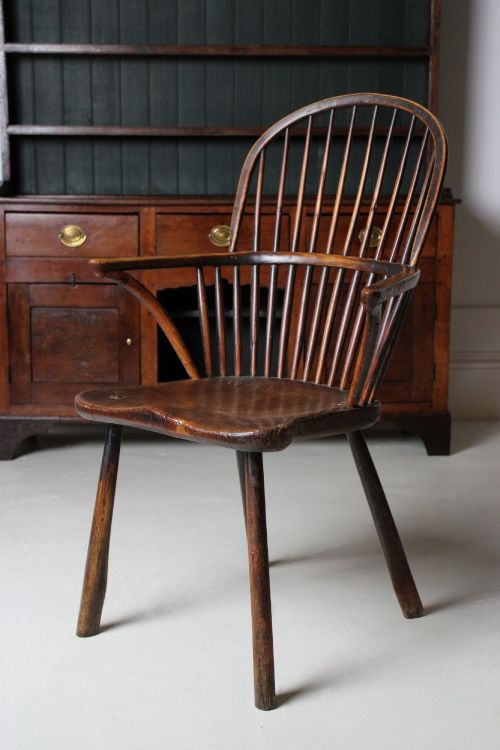
Vernacular pieces are judged by the integrity of their spindle turning and the symmetry of their comb backs or bow arms. Original surface patination, such as unstripped polish or untouched early paint layers, separates untouched survivals from heavily restored examples.
18th Century Carver Seating Retail Price Guide 2026
Typical asking prices for 18th century carver seating among the pieces listed under this phrase on Sellingantiques today, from the lower quarter to the upper quarter. They describe what is for sale here now, not the wider market.
The 18th Century Carver Seating Glossary
- Carver chair
- An armchair, typically designed as part of a dining set to sit at the head of the table.
- Windsor chair
- A wooden chair constructed with a solid saddle-shaped seat into which the legs and back spindles are wedged directly.
- Splad
- The central vertical slat within an open chair back, frequently shaped and pierced in Chippendale designs.
- Comb back
- A Windsor chair variation where the top rail resembles the teeth of a comb, holding vertical spindles rising from a low back rail.
- Ladder-back
- A chair back constructed with horizontal arched slats stacked between two upright rear posts.
18th Century Carver Seating: Frequently Asked Questions
What is 18th century carver seating?
These pieces are sturdy armchairs designed historically for the heads of dining tables or for use in private studies and parlours. They provide wider seats and supportive armrests compared to standard side chairs.
Craftsmen built them using native and imported hardwoods like mahogany, walnut, elm, and fruitwood. The forms encompass formal urban styles alongside regional country variations.
Were these chairs used only for dining?
While many served as master chairs at dining tables, numerous examples functioned as elbow chairs in morning rooms, libraries, and bedrooms. Their sturdy construction suited daily seating in various domestic settings.
Lower-slung reading chairs and wider grandfather armchairs also appear within this category to serve specific household tasks.
How should I care for antique wood and upholstery?
Maintain timber surfaces by applying appropriate wax polish sparingly to preserve the natural patination and protect the grain from drying out. Keep chairs away from direct heat sources and rapid temperature fluctuations to prevent wood splitting.
Upholstered drop-in seats or fixed fabric pads benefit from gentle vacuuming and professional textile cleaning when required.