
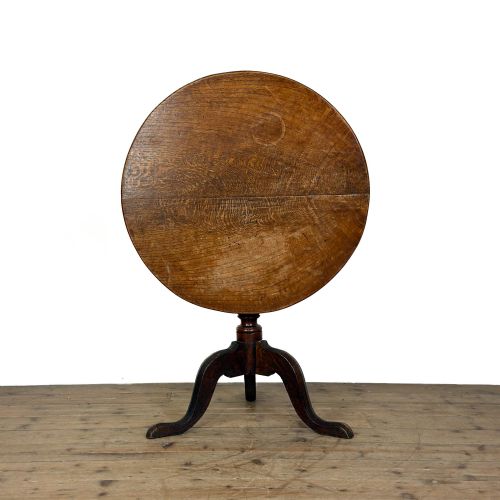
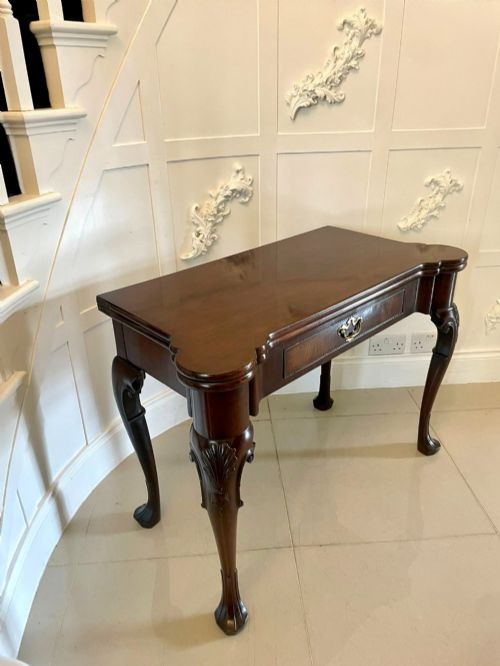
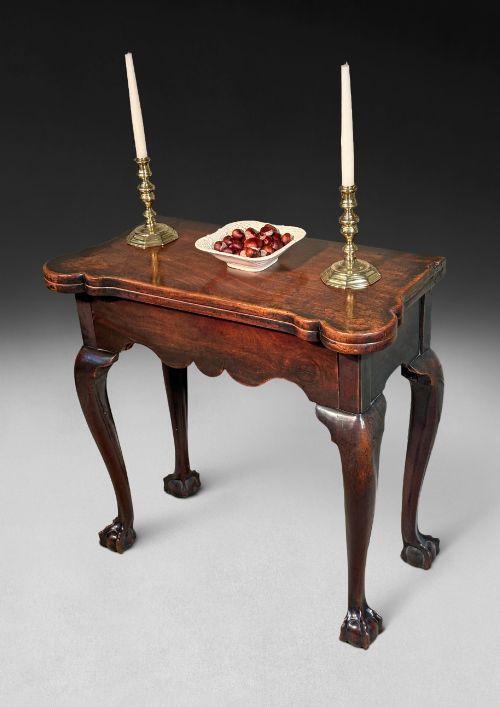
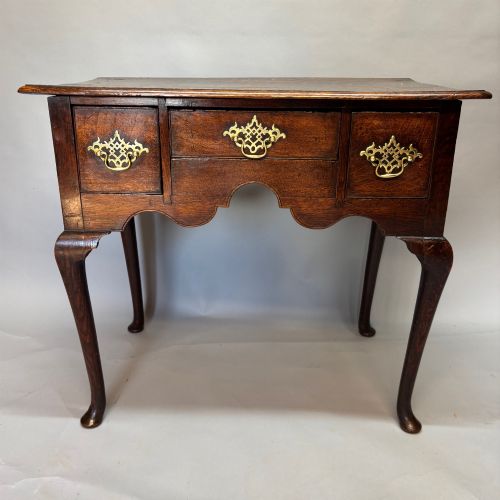
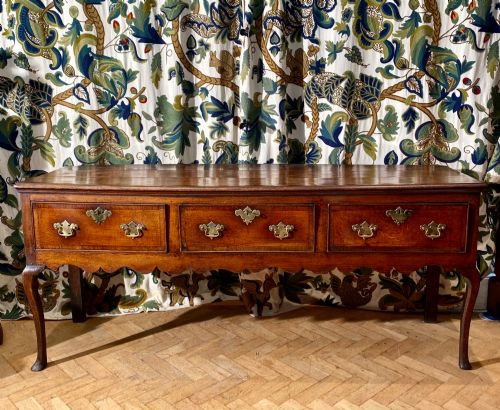
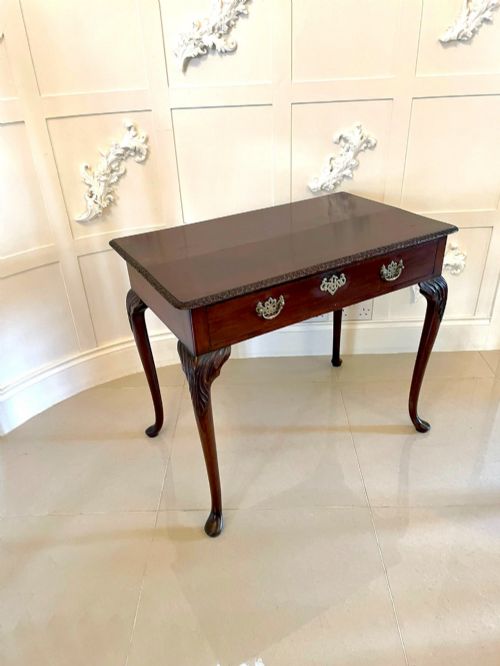
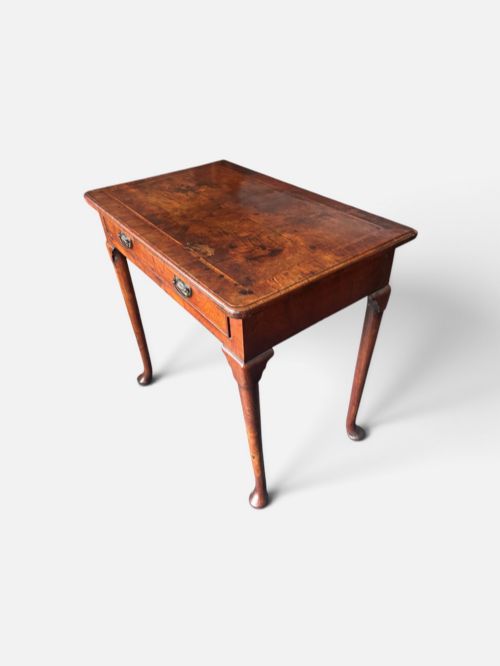
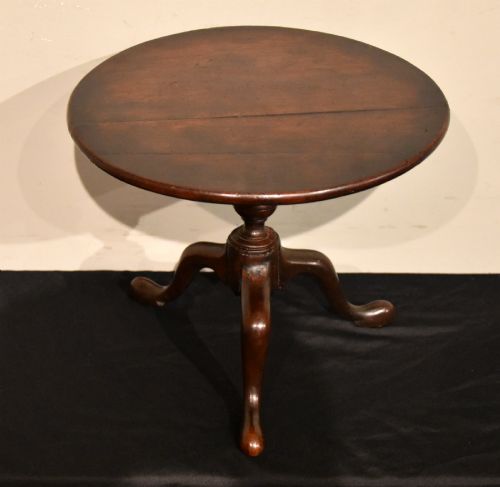
18th Century Cabriole Leg Table
An 18th century cabriole leg table brings fluid line and organic grace to a room, offering sturdy utility paired with refined period character.
18th Century Cabriole Leg Table
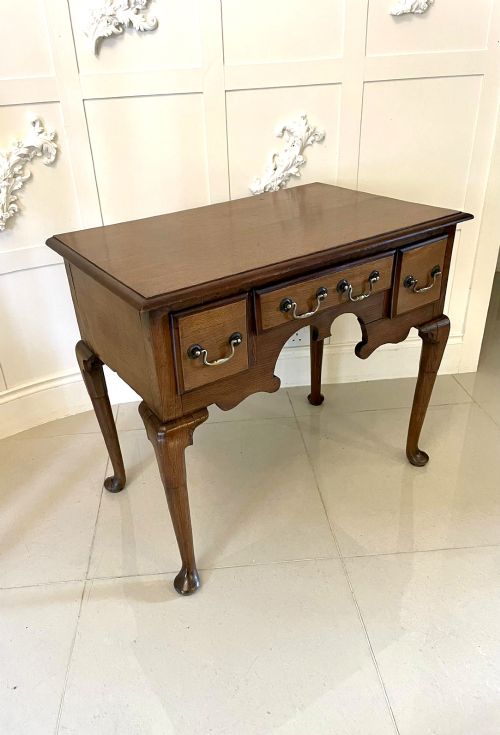
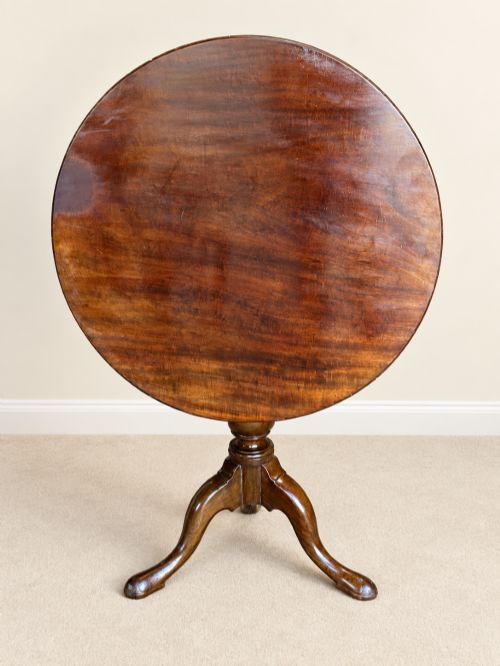
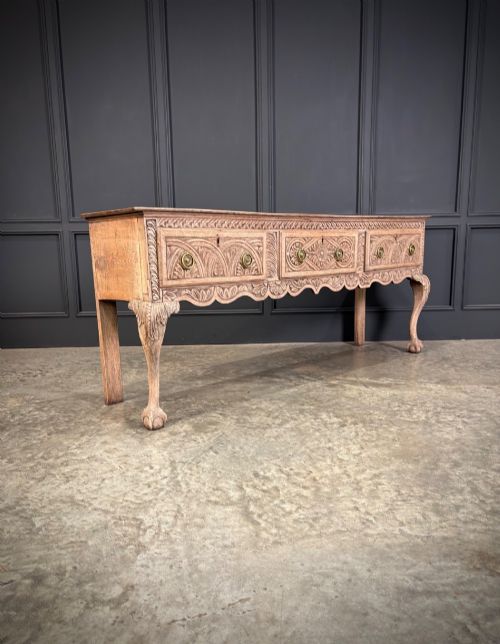
An 18th century cabriole leg table encompasses diverse practical forms from the Georgian era, including lowboys, tripod occasional pieces, wine tables, card tables, and dresser bases. These domestic items served specific functional roles in the home, from serving refreshment to providing a stable writing or dressing surface.
The material palette is predominantly oak, mahogany, walnut, elm, and yew, reflecting the timber traditions of English and regional cabinet makers. Walnut and mahogany pieces often exhibit fine figuring or crossbanding, whereas country examples rely on the honest grain of native oak and elm.
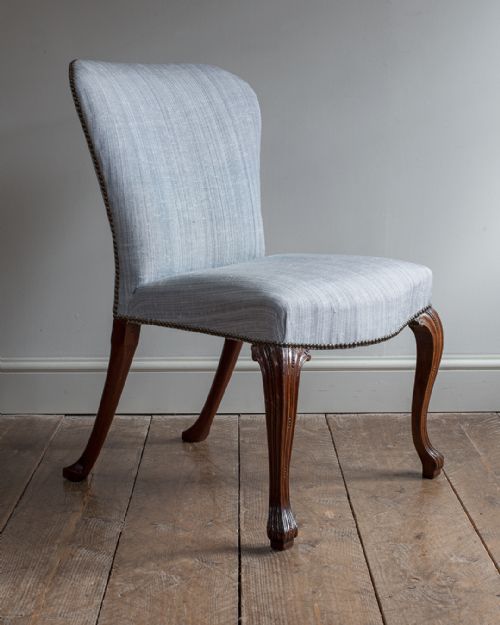
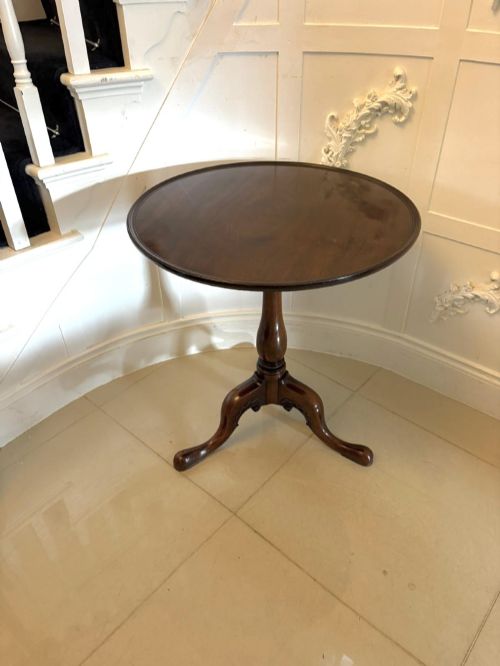
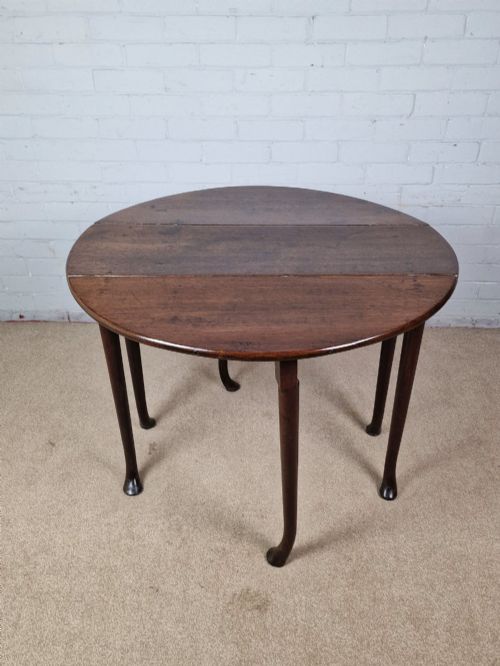
While many examples date directly to the eighteenth century under Georgian, George II, George III, and Queen Anne influences, later revival pieces also appear. The distinctive curved leg unites these disparate forms, swelling outward at the knee and tapering gracefully to a pad, hoof, or claw foot.
Materials and Construction
Cabinet makers utilised dense hardwoods like mahogany, oak, and walnut, selecting solid planks for tops and structural frames. Timber was chosen for its natural figure, such as flame mahogany or burr walnut veneers applied to secondary woods.
Legs were shaped from solid timber blanks, carving the characteristic double curvature directly into the wood before finishing with pad or claw feet. Surfaces were polished with wax or shellac to seal the grain and highlight the natural colour of the wood.
Evaluating the Pieces
The visual success of an 18th century cabriole leg table depends on the balance and proportion of the curved leg relative to the top. A well-executed knee sweep and a clean, slender taper demonstrate the maker's eye for line.
Timber selection distinguishes standard utilitarian items from finer examples intended for formal parlours. Figured veneers, herringbone stringing, and uniform grain patterns elevate the visual presence of card tables and lowboys.
Construction integrity and timber selection dictate long-term stability, particularly in tilting mechanisms and folding card table hinges. Original brass hardware, uncompromised structural joints, and untouched surface patination indicate careful preservation.
The 18th Century Cabriole Leg Table Glossary
- Cabriole leg
- A furniture leg featuring a double curve, bulging outward at the knee and tapering inward to the foot. This design mimics the natural leap of an animal and became dominant during the early eighteenth century.
- Lowboy
- A small table with drawers, typically used as a dressing table or side table during the Georgian period. They usually stand on four cabriole legs and feature shaped aprons.
- Tripod table
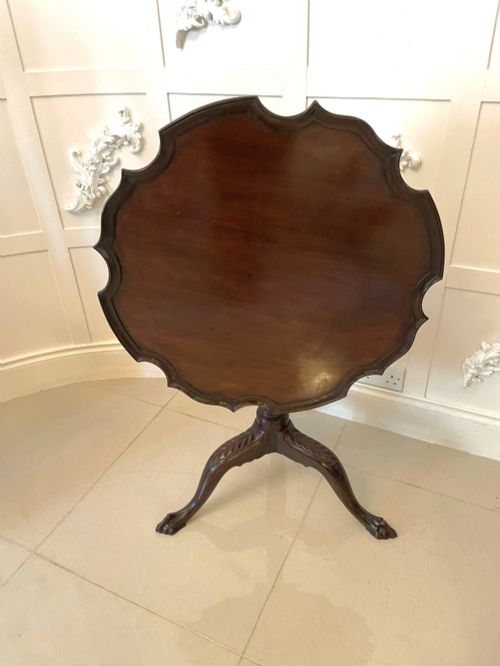
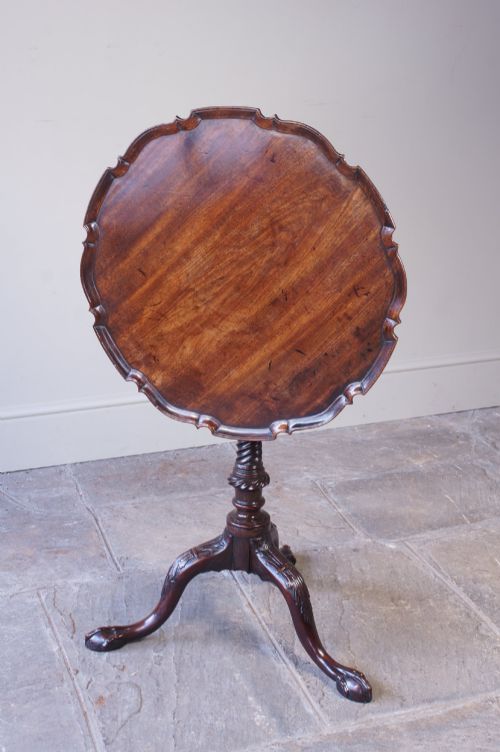
- A small freestanding table supported by a central pillar resting on three legs. Many examples feature tilting tops for convenient storage against a wall.
- Pie crust edge
- A raised, carved border on a round tabletop resembling pastry crimping. This decorative detail is frequently found on mahogany tripod and occasional tables.
- Concertina action
- A complex folding mechanism used in card tables that expands when the top is opened to support the leaves. It provides a stable framework without relying on a swinging rear leg.
18th Century Cabriole Leg Table: Frequently Asked Questions
What is a lowboy used for?
A lowboy served primarily as a small dressing table or occasional side table in eighteenth-century bedchambers and parlours. Its fitted drawers provided convenient storage for personal items while the compact surface held candles or basins.
Today, these versatile pieces function effectively as hallway consoles, desk companions, or accent tables in living spaces. Their modest proportions allow them to fit easily into tight architectural corners.
Are these tables made of solid mahogany?
Many tables utilise solid timbers such as oak, elm, or mahogany, particularly on structural frames and turned elements. Finer formal pieces from the mid-eighteenth century often incorporate fine veneers over secondary wood foundations.
Examining the grain pattern and drawer linings helps clarify the construction method. Regional country furniture tends to use native woods exclusively, whereas urban cabinet makers employed imported Cuban mahogany and walnut.
How do I care for an antique wood table?
Protect antique wood surfaces by placing tables away from direct heat sources and strong sunlight, which can dry out the timber. Regular dusting with a soft, dry cloth preserves the finish without building up unwanted residues.
Applying a traditional beeswax polish occasionally helps nourish the wood and maintain its natural lustre. Avoid placing damp items directly on the bare surface to prevent water marking.