



18th Century Botanical Art
18th century botanical art encompasses delicate works on paper, canvas, and pith paper that capture natural specimens with scientific precision.
18th Century Botanical Art
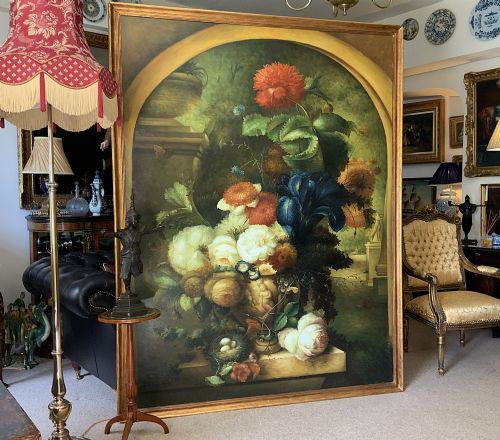
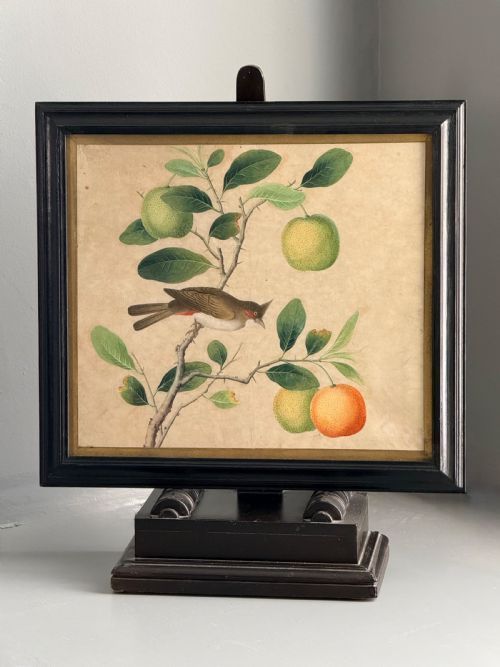
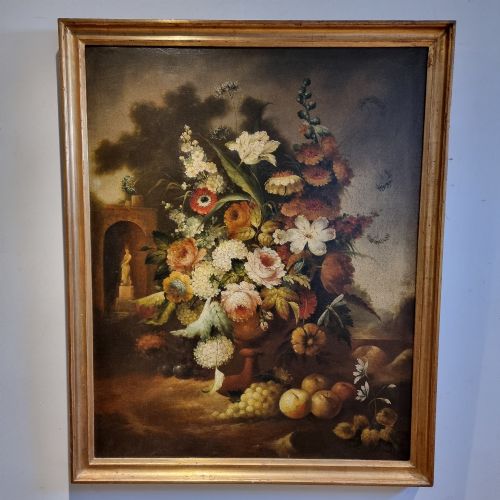
When you examine 18th century botanical art, you encounter hand-coloured engravings, gouache paintings, and oil studies representing flowers, fruit, and natural specimens. These pieces bridge the gap between scientific observation and decorative representation.
The selection ranges from Dutch School flower still lifes on oak panels to detailed engravings by noted illustrators and delicate compositions on pith paper. Many pieces retain their original framing or mounting, which aids in dating the work accurately.
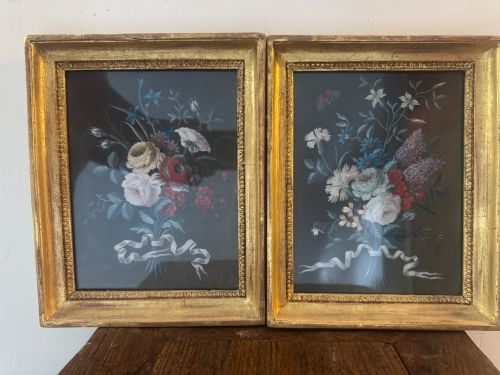
Buyers frequently find pairs of floral and fruit compositions alongside individual plates from famous illustrated folios. The variety extends across English, Dutch, and French traditions from the period.
Materials and techniques
Makers utilised paper, canvas, and oak panels as supports for oil paint, gouache, and ink, often applying hand-colouring to engraved plates. The application of pigment requires a steady hand, particularly on delicate surfaces like pith paper.
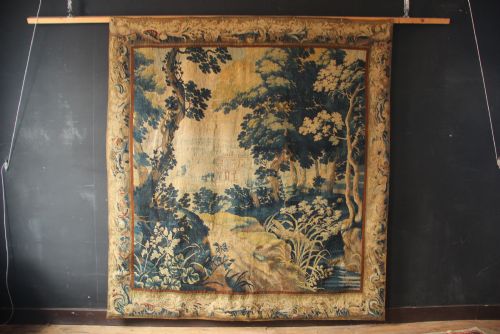
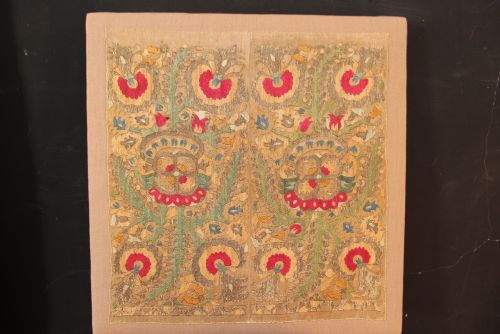
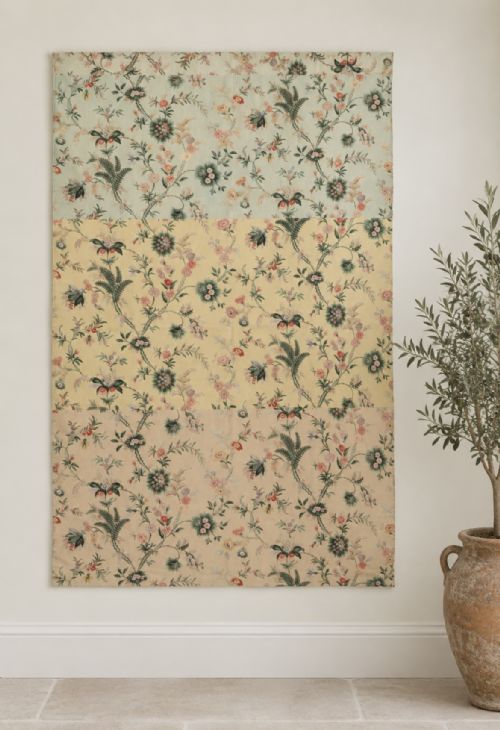
Engravings relied on copper plates printed with fine lines before individual washes of colour were added by hand. Textile pieces from the era employ wool, silk, and linen threads worked in needlework to depict floral motifs.
Listings incorporate works executed on paper, oak panel, canvas, pith paper, and linen across the Georgian period.
Factors that define quality
Quality rests upon the precision of the draughtsmanship and the vibrancy of the remaining pigment. Works attributed to named artists or derived from established plates command greater attention from collectors.
The condition of the paper or panel, alongside the crispness of the engraved lines and the subtlety of the hand-colouring, separates standard decorative plates from superior examples.
George Edwards·Pierre-Joseph Redouté·Georg Wolfgang Knorr·William Jones of Bath·George Dionysius Ehret
The 18th Century Botanical Art Glossary
- Gouache
- An opaque water-based pigment that dries to a matte finish and provides strong, solid colours on paper or pith.
- Engraving
- A printmaking technique where an image is incised into a metal plate, holding ink to transfer fine lines onto paper.
- Pith paper
- A delicate material formed from the pith of the Tetrapanax papyrifer plant, commonly used for water-based painting in the eighteenth and nineteenth centuries.
- Verdure tapestry
- A type of woven wall hanging featuring plant motifs, foliage, and landscapes, often produced in French and Flemish workshops.
- Needlework picture
- A textile artwork created by stitching wool, silk, or linen threads onto a ground fabric to form a pictorial scene.
18th Century Botanical Art: Frequently Asked Questions
How do I identify genuine 18th century pieces?
Examine the paper quality, ink consistency, and plate marks on printed works. Hand-colouring should show subtle variations characteristic of period application.
Check the reverse of panels or frames for signs of age, such as handmade nails, early fixings, or period inscriptions that corroborate the listed date.
Are these works suitable for direct sunlight?
Gouache, watercolours, and hand-coloured engravings are sensitive to ultraviolet light and fade over time. Display them away from direct sun to preserve the pigments.
Utilise conservation-grade glass with UV-filtering properties when framing works on paper to protect the delicate media from environmental degradation.
What is the difference between an engraving and an oil painting?
Engravings are printed multiples derived from an incised metal plate, typically featuring fine lines beneath hand-applied watercolour washes. They offer precise botanical detail suited for scientific study.
Oil paintings are unique compositions executed on canvas or wood panels with thick, blended pigments, providing richer textures and deeper tonal ranges.
How should I care for textile botanical art?
Textile panels and needlework require stable humidity and temperature conditions to prevent the degradation of wool, silk, and linen fibres. Keep them away from damp environments.
Mount textiles behind glass with a spacer to prevent the surface from touching the glazing, ensuring adequate airflow through the enclosed frame.