

Traditional Floral Oil Painting
These traditional floral oil painting works capture centuries of botanical study on canvas, offering buyers rich colour and historical depth for domestic walls.
Traditional Floral Oil Painting
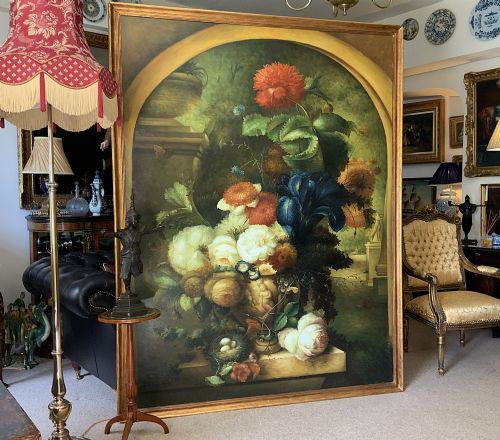
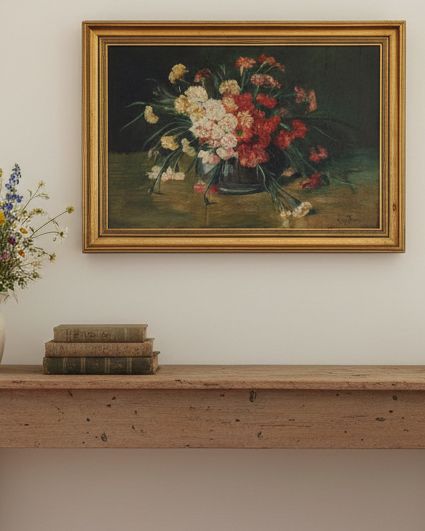
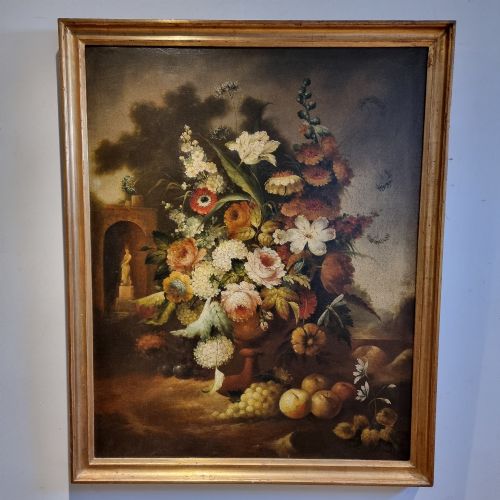
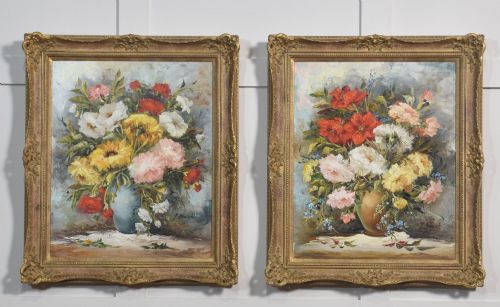
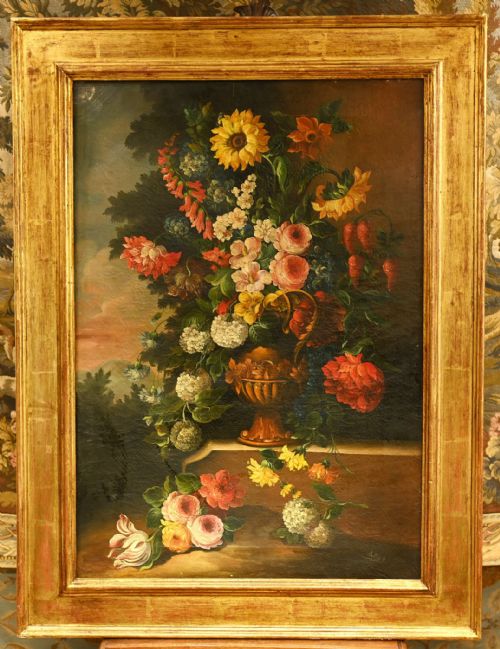
A traditional floral oil painting brings botanical forms and still life compositions into interior spaces, drawing on centuries of European artistry. Buyers seeking a traditional floral oil painting encounter canvases ranging from intimate studies to monumental Dutch style arrangements created across the nineteenth and twentieth centuries.
The selections span British Impressionism, Post-Impressionism, and Dutch Baroque Revival styles, reflecting diverse regional approaches to floral subjects. Pieces on this page originate from periods including the Victorian era, Edwardian years, and mid-twentieth century decades, often housed within period frames.
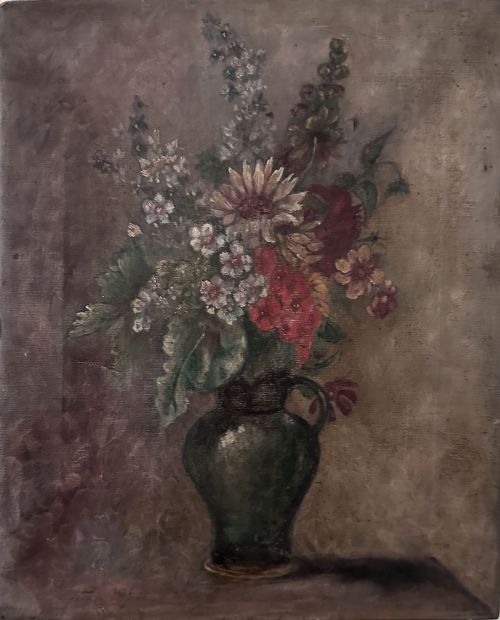
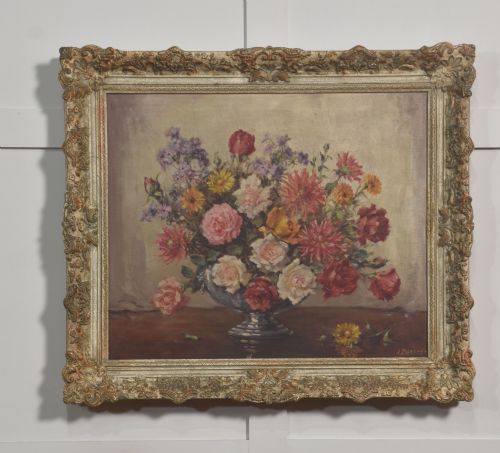
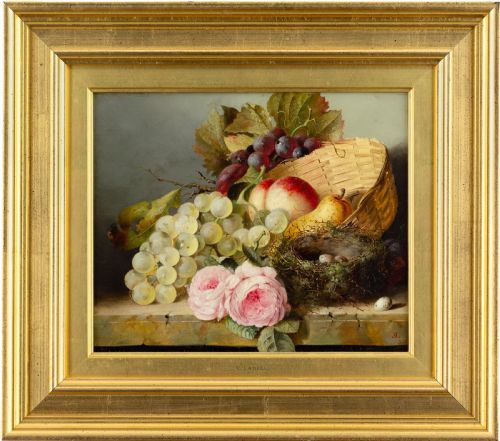
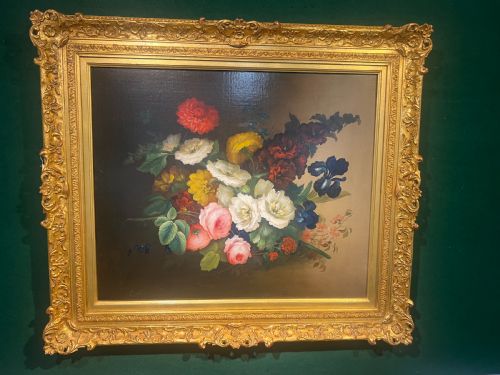
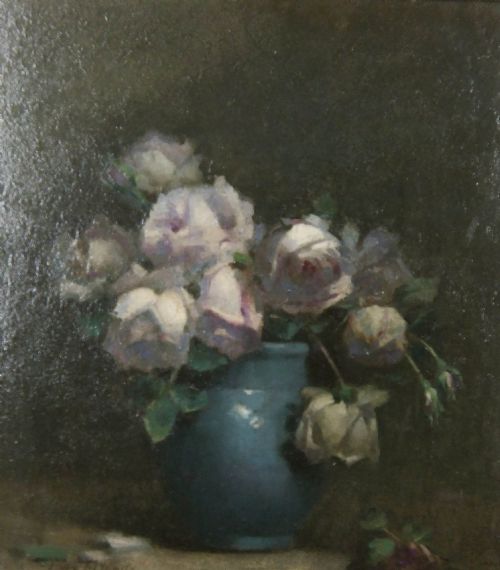
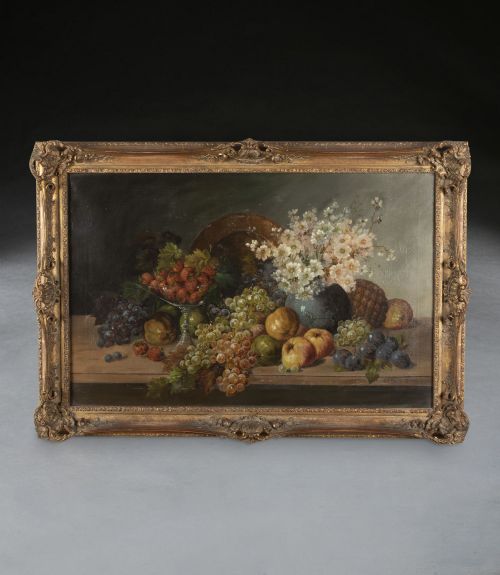
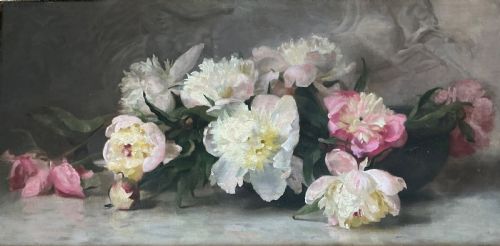
Subjects include roses, peonies, lilies, and mixed spring or summer bouquets arranged in vases, baskets, or urns. These artworks serve as focal points for period and eclectic interiors alike, offering enduring visual richness through oil pigment on canvas or wood panels.
Materials and methods
Painters utilised oil paint applied to stretched canvas or wood panels, building up rich textures and deep tones. Brushes captured the delicate petals of roses and tulips alongside botanical details such as leaves and stems.
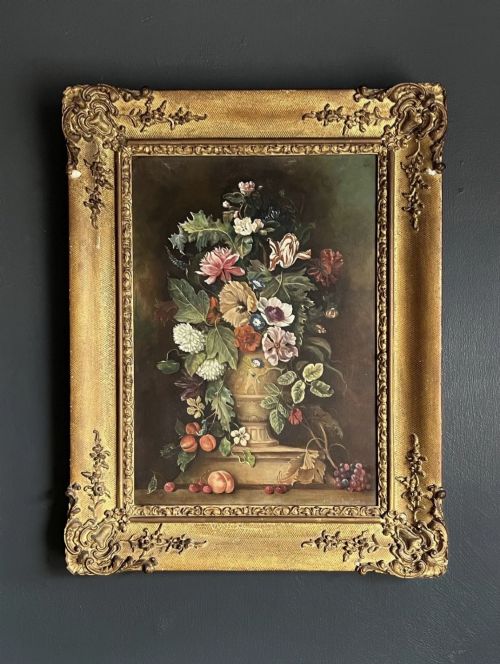
Many canvases are housed in original or period frames constructed from wood with gesso ornamentation, often finished in gold leaf or gilt paint. These frames complete the presentation of the artwork and protect the perimeter of the canvas.
Several floral canvases discreetly tuck butterflies, birds' nests, or visiting beetles among the petals for observant viewers to discover.
Assessing quality
Quality rests in the confidence of the brushwork and the harmony of the floral composition, where skilled artists balance light, shadow, and colour depth. Superior examples demonstrate attentive handling of petals, foliage, and reflective surfaces on vases.
The integration of the artwork with its period frame contributes significantly to the overall integrity of the piece. Well-preserved surfaces retain pigment vibrancy and stable canvas tension without extensive intervention.
I. Berezny·Edward Ladell·Edwin Steele·Manuela Bonati·William Thomas Wood·Gertrude Hayes·Owen Bowen·Calzolari·Terence Loudon·Robin MacKertich·Henry Schouten·L. Wilford·Pierre-Joseph Redouté·Emily Selinger·Margaret Evangeline Wilson·Harold Edward Conway·Edgar Bundy·Katherine Bourne·Ralph Hedley RBA
The Traditional Floral Oil Painting Glossary
- Canvas
- A heavy woven fabric stretched across a wooden frame to form the painting surface. It provides the foundational texture for oil paint application.
- Gesso
- A plaster-like mixture applied to wooden frames before gilding or painting. It creates a smooth base for intricate decorative mouldings.
- Still life
- An artwork depicting inanimate subject matter, typically everyday objects or botanical specimens. Floral arrangements form a central genre within this tradition.
- Impressionism
- An art movement focusing on light and its changing qualities rather than precise botanical accuracy. British practitioners adapted these techniques for garden and floral subjects.
- Baroque revival
- A nineteenth-century style emulating the dramatic composition and rich dark backgrounds of seventeenth-century Dutch painting. Works in this style emphasise theatrical floral arrangements.
Traditional Floral Oil Painting: Frequently Asked Questions
How do I hang a heavy framed oil painting?
Heavy framed oil paintings require secure wall anchors and appropriate picture wire or brackets rated for the total weight. Ensure the fixing engages directly with wall studs or masonry rather than plaster alone.
Position the centre of the canvas at approximate eye level to achieve balanced proportions within the room. Consider lighting angles to minimise glare on the varnished surface.
What is the difference between Dutch style and British Impressionist floral paintings?
Dutch style floral paintings typically feature dark, dramatic backgrounds with highly detailed arrangements of tulips, roses, and insects. These compositions emulate seventeenth-century masters through meticulous rendering.
British Impressionist works focus on loose brushwork, natural daylight, and relaxed garden gatherings. They prioritise atmospheric light over botanical precision.
How should I clean an antique oil painting?
Dust accumulated on the canvas surface should be removed gently with a soft, dry artist brush. Avoid using water, household cleaners, or chemical solvents on the paint layer.
Professional conservators should handle deeper cleaning or varnish removal to prevent damaging the underlying pigment. Regular dusting preserves the stability of the paint film.
Do these paintings require specific environmental conditions?
Oil paintings on canvas respond to fluctuations in temperature and humidity by expanding and contracting. Keep them away from direct sunlight, radiators, and damp exterior walls.
Stable indoor climates prevent the canvas from slackening and protect the gesso frame from cracking. Consistent placement ensures the long-term preservation of the materials.