

18th Century Bedroom Furniture
Eighteenth century bedroom furniture brings timeless utility and timber warmth to domestic spaces through handcrafted chests, wardrobes, and washstands.
18th Century Bedroom Furniture
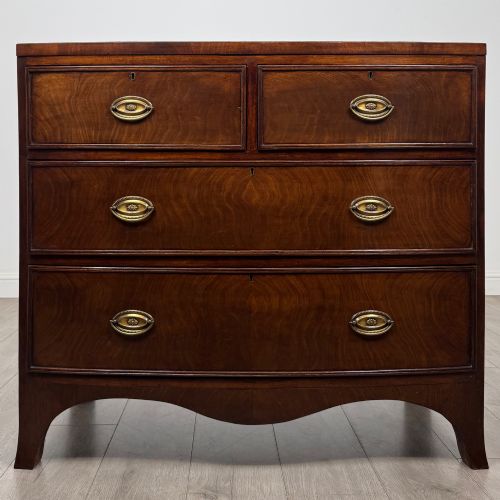
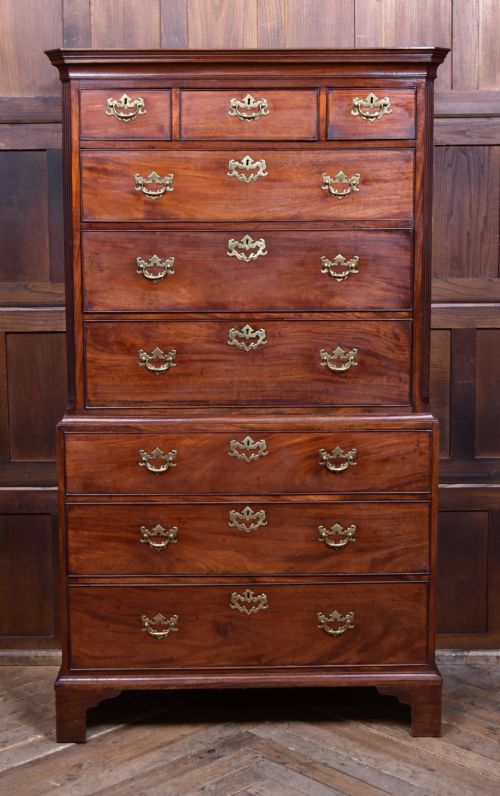
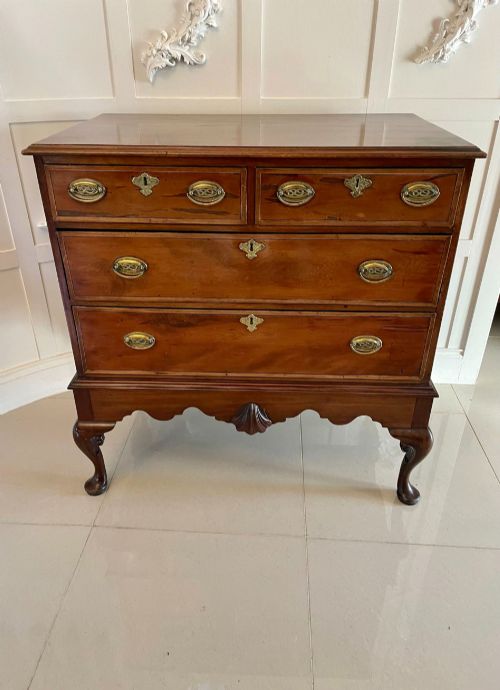
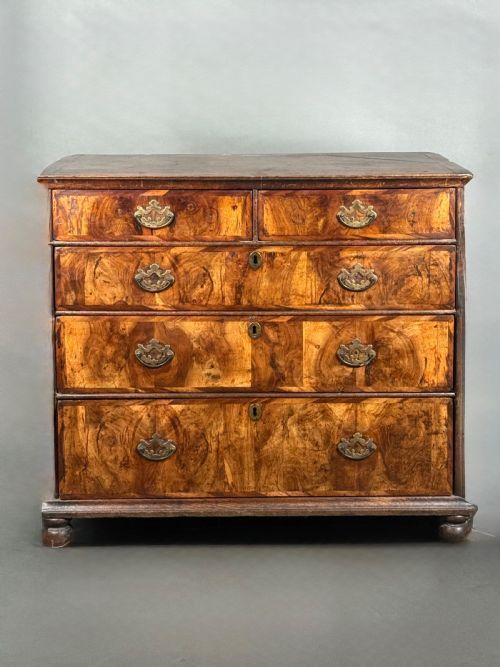
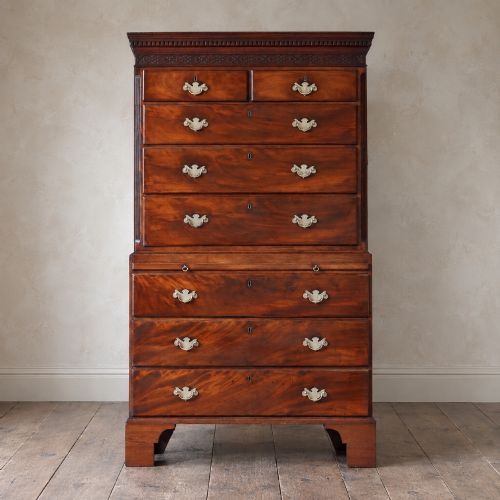
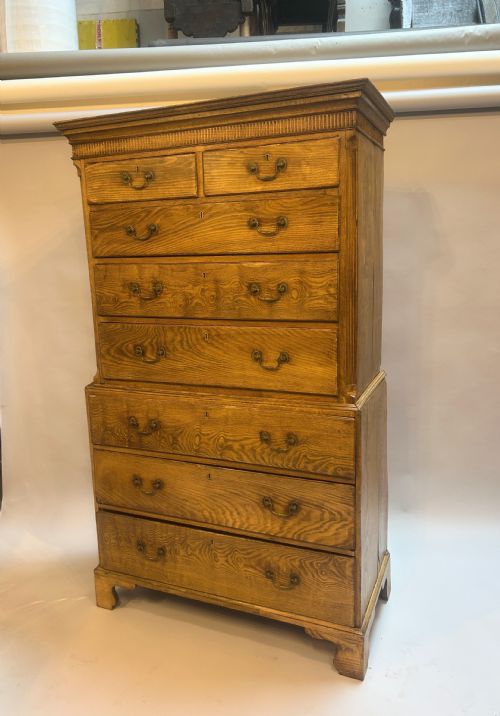
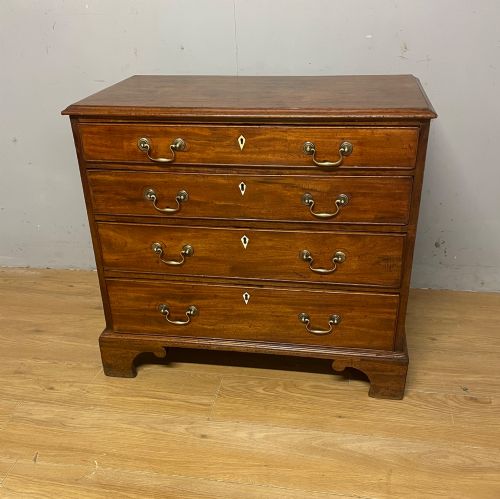
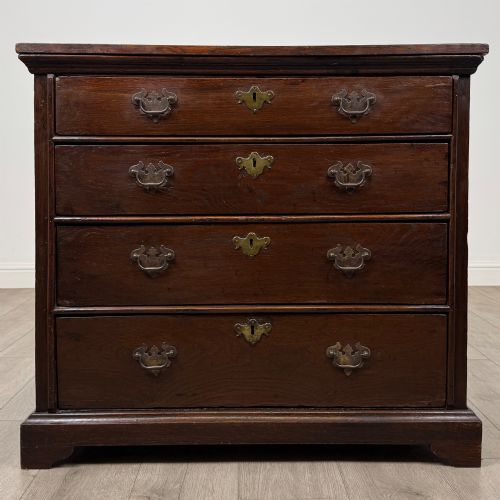
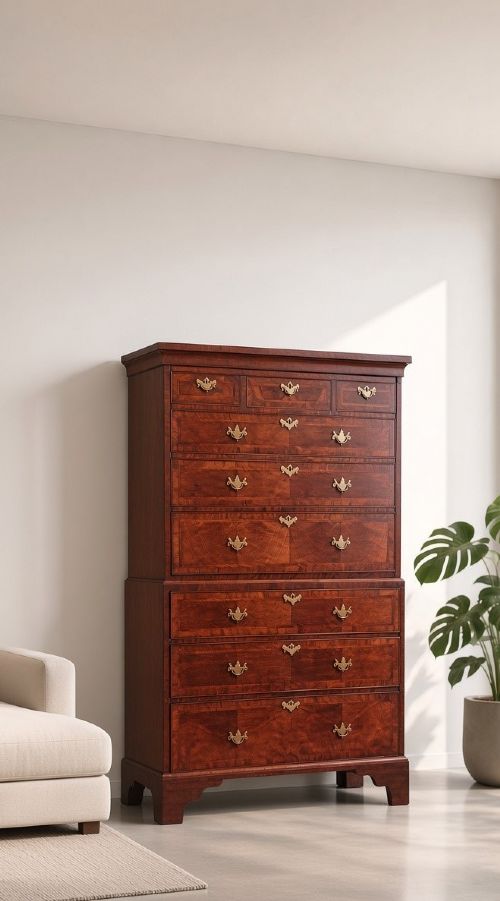
When searching for 18th century bedroom furniture, buyers encounter robust pieces designed for personal chambers, predominantly chests of drawers, tallboys, and chests on chests. These domestic items span the Georgian, Queen Anne, and George II and III periods, alongside continental European commodes from the same era.
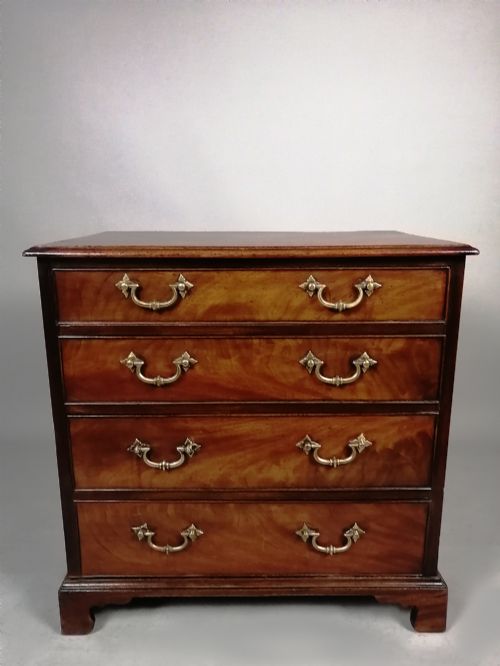
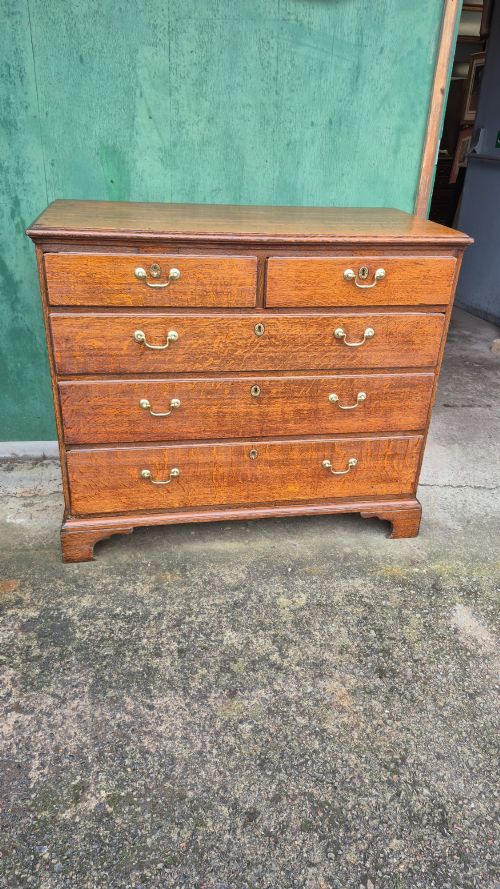
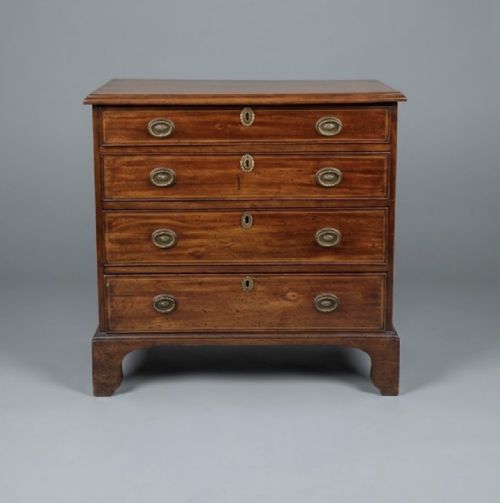
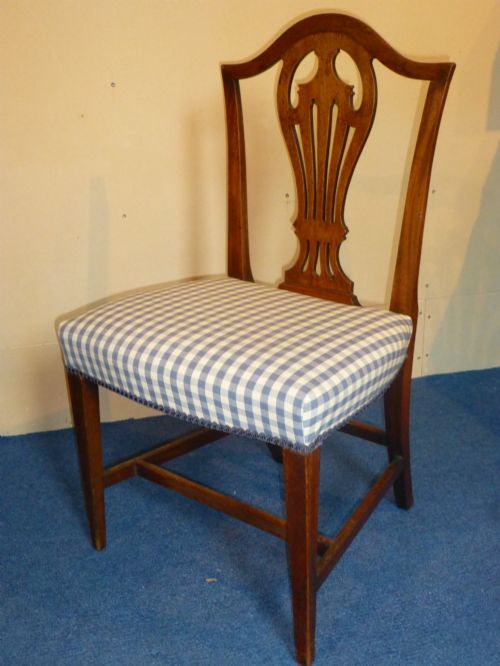
The most common survival on this page is the Georgian mahogany or oak chest of drawers, often fitted with a sliding writing shelf or brushing slide. Alongside these stand larger wardrobe presses, dressing tables, and side chairs constructed in walnut, fruitwood, and cherrywood.
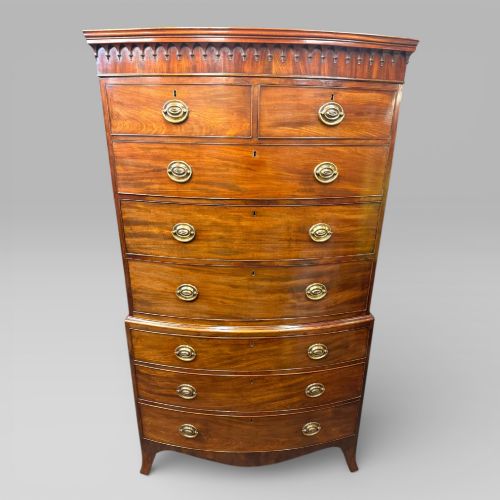
Origins stretch from English workshops to French provincial makers, utilising regional timbers like cedar and chestnut. Buyers find both modest four-drawer designs and taller, architectural pieces featuring serpentine or oxbow fronts.
Materials and construction techniques
Cabinet makers relied heavily on solid mahogany, oak, and walnut, frequently selecting figured veneers and burr walnut to face drawer fronts. Secondary timbers like pine and fruitwood appeared in internal drawer linings and carcass backs, whilst brass handles and escutcheons provided functional hardware.
Joinery methods involved hand-cut dovetails for drawer construction and pegged mortise and tenon frames. Timber surfaces were hand-finished with wax or shellac polishes that highlighted the natural grain patterns of the wood.
Listings feature four distinct wood types used for structural carcasses: mahogany, oak, walnut, and pine.
Distinctions in standard and execution
Quality separates pieces through the selection of timber figures, such as highly figured walnut or book-matched mahogany veneers. Superior examples display tighter dovetail joints, original brass hardware, and careful proportions that balance the decorative grain.
The sophistication of the silhouette defines the upper tier, seen in serpentine or oxbow fronts and crisp cockbeading around drawer edges. Poorer examples show heavy alterations, replaced timber sections, or standardised replacement brasses that lack period harmony.
The 18th Century Bedroom Furniture Glossary
- Chest on Chest
- A tall storage unit comprising one chest stacked directly upon a slightly larger lower chest, often called a tallboy. This form maximised vertical storage in period chambers.
- Brushing Slide
- A pull-out wooden shelf integrated above the top drawers, historically used for writing or brushing clothes. It slides flush into the cabinet frame when not in use.
- Serpentine
- A curved furniture front characterised by a convex centre flanked by concave wings. This undulating shape requires advanced woodworking skill.
- Figured Walnut
- Timber cut from specific parts of the walnut tree, showing highly decorative, swirling grain patterns. Cabinet makers prized this for principal visual surfaces.
- Commode
- A low French or continental chest of drawers or cabinet. These frequently exhibit bombe profiles or elaborate fruitwood and cherrywood construction.
18th Century Bedroom Furniture: Frequently Asked Questions
What is a brushing slide used for?
A brushing slide served as a convenient pull-out surface for folding garments or writing notes within the bedchamber.
It tucks discreetly beneath the top moulding when not in operation.
How do I identify a George III chest?
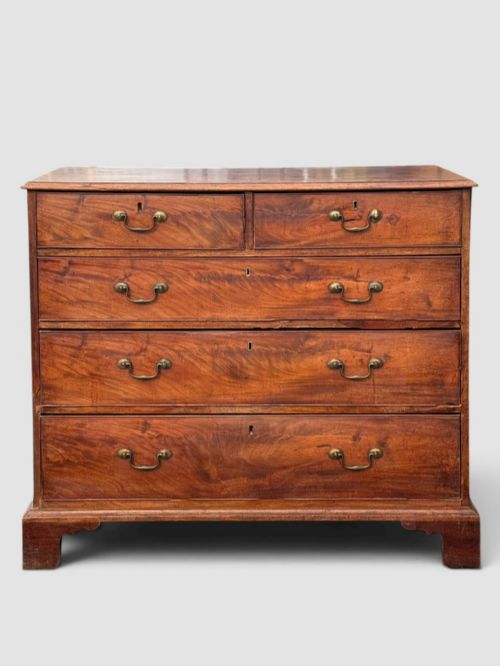
George III pieces typically display cleaner classical lines, mahogany or oak construction, and often incorporate bracket feet or shaped aprons.
Drawer arrangements commonly feature two small drawers over three graduated larger ones.
Are these pieces suitable for modern bedrooms?
Their modest footprints and deep drawers make them exceptionally practical for contemporary clothing and linen storage.
Solid timber construction ensures they withstand daily domestic use.
What is the difference between walnut and mahogany?
Walnut dominated earlier periods like the reign of Queen Anne, prized for rich brown tones and figured grain patterns.
Mahogany gained widespread favour later in the century for its dark reddish hue and structural stability.