





18th Century Barware
These 18th century barware pieces bring Georgian hospitality to the table, offering genuine serving vessels and drinking implements that collectors prize for their authenticity.
18th Century Barware
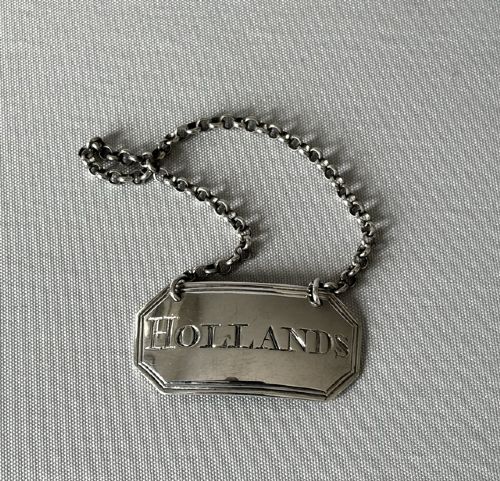
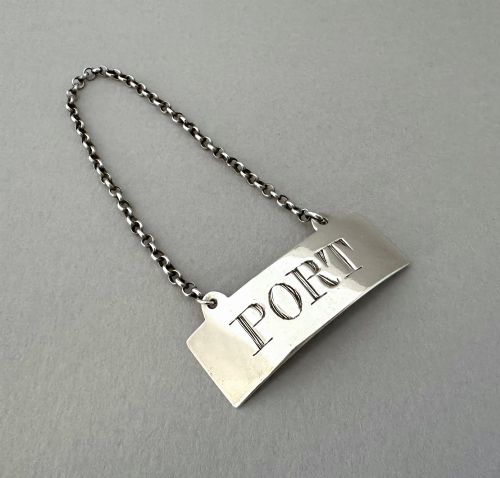
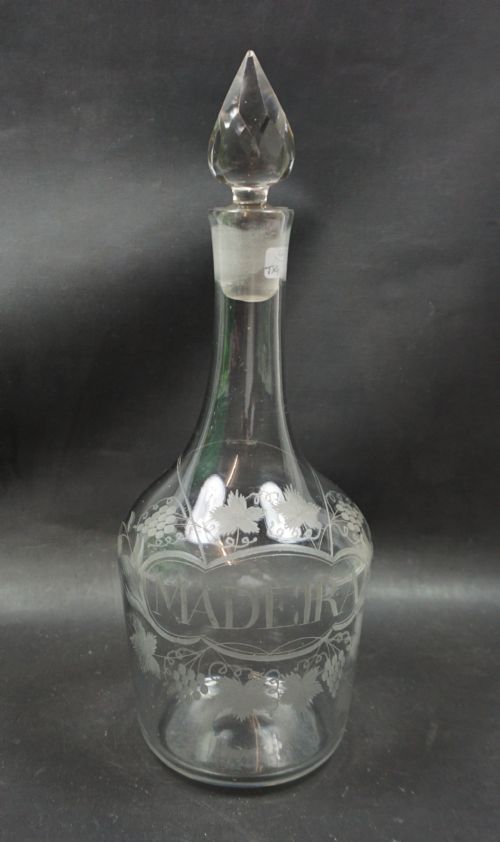
When you search for 18th century barware, you enter a diverse category of drinking vessels, pouring equipment, and serving accessories originating from the Georgian period. The items on this page span decanters, tankards, toddy ladles, and corkscrews designed for wine, spirits, and punch.
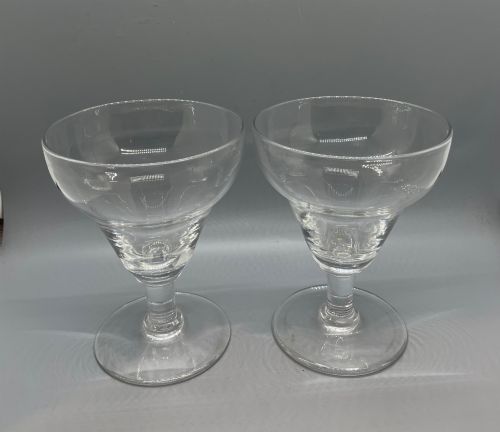
You are most likely to encounter silver decanter labels, glass decanters, and silver toddy ladles among these listings. Tankards in silver and Old Sheffield plate also appear frequently, alongside specialised items like mahogany wine coolers and dram glasses.
The objects stem predominantly from the eighteenth century, with specific examples dated around seventeen seventy or seventeen seventy-four, and some extending into the early nineteenth century. This selection captures the drinking culture of Georgian Britain through practical implements fashioned from lead glass, sterling silver, wood, and copper.
Materials and methods of construction
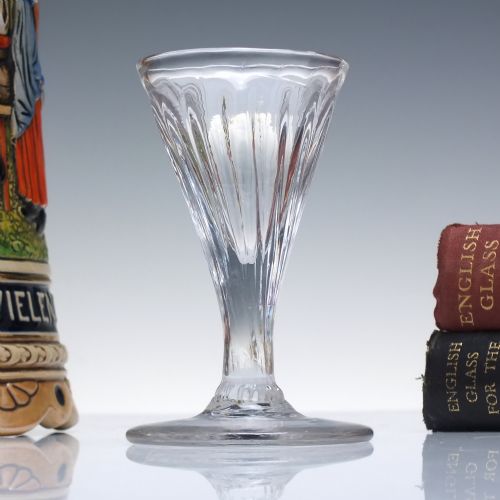
Silversmiths shaped sterling silver and old Sheffield plate into tankards, brandy pans, and delicate decanter labels using traditional hammering, soldering, and engraving techniques. Glassmakers produced lead glass and lead crystal decanters and dram glasses through glassblowing, rib moulding, and cutting.
Woodworkers utilised mahogany and coquilla nut to construct wine coolers, tantalus frames, and composite toddy ladles, often incorporating turned elements and silver mounts. Metalsmiths and glassworkers combined their skills to create complex pieces such as silver-cased corkscrews with twist covers.
18th Century Barware Retail Price Guide 2026
Typical asking prices for 18th century barware among the pieces listed under this phrase on Sellingantiques today, from the lower quarter to the upper quarter. They describe what is for sale here now, not the wider market.
The site archives include provincial silver brandy pans and engraved decanters from the seventeen seventies.
Distinctions in quality
The standard of an item rests on the crispness of its hallmarks, the depth of its hand-engraving, and the purity of its metal or glass. Superior silver pieces display clear maker marks and town marks, while finer glass items show precise rib moulding or clean cut facets without excessive wear.
Construction integrity also separates ordinary examples from exceptional ones, particularly in composite items where wood, silver, and bone or nut fit seamlessly together. Pieces retaining their original components, such as functional corkscrew twists or matching decanter labels, demonstrate higher preservation levels.
Samuel Blatchford
The 18th Century Barware Glossary
- Toddy Ladle
- A small pouring spoon with a long twisted whalebone, wood, or metal handle used for serving hot punch or whisky toddy.
- Old Sheffield Plated
- A composite material made by fusing a thin sheet of silver to a thicker copper base, common in Georgian tableware.
- Dram Glass
- A small drinking vessel designed for a single measure of spirits, often featuring rib moulding or thick lead glass bases.
- Decanter Label
- A small silver or metal tag hung by a chain around the neck of a bottle to identify the contents, such as port or Madeira.
- Tantalus
- A locking wooden frame holding decanters securely to prevent unauthorized access to the spirits inside.
- Brandy Pan
- A small metal saucepan with a pouring lip, used in the eighteenth century for warming spirits over a flame.
18th Century Barware: Frequently Asked Questions
What is 18th century barware used for?
These historical drinking implements were created to serve wine, punch, beer, and spirits during Georgian social gatherings. People used decanters to hold liquids, labels to identify them, and ladles to transfer punch from bowls to cups.
Today, collectors utilise these functional antiques to serve drinks in a traditional manner or display them as period dining room accessories.
How do I identify Georgian glass?
Georgian glass often exhibits a heavier weight due to lead content, along with distinctive characteristics like pontil marks on the base from handblowing. Pieces may show rib moulding or hand-cut facets rather than the uniform machine perfection of later eras.
Examining the clarity, tint, and surface wear helps distinguish genuine eighteenth-century glassware from later reproductions.
What is Old Sheffield plate?
Old Sheffield plate is an early plating technique where a thin layer of sterling silver is fused to a copper core under heat and pressure. Makers used this method to produce large items like tankards and goblets that looked like solid silver at a lower cost.
Over time, the underlying copper may show subtly through the silver at high points or edges, which helps confirm the age and manufacturing method.
How should I care for silver barware?
Silver barware requires gentle cleaning with non-abrasive cloths and mild cleaners specifically formulated for antique silver to preserve the hallmarks and engraving. Avoid harsh chemical dips that strip the natural patina accumulated over centuries.
Storing pieces in dry environments away from direct sunlight protects organic handles made of wood or coquilla nut from shrinking or cracking.