




18th Century Air Twist
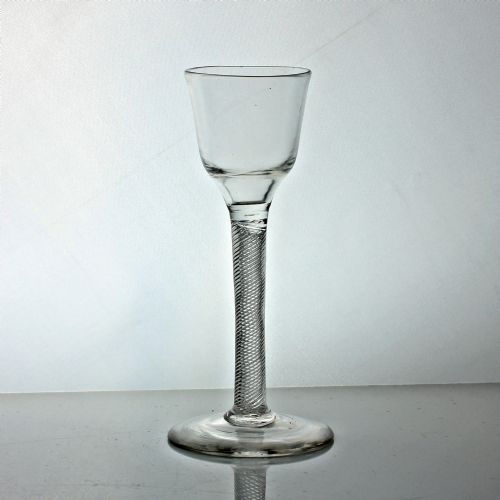
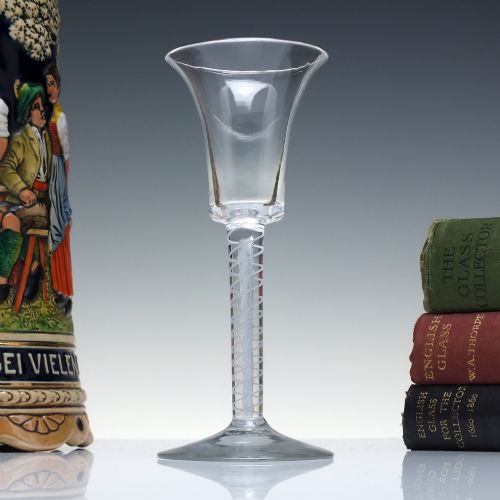
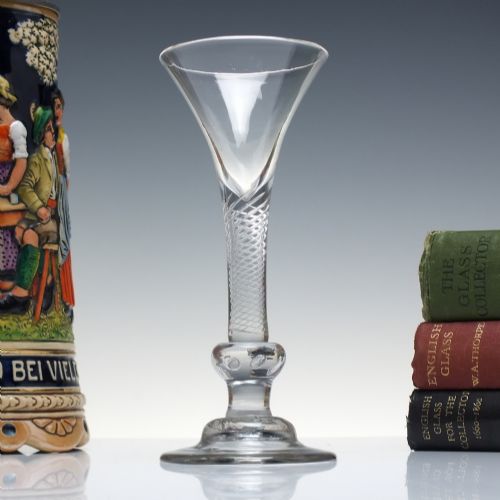
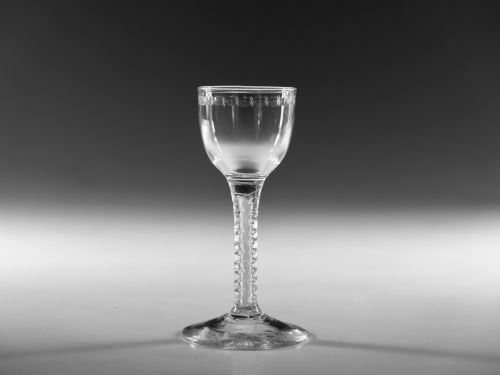
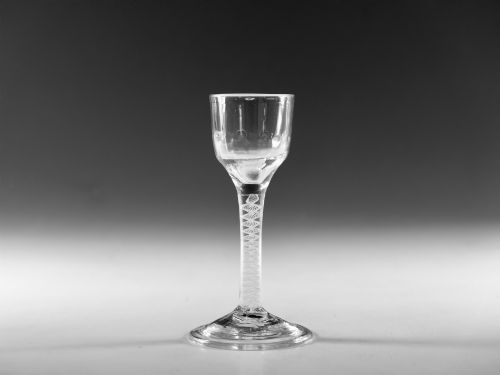
When considering an 18th century air twist, you are looking at drinking vessels defined by intricate optical threads trapped within the glass stem.

18th Century Air Twist
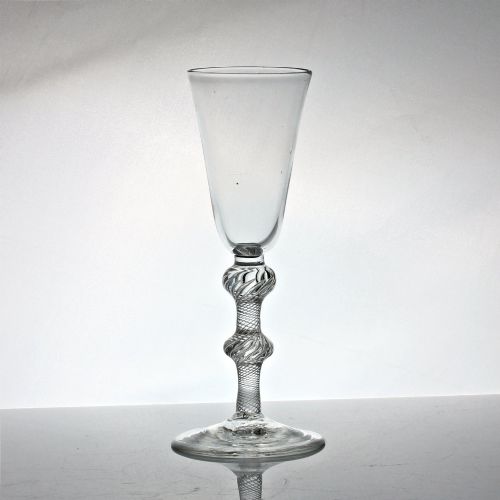
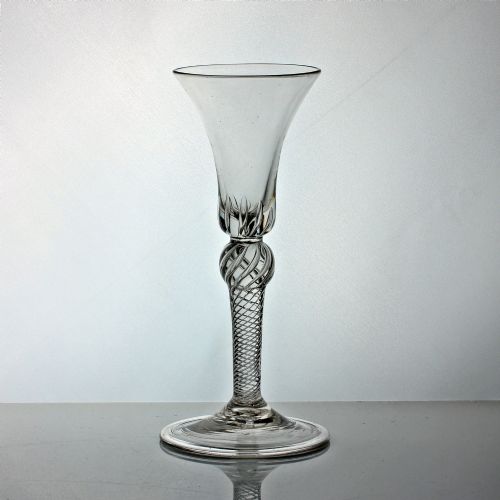
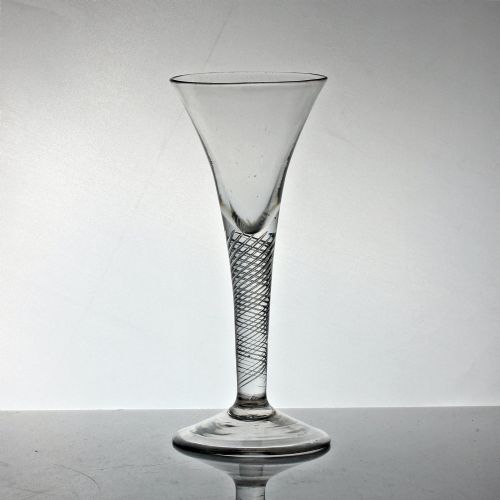
An 18th century air twist encompasses drinking glasses such as wine glasses, ale glasses, cordials, and champagne flutes originating from the Georgian period around 1750 to 1800. These pieces are characterised by slender stems enclosing spiralling channels of air rather than solid lead glass.
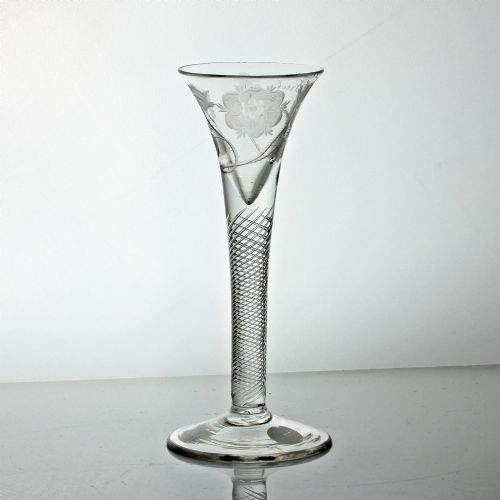
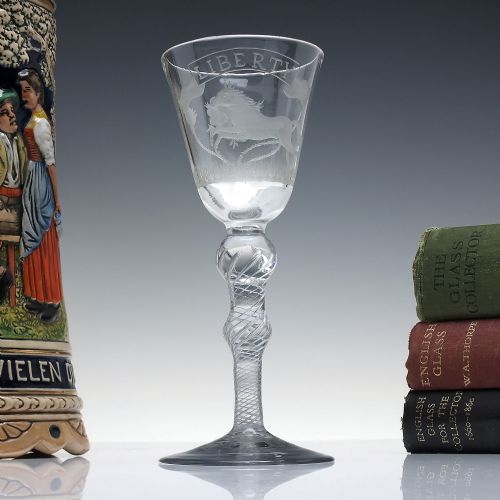
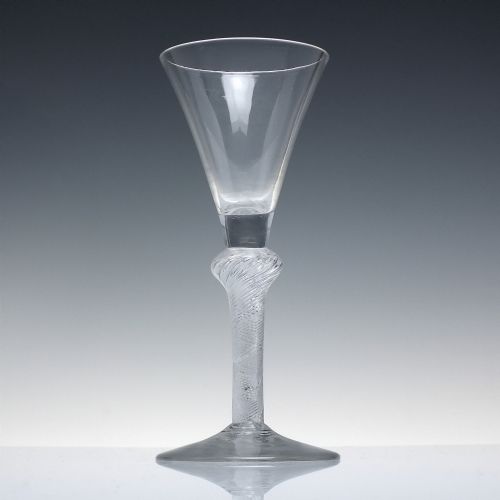
The version most commonly met on this page is the wine glass featuring a multi-spiral air twist stem supporting bowls like the ogee, bell, or pan top. Collectors also encounter ale glasses and tall champagne flutes displaying similar stem formations alongside engraved decoration.
What Varies in Quality
The clarity and brilliance of the lead glass or flint glass set the foundation, with superior examples showing high transparency free from heavy cloudiness or excessive internal impurities. Exceptional pieces combine this material purity with well-balanced proportions between the bowl, stem, and foot.
Execution of the twist itself dictates the distinction between standard items and finer specimens, where tight, regular multi-spiral threads display greater technical control than erratic or uneven channels. Engraved decoration, when present, ranges from simple polished lines to detailed Jacobite emblems or floral motifs executed with precision.
The inventory records pieces dated from 1750 through 1800, capturing the height of English lead glass production.
The 18th Century Air Twist Glossary
- Air twist
- A stem formation containing elongated spiral bubbles trapped within the clear glass. This technique gained popularity in English glassmaking during the mid-Georgian era.
- Opaque twist
- A stem variation incorporating white enamel threads rather than air channels. These threads often appear alongside air twists in double series configurations.
- Knop
- A bulbous or swelling projection moulded onto the stem of a glass. Multiple knops provide grip and visual interruption along the stem.
- Pan top bowl
- A straight-sided bowl with a slight outward flare at the rim. This form frequently appears on mid-18th century wine glasses.
- Folded foot
- A glass foot formed by folding the edge under to create a rounded rim. This technique added stability and strength to the base of the vessel.
18th Century Air Twist: Frequently Asked Questions
What is an air twist glass?
An air twist glass is a Georgian drinking vessel featuring fine spiral channels of air trapped inside the glass stem.
These optical threads were formed while the metal was hot and pliable during the manufacturing process.
How do you date an air twist?
Dating relies on stylistic indicators such as bowl shape, foot formation, and the specific complexity of the internal twist.
Most examples date from the mid-18th century, aligning with the reigns of George II and George III.
Were these glasses used daily?
In the 18th century, these glasses served for consuming wine, ale, cordials, and champagne at table.
Their delicate nature meant they were handled with care during dining and social occasions.
What is a multi spiral twist?
A multi spiral twist contains numerous fine air threads winding closely together through the stem.
This style creates a dense, shimmering optical effect compared to single-thread variations.