

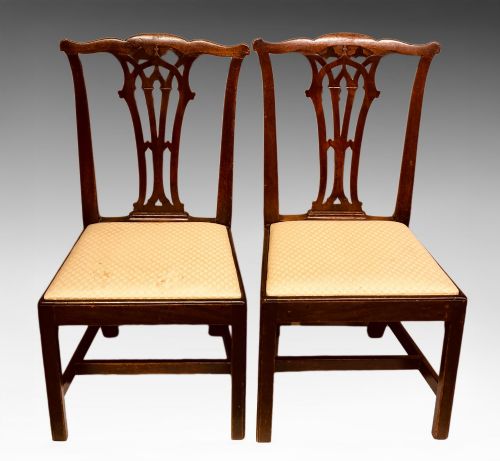
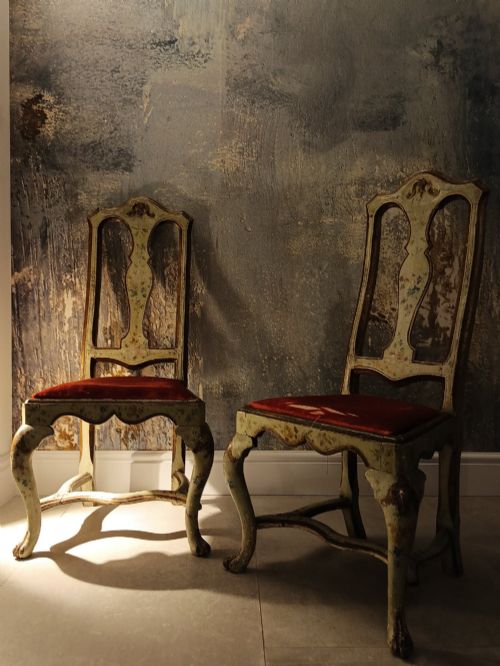
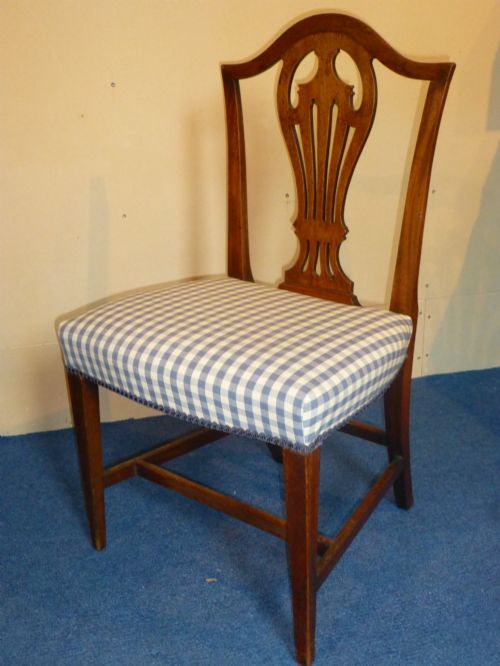
18th Century Accent Chair
An 18th century accent chair brings genuine period character and architectural timber form into a room.
18th Century Accent Chair
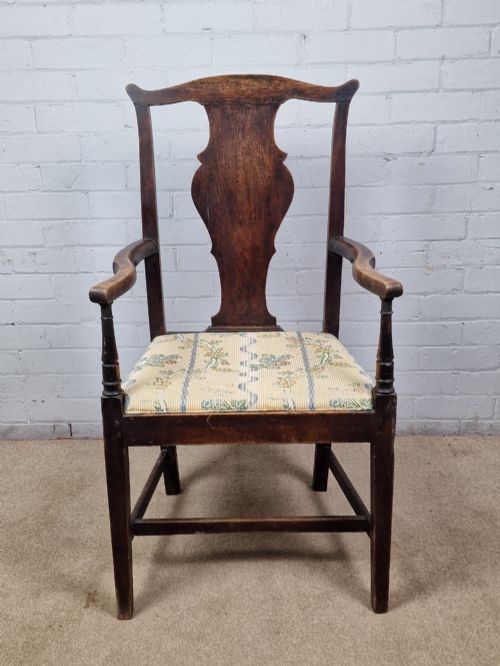
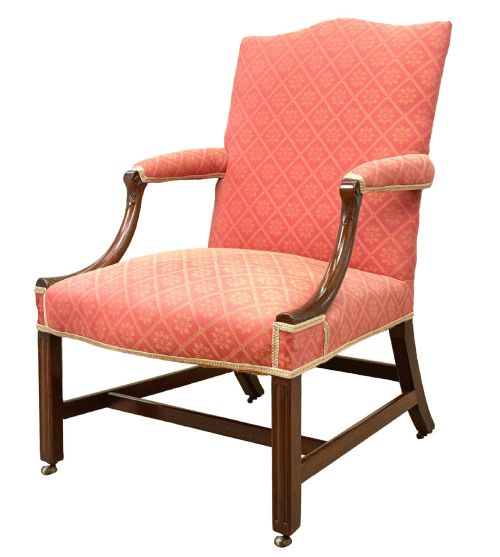
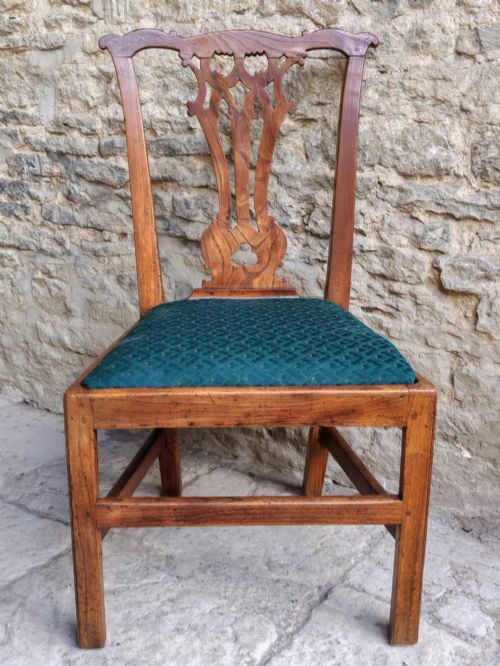
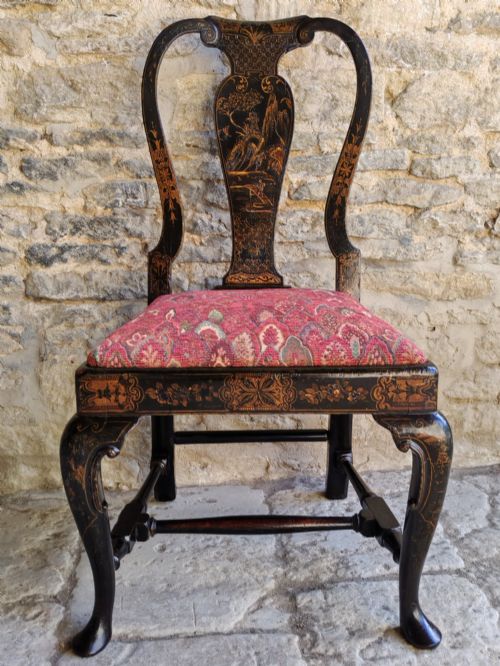
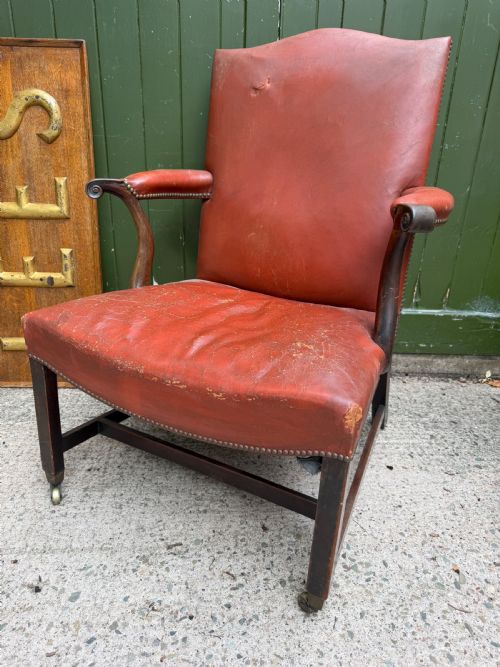
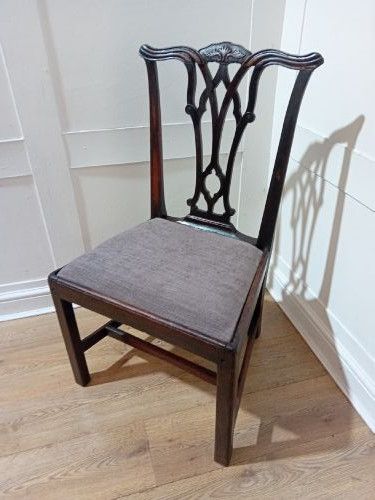
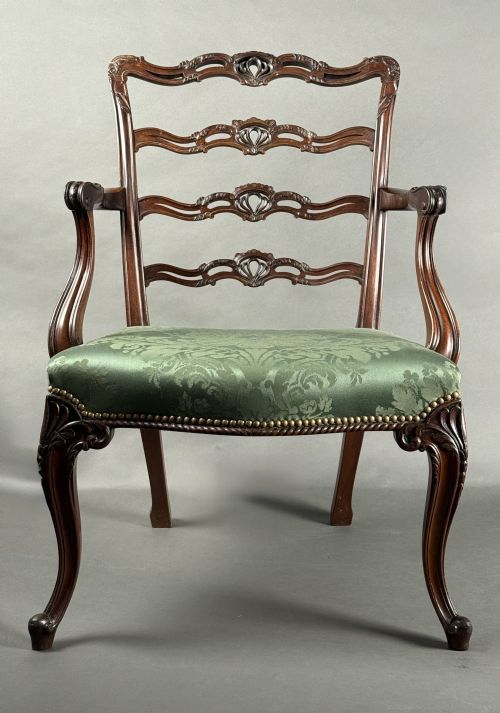
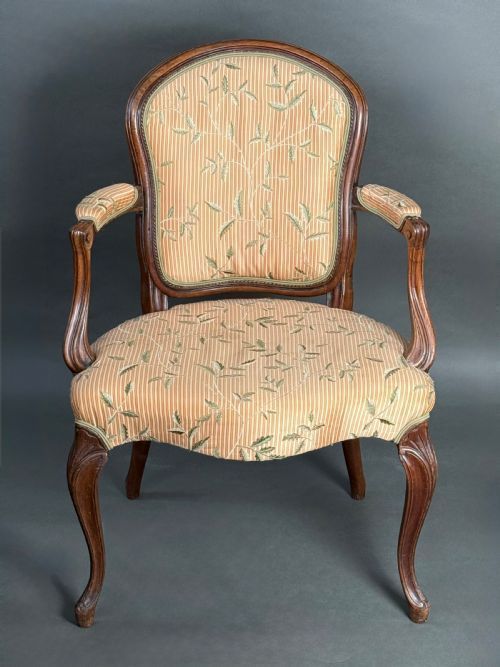
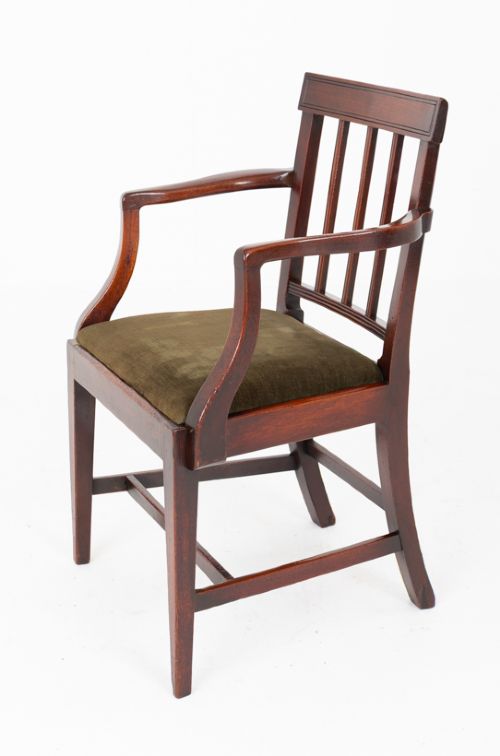
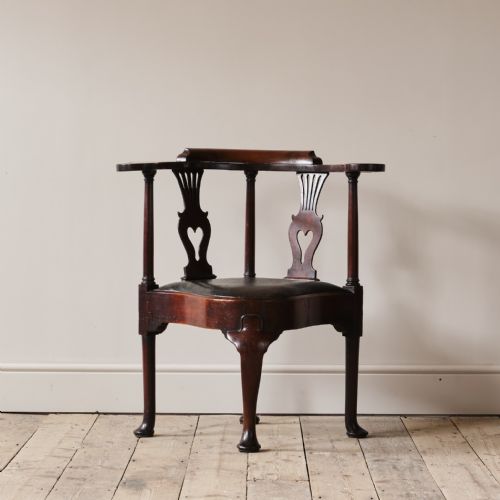
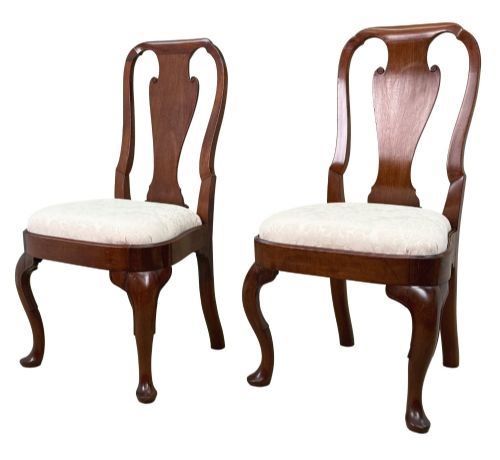
An 18th century accent chair encompasses seating forms designed across the Georgian, Queen Anne, and George III periods. Buyers searching for an 18th century accent chair encounter varied seat furniture including armchairs, library chairs, Gainsborough chairs, and diverse side or hall chairs.
The materials and origins span English, Scottish, Irish, and Continental workshops. Woods such as walnut, mahogany, oak, fruitwood, and elm form the structural frames, often paired with traditional textile, leather, or silk upholstery.
Most examples originate from the 18th century or adopt Georgian and Chippendale styling from that era. These chairs function as focal points in modern interiors while retaining their historic joinery and form.
How they were made
Cabinetmakers constructed these frames using dense timbers like mahogany, walnut, and oak, frequently employing mortise and tenon joinery. Decorative techniques included hand carving, bobbin turning, and giltwood finishes on specific regional and continental pieces.
Upholstered variants relied on natural fillings secured beneath textiles, leather, velvet, or silk fabrics. Frame elements like cabriole legs and shield backs required precise hand shaping from solid timber stocks.
Listings feature mahogany, walnut, oak, and fruitwood alongside textiles, velvet, leather, and brass across multiple 18th century styles.
What varies in quality
The distinction between standard and exceptional pieces rests in the crispness of the hand carving and the integrity of the primary timber. Walnut and mahogany frames with deep, unsoftened relief work demonstrate superior workshop execution.
Proportion and structural retention dictate the standing of an armchair or side chair. Retained original surfaces and period upholstery choices elevate the historical coherence of the piece.
The 18th Century Accent Chair Glossary
- Gainsborough chair
- A type of wide, upholstered library armchair with open padded arms, originating in the mid-18th century.
- Cabriole leg
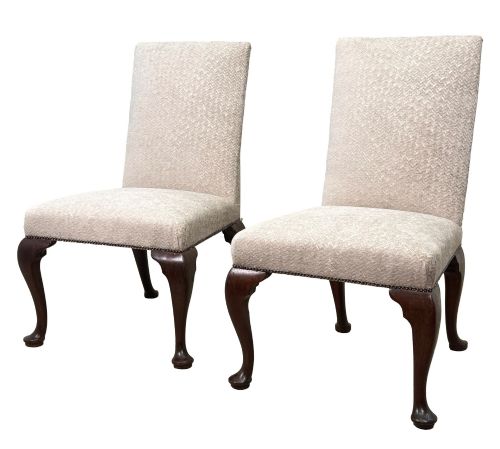
- A furniture leg featuring a double curve, bending outward at the knee and inward at the ankle, common in Queen Anne and George II pieces.
- Chinoiserie
- European decorative style inspired by Chinese artistic motifs, appearing on mid-18th century furniture.
- Drop-in seat
- A removable seat frame upholstered separately and dropped into a recess in the chair rail.
- Shield back
- A chair back shaped like a rounded shield, popular during the Hepplewhite period.
18th Century Accent Chair: Frequently Asked Questions
Where were these chairs used historically?
These seating forms served multiple domestic functions in period homes, from library armchairs for reading to hall chairs for entryways. Desk chairs and side chairs populated studies, parlours, and dining rooms.
Larger upholstered armchairs provided comfortable seating for drawing rooms, while sturdy oak or mahogany hall chairs furnished formal corridors.
How do I care for antique upholstery?
Protect antique textiles, leather, or silk by avoiding direct sunlight and maintaining stable room humidity. Gentle vacuuming with a soft brush attachment removes surface dust without stressing the fabric.
Consult a specialist restorer before undertaking any intervention on fragile historic coverings or original stuffings.
Can I use an antique chair daily?
Many sturdy mahogany, walnut, and oak chairs remain structurally sound for regular daily use. Checking the stability of the joints ensures the frame handles standard weight safely.
Lighter decorative or giltwood pieces require more careful placement to protect delicate carvings and historic finishes from accidental impact.