



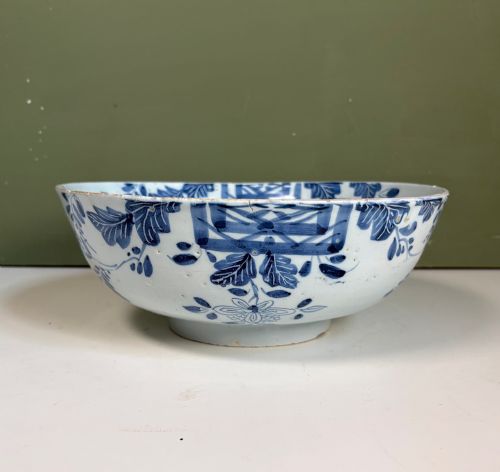

18th C Pottery
When you search for 18th c pottery, you enter a diverse field of earthenware, stoneware, and porcelain shaped during the Georgian era.
18th C Pottery
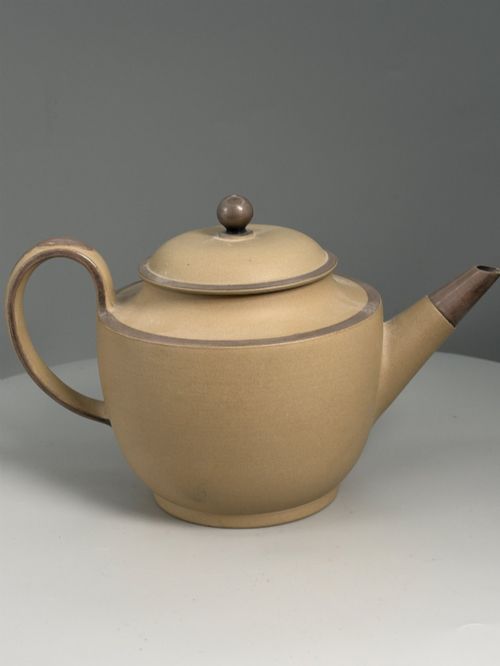
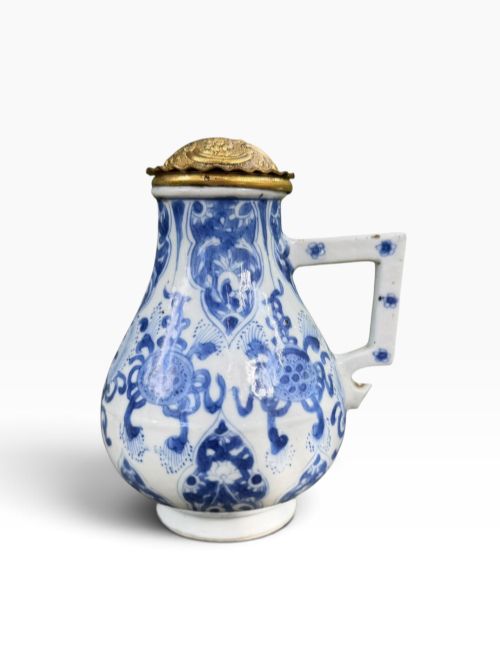
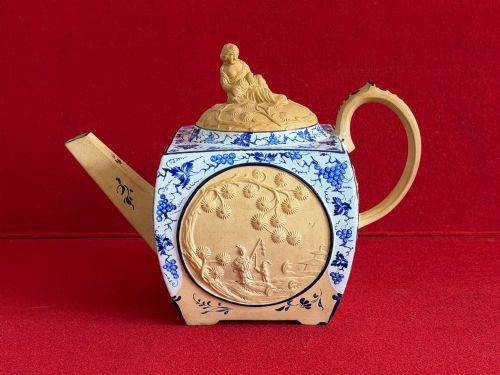
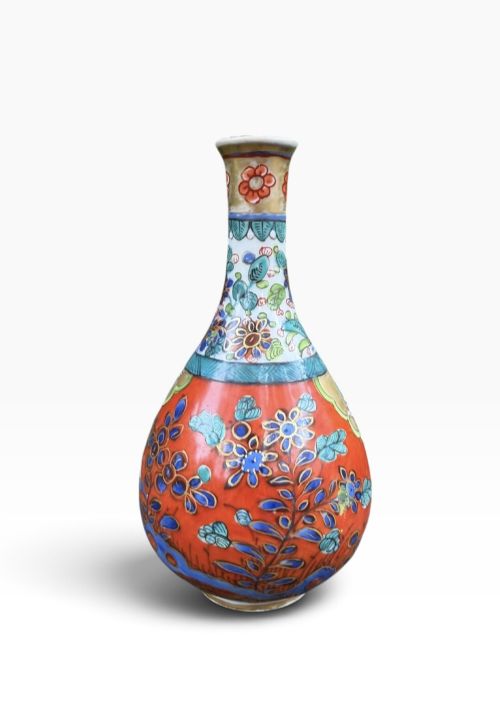
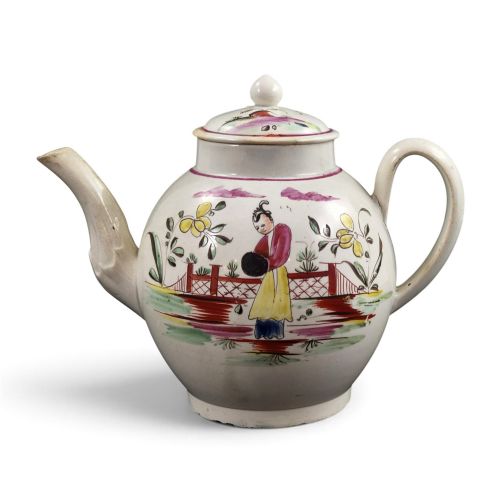
When searching for 18th c pottery, collectors encounter a broad spectrum of ceramic wares spanning domestic utensils, apothecary jars, and decorative chargers. The selection draws together pieces from English potteries, Dutch delftware workshops, and Chinese export kilns.
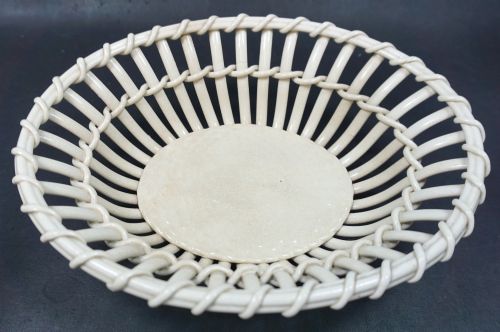
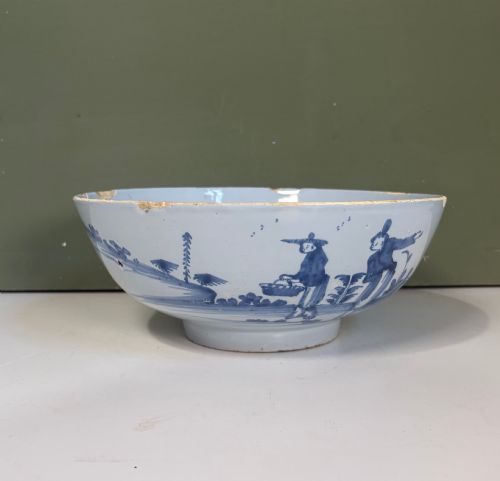
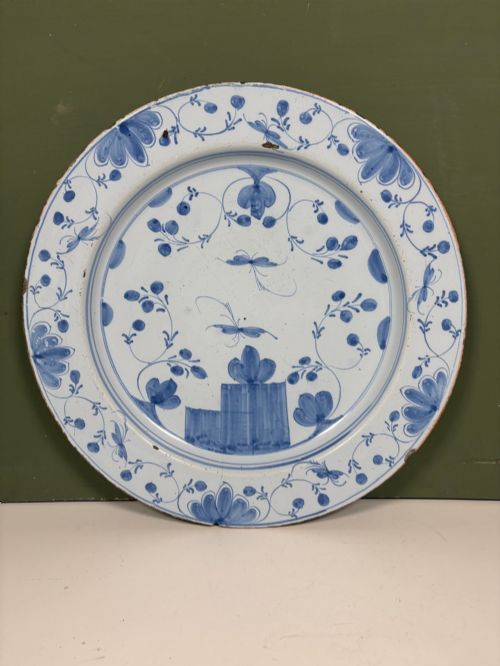
The objects most frequently met on this page include blue and white chargers, creamware plates, salt-glazed stoneware jugs, and tin-glazed earthenware bowls. Many items reflect international trade and stylistic exchanges between European centres and Asian manufacturers.
The forms range from utilitarian oil bottles and puzzle jugs to elaborate bough pots, posset pots, and devotional plaques. These pieces represent the everyday functions and aesthetic tastes of households across the Georgian period and surrounding decades.
Materials and production methods
Potters of this era shaped local clays and imported porcelain bodies by hand or on the wheel, applying tin glazes, salt glazes, or lead glazes to seal the porous earthenware beneath. Cobalt oxide provided the deep blue pigment seen on many delftware and Chinese porcelain surfaces.
Firing techniques varied from low-temperature earthenware kilns to high-firing stoneware ovens and sophisticated porcelain kilns in the Qing Dynasty. Artisans utilised hand-painting, transfer printing, and metal mounting to finish domestic vessels and decorative objects.
18th C Pottery Retail Price Guide 2026
Typical asking prices for 18th c pottery among the pieces listed under this phrase on Sellingantiques today, from the lower quarter to the upper quarter. They describe what is for sale here now, not the wider market.
Listings feature earthenware, stoneware, and porcelain from both European and Asian origins.
Distinctions in quality and execution
The standard of 18th c pottery depends heavily on the crispness of the hand-painted decoration, the stability of the glaze during firing, and the symmetry of the thrown clay body. Pieces with intricate polychrome brushwork or well-preserved cobalt blue details demonstrate superior workshop skill.
Condition plays a significant role in evaluation, noting the retention of original pewter lids on jugs, the absence of excessive glaze flaking on tin-glazed earthenware, and the integrity of applied handles or spouts on teapots and apothecary jars.
Pieter Verburg·George Gordon Morison·Wedgwood·Spode
The 18th C Pottery Glossary
- Creamware
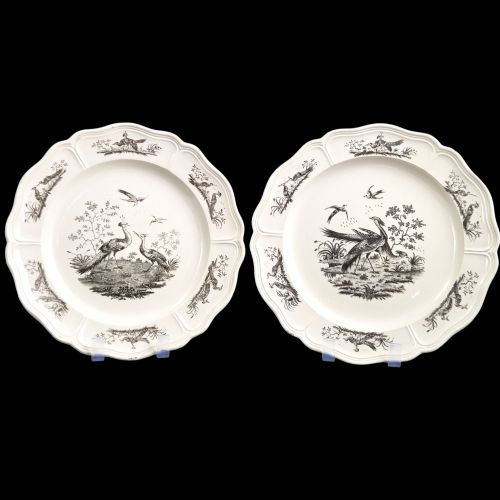
- A refined earthenware developed in England during the eighteenth century, characterised by its pale yellow or cream-coloured lead glaze. Leeds Pottery and Wedgwood produced notable examples of this lightweight ware.
- Delftware
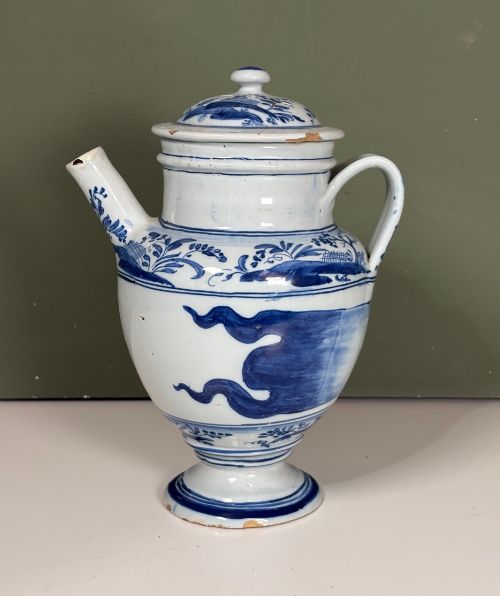
- A tin-glazed earthenware made in England and the Netherlands, typically decorated in blue and white with motifs inspired by Chinese porcelain. Workshops in places like Lambeth and Delft turned out these porous vessels.
- Salt glaze
- A ceramic finish created by throwing common salt into the kiln during high-temperature firing, producing a pitted, orange-peel texture on stoneware jugs and bottles. German stoneware makers utilised this technique extensively.
- Tin glaze
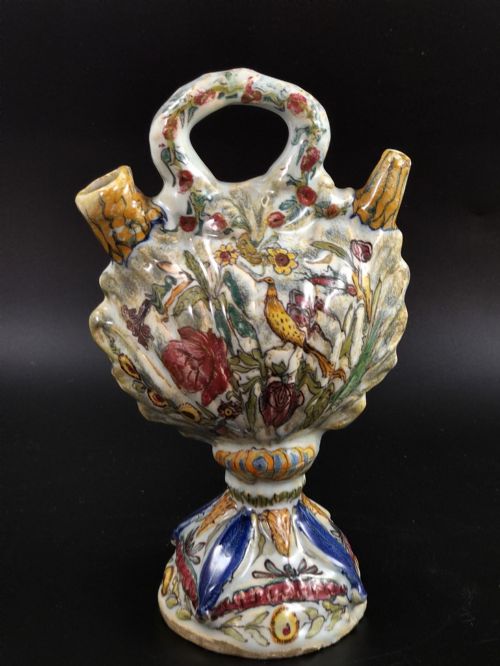
- An opaque white glaze made by adding tin oxide to lead glaze, providing a smooth surface for hand-painted cobalt designs on earthenware. Spanish, French, and Dutch potters employed this method on chargers and apothecary jars.
- Prattware
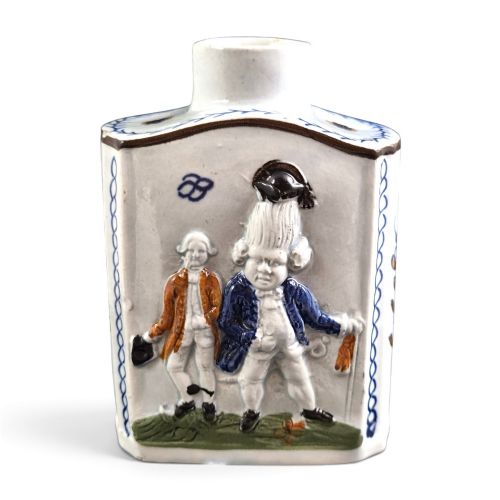
- A type of English earthenware featuring moulded relief decoration painted in bright underglaze colours such as ochre, blue, and brown. These Staffordshire and Scottish pieces often took the form of tea canisters and jugs.
18th C Pottery: Frequently Asked Questions
What is 18th c pottery?
This category encompasses ceramic items produced globally during the seventeen-hundreds, ranging from utilitarian European earthenware to fine Asian porcelain. It includes functional kitchenwares, pharmacy jars, and display pieces created for daily domestic use.
These objects reflect the evolving techniques of potters working across England, continental Europe, and China. Each piece demonstrates the specific regional materials and decorative styles popular at the time.
How do I identify delftware?
Delftware typically shows a chalky, white tin-glaze coating over a buff or pinkish earthenware body. Close inspection often reveals minor glaze flakes around the rims where the soft clay is exposed.
Most examples display hand-painted blue designs influenced by Chinese export porcelain. The brushwork tends to show fluid strokes rather than mechanical precision.
Where were salt-glazed jugs made?
Salt-glazed stoneware vessels were produced primarily in Germany, particularly in regions like Westerwald, and exported widely across Europe. English potteries later adopted similar high-firing methods for utility bottles and tavern jugs.
The distinctive pitted surface results from salt introduced directly into the kiln fires. This chemical reaction created a durable, waterproof shell suited for storing wine, oil, and beer.
How should I clean my pottery?
Most antique ceramics require gentle cleaning with lukewarm water and a soft cloth to protect aged glazes. Harsh chemical detergents and soaking can penetrate hairline cracks in porous earthenware.
Tin-glazed and creamware pieces are particularly sensitive to moisture entering historical chips. Careful hand drying preserves the stability of the clay body.