


18ct White Gold Band
An 18ct white gold band offers a crisp, silvery metal setting that allows diamonds and coloured stones to dominate the finger.
18ct White Gold Band
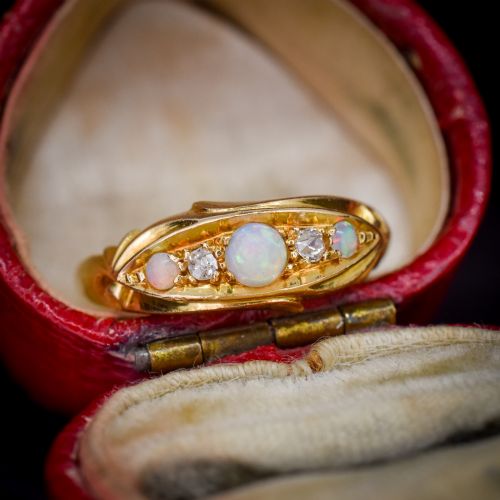
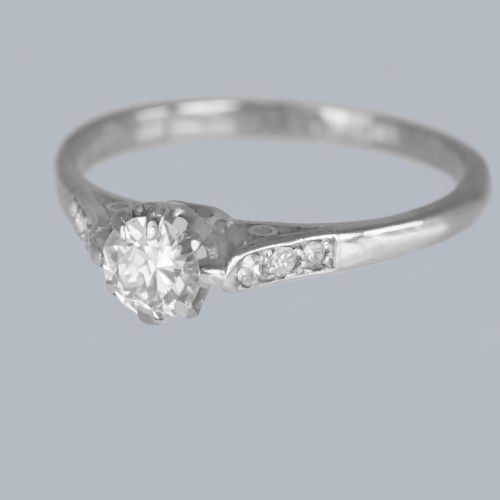
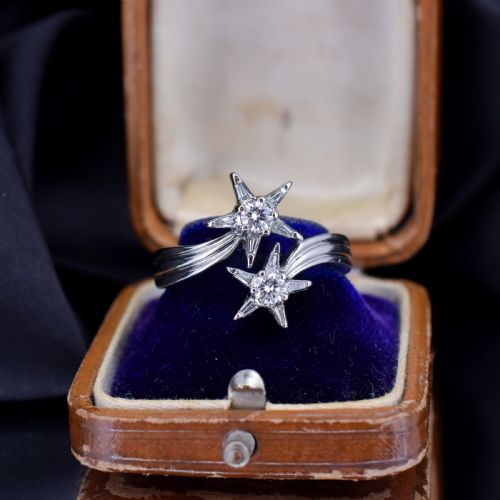
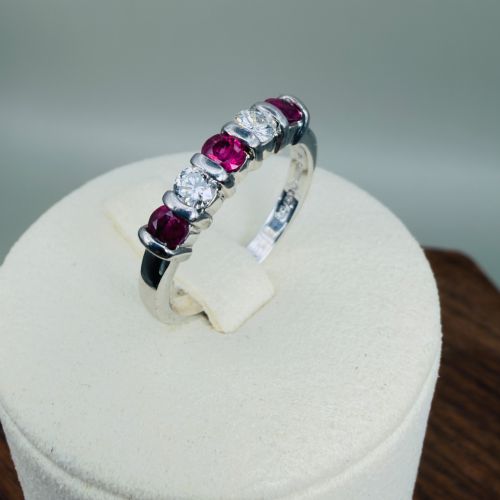
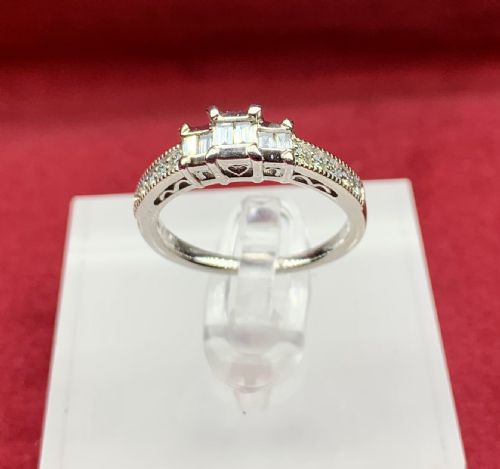
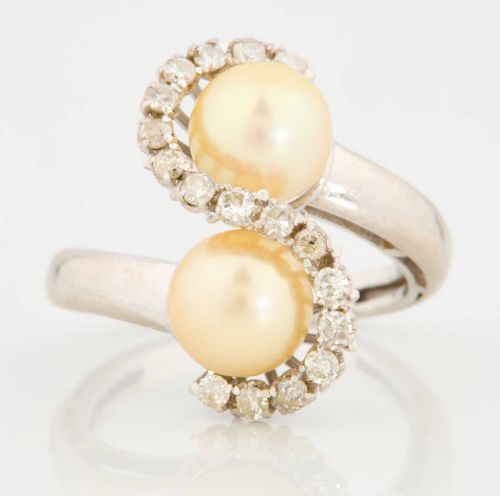
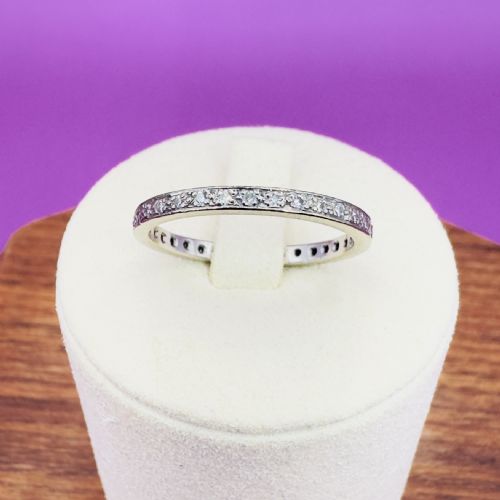
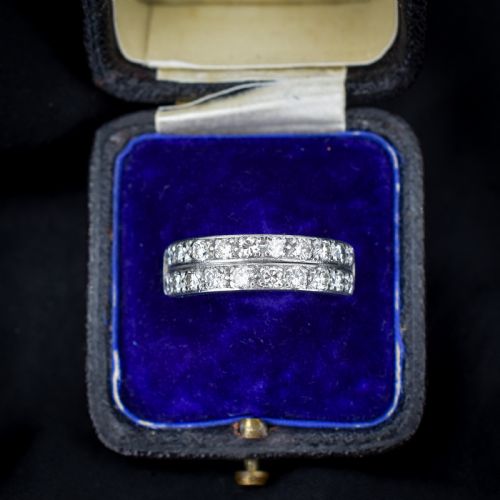
When you search for an 18ct white gold band, you encounter rings designed for engagements, weddings, and anniversaries spanning the early twentieth century through to the later decades of the 1900s. The selection includes full and half eternity rings, solitaire mountings, and cluster designs, alongside rarer forms such as line bracelets.
Art Deco examples from the 1920s and 1930s bring geometric lines and intricate stone settings, while pieces from the 1950s and 1960s tend toward clean mid-century profiles and substantial diamond groupings.
How they were made
The foundation metal is 18-carat white gold, often paired with platinum or yellow gold accents in specific periods like the Art Deco era to highlight structural tiers and shoulders.
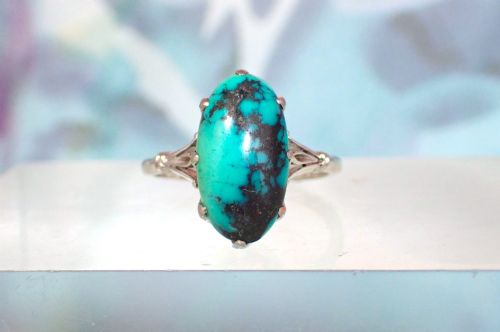
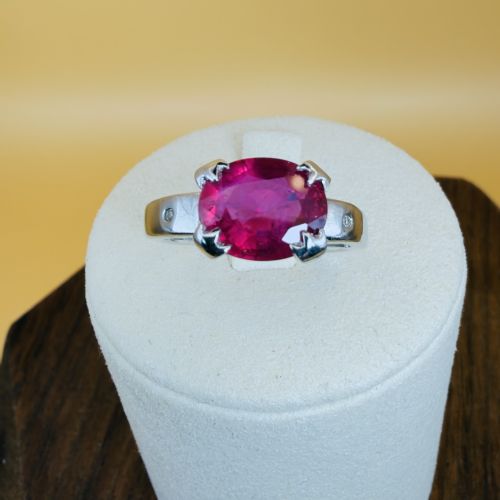
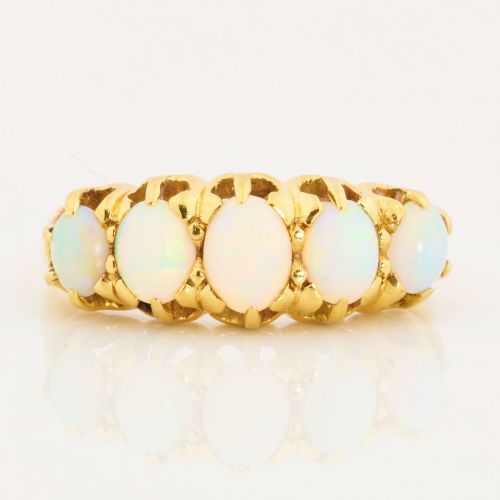
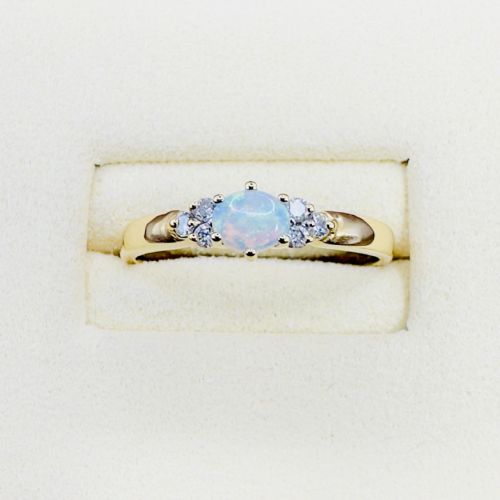
Gems such as diamonds, rubies, emeralds, opals, and turquoise are secured using claw, channel, or flush settings, depending on whether the design prioritises continuous sparkle in an eternity band or the focal point of a solitaire or cluster.
East-west opal settings let the fire of the stone stretch horizontally across the finger like a sunset.
What varies in quality
The calibre of an 18ct white gold band rests largely on the precision of the stone setting and the integrity of the metal work over time, particularly along the delicate edges of eternity channels and claw tips.
Pieces from skilled workshops display balanced proportions, secure stone matching in multi-stone layouts, and metal that retains its crisp definition and polish through decades of wear.
The 18ct White Gold Band Glossary
- Eternity ring
- A band set continuously with gemstones symbolising unending affection. These appear in full and half-set variations across the 1930s and 1950s.
- Solitaire
- A ring featuring a single central gemstone, most commonly a diamond. This form emphasises the purity of the stone and the clean line of the shoulder.
- Old cut
- A diamond cutting style prevalent in antique and Edwardian pieces characterised by a smaller table, higher crown, and deep pavilion that captures candlelight.
- Cluster ring
- A design grouping multiple smaller stones around a central gem or arranging them symmetrically to create visual impact. These often incorporate emeralds, rubies, or opals alongside diamonds.
18ct White Gold Band: Frequently Asked Questions
How do I care for white gold?
White gold bands benefit from gentle cleaning with warm soapy water and a soft brush to remove everyday oils. Avoid harsh chemical dips that can damage softer gems like opal or turquoise.
Many white gold pieces are plated with rhodium to enhance their bright silvery finish. Periodic replating by a jeweller restores this initial brilliance as natural wear occurs over the years.
Can eternity rings be resized?
Full eternity rings featuring continuous stones around the entire band are notoriously difficult or impossible to resize without disrupting the pattern. It is essential to secure the exact finger measurement before acquiring one.
Half eternity rings, which leave the back portion of the metal plain, offer much greater flexibility for a jeweller to adjust the fit up or down by a small margin.
What defines Art Deco style?
Art Deco jewellery from the 1920s and 1930s relies on strong geometric shapes, symmetry, and architectural precision. These bands frequently utilise channel settings and contrasting metal tiers.
This aesthetic moved away from the flowing floral motifs of the Edwardian era, favouring clean lines that showcased the brilliance of diamonds and the deep hues of rubies or emeralds.
Are these bands suitable for daily wear?
Eighteen-carat gold provides a durable alloy well-suited for everyday use, combining pure gold with strengthening metals. However, the choice of secondary gems dictates how cautious you must be.
Diamonds and rubies handle daily friction easily, whereas softer stones like opals and pearls require greater care to avoid scratching or impact damage during active tasks.