

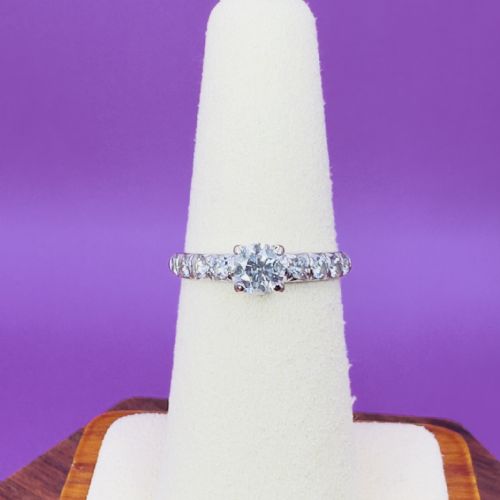


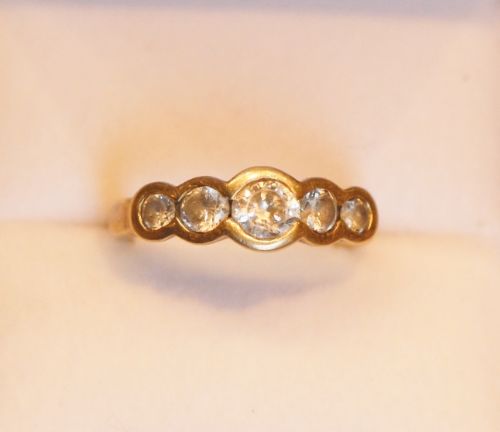
Fine Diamond Eternity Ring
A fine diamond eternity ring carries an unbroken circle of stones to mark a lasting commitment or milestone.
Fine Diamond Eternity Ring
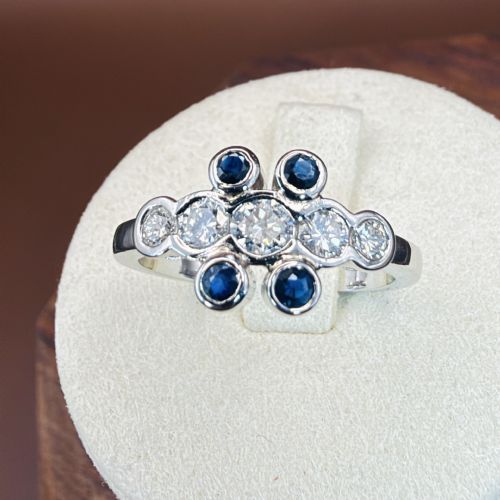
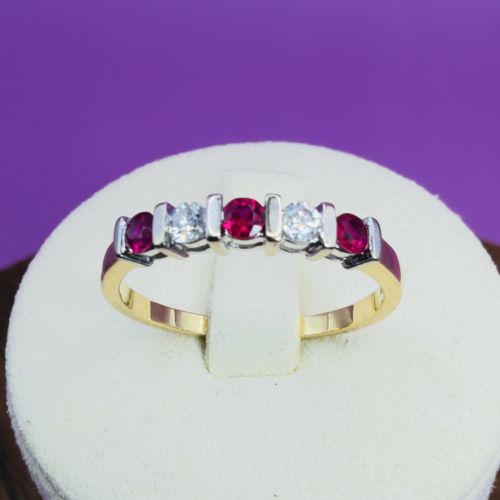
When you search for a fine diamond eternity ring, you encounter continuous bands set with diamonds or interspersed with coloured gems such as sapphire, ruby, and emerald. These rings span from the Edwardian period and 1930s Art Deco styles through to 1960 pieces and contemporary designs.
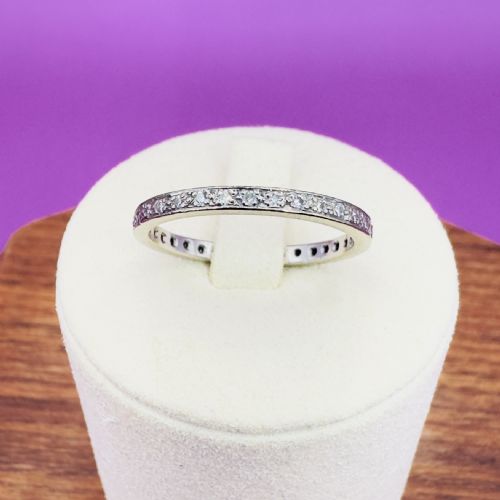
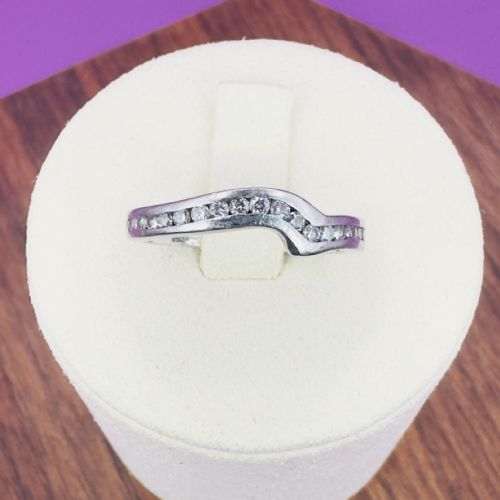
The versions most commonly met on this page include full eternity bands and half eternity rings, alongside variations like wishbone shapes, five stone configurations, and cluster arrangements. Metals range from platinum and 18ct white gold to 18ct gold, 14ct gold, and 9ct white gold.
How they were made
These rings utilise precious metals including platinum, 18ct white gold, 18ct gold, 14ct gold, and 9ct white gold as the structural foundation for setting stones. Jewellers work these metals into bands designed to hold multiple gems securely.
Diamonds appear alongside sapphires, rubies, and emeralds, shaped in cuts such as old cut, oval, and princess cut. The stones are integrated into full eternity circles, half eternity rows, and multi-stone cluster formations.
A wishbone ring brings a slight architectural twist to the finger, proving geometry has a softer side.
What varies in quality
The standard of a fine diamond eternity ring depends on the precision of the metalwork and the uniformity of the stones. Finer examples display meticulous setting techniques that secure each diamond and coloured gem evenly within the band.
Material choice and period characteristics also influence the piece, with heavier platinum and substantial gold weights providing a distinct feel compared to lighter gold compositions. The selection of stones, from old cut diamonds to calibrated sapphires and emeralds, shapes the overall character.
The Fine Diamond Eternity Ring Glossary
- Full eternity ring
- A band featuring a continuous, unbroken circle of gemstones set all the way around the finger.
- Half eternity ring
- A band where the gemstones cover only the top half of the ring, leaving the lower shank in plain metal for comfort and sizing adjustments.
- Wishbone ring
- A ring fashioned with a chevron or V-shape curve, frequently worn alongside an engagement ring.
- Old cut diamond
- A diamond cut with facets characteristic of earlier periods, typically displaying a smaller table and a higher crown.
- Princess cut
- A square or rectangular gemstone cut with numerous facets designed to maximise brilliance.
Fine Diamond Eternity Ring: Frequently Asked Questions
Can eternity rings be resized?
Full eternity rings are exceptionally difficult to resize because the unbroken circle of stones restricts any alteration to the metal band. Half eternity rings offer more flexibility, as the plain metal section at the back can often be adjusted by a skilled jeweller.
Buyers purchasing a full eternity ring must ensure the exact finger size is correct from the outset to avoid fit issues.
How do I wear an eternity ring?
An eternity ring is traditionally worn on the ring finger of the left hand, positioned above the wedding band and engagement ring to sit closest to the base of the finger.
Many wearers choose to combine a half eternity or wishbone ring directly alongside an engagement ring, letting the shapes complement each other.
What is the difference between full and half eternity?
A full eternity ring carries stones entirely around the circumference of the band, symbolising an unbroken loop. A half eternity ring limits the stones to the upper visible face of the ring.
Half eternity versions offer everyday comfort on the palm side of the hand and generally allow for easier future resizing.
How do I date an antique ring?
Dating relies on stylistic clues, such as the geometric lines of Art Deco pieces from the 1930s or the softer proportions of Edwardian and Victorian designs. Metal choices, such as platinum use in earlier decades versus 9ct and 14ct gold variations, also provide clues.
Hallmarks stamped inside the band often supply official assay office markers and date letters to confirm the year of manufacture.